Trump Threatens to Destroy Iran's Power Grid to Force a Deal
Trump ordered Netanyahu to hold back from retaliating against Iran while simultaneously threatening to destroy Iran's gas fields, escalating tensions and sending oil prices surging above $97 per barrel.
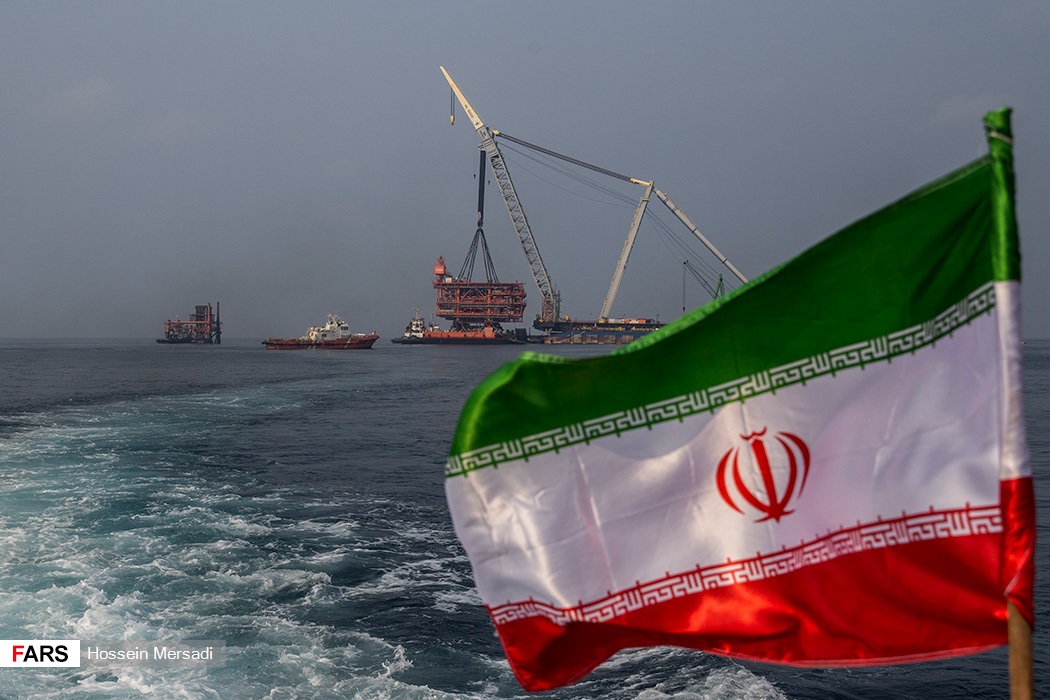
President Donald Trump ordered Israeli Prime Minister Benjamin Netanyahu to stand down from retaliating against Iran's missile barrage, telling him "You're f---ing crazy. You'd be in prison if it weren't for me." At the same time, Trump threatened to "massively blow up" Iran's South Pars gas field — a strike that would plunge 90 million Iranians into darkness.
The June 7–8 flare-up showcases Trump's approach to international bargaining: weaponizing civilian infrastructure as leverage while treating an allied leader as a subordinate to be commanded rather than a partner to be consulted.
Trump's dual threats expose an approach to diplomacy that prioritizes unilateral power projection over traditional alliance management. On one side, he threatens catastrophic damage to Iran's power grid. On the other, he demands Netanyahu's compliance through personal insults and reminders of political dependence. The framework treats sovereign nations as subjects to be dominated rather than negotiated with, revealing an authoritarian impulse beneath the "America First" brand.
Iran fired approximately 30 ballistic missiles at Israeli air bases on June 7, marking the first direct Iranian strikes on Israeli soil since an April ceasefire. Israeli air defenses intercepted all incoming missiles, causing no casualties but igniting brush fires from falling debris.
Trump immediately demanded restraint from both sides. He posted on Truth Social that "Israel and Iran must immediately stop 'shooting'" and called for an "immediate CEASEFIRE."
"I call the shots. I call all the shots. He doesn't call the shots," Trump told the Financial Times about Netanyahu. On Fox News, his message was equally blunt: "You've shot your missiles, that's enough. Get back to the table and make a deal."
Despite Trump's warning, Israel launched retaliatory strikes on Iran's Mahshahr petrochemical complex hours later. Israeli forces hit the Karun plant twice, causing structural damage to part of the facility. The broader Bandar Imam Petrochemical Complex in the area produces 72 million tons of petrochemical products annually, according to Iranian officials.
The coercive backbone of this strategy dates to March 19, when Trump threatened to "massively blow up the entirety of the South Pars Gas Field at an amount and strength and power that Iran has never seen or witnessed before" if Tehran continued targeting Gulf energy infrastructure.
South Pars supplies 80 percent of Iran's natural gas, which generates 86 percent of the country's electricity. Destroying it would devastate Iran's energy infrastructure, halting hospitals, water treatment, and transportation for 90 million people. Natural gas accounts for 69 percent of Iran's overall energy mix.
"Hopefully Israel is not going to retaliate," Trump told Axios. "If Bibi strikes them back it's just gonna keep going like the last 47 years, or the last 3,000 years. Each of them had their fun. Israel had its strike and Iran had its strike. We don't need another one."
A senior U.S. official confirmed Trump "got Bibi to hold off for the time being" after their heated call.
The energy market stakes are enormous. Iran's March retaliation for Israel's initial South Pars strike targeted Qatar's Ras Laffan LNG complex, Saudi Arabia's Samref refinery, the UAE's Habshan gas facility, and Kuwaiti refineries. Wood Mackenzie stated those attacks "fundamentally alters the global gas market outlook," with Qatar's production halt removing approximately 19 percent of global LNG supply.
"Market expectations had been for a short disruption, with a controlled restart restoring supply to pre-conflict levels by mid-2026," said Kristy Kramer, Wood Mackenzie's head of LNG strategy. "That outlook now appears increasingly unlikely."
Each additional month of disruption removes around 1.5 percent from annual global LNG availability, according to research director Daniel Toleman.
Iran's parliament speaker Mohammad Baqer Qalibaf said on June 8 that U.S. bases in the region are "legitimate targets" if Israel retaliates. Tehran also demands $24 billion in released frozen assets as part of any deal.
Trump insists an agreement is imminent. He told Fox News, "I would say an agreement would be signed on Monday, Tuesday or Wednesday of this coming week."
On NBC's Meet the Press, Trump stated that if a deal is reached, "we'll all go together" to remove Iran's nuclear material. "If we don't make a deal, then we're going to take them out militarily very harshly." He described Iran's new Supreme Leader Mojtaba Khamenei as "more rational" than his late father but "pretty badly injured."
The coercive framework has proven counterproductive, escalating rather than containing conflict. Israel's March strike on South Pars triggered Iran's attacks on Gulf energy facilities, which prompted Trump's threat to destroy the same field completely.
Oil prices jumped more than $4 per barrel following Israel's June 8 Mahshahr strike. Brent crude rose to around $97 — roughly a 35 percent increase since the war began in February.
Trump campaigned on ending endless wars. His current approach combines the threat of mass civilian suffering with authoritarian demands for total compliance from an allied leader. The June 7–8 flare-up is not a breakdown of diplomacy but its operating method: coercion as statecraft, backed by threats of catastrophic destruction on one side and political annihilation on the other.
For 90 million Iranians who could soon find their hospitals without power, their water untreated, their homes dark — the deal Trump promises remains just another threat hanging in the smoke-filled air.