U.S.-Iran Peace Deal Nears Final Signing as Hormuz Reopening Looms
After months of military pressure and an economic blockade that bled Iran of billions, negotiators signal a peace deal could be electronically signed within 24 hours, setting the stage for Hormuz reopening.
U.S. and Iranian negotiators appear to be reaching the endgame of months of war and economic pressure, with Pakistan's prime minister saying the final text is agreed and an electronic signing could happen within 24 hours.
The deal would reopen the Strait of Hormuz, lift the U.S. naval blockade, and begin the process of Iranian nuclear disarmament.
The strategic calculus is clear: the U.S. blockade has bled Iran of roughly $6 billion in oil revenues and forced crude exports down 84 percent, pushing Tehran toward the negotiating table even as it continues to hedge publicly.
Pakistani Prime Minister Shehbaz Sharif announced Saturday the final agreed text has been reached.
"We are closer to a peace deal than ever before," Sharif posted on X. "With finalization likely expected in the next 24 hours, Pakistan is preparing for the electronic signing of the peace deal immediately after, followed by technical level talks next week."
President Donald Trump confirmed the timeline on Truth Social.
"The Deal is scheduled to get signed tomorrow, and immediately after it is signed, the Hormuz Strait is OPEN TO ALL," he wrote.
A senior White House official told the New York Post there was a 75-80 percent chance the memorandum of understanding would be inked in the next few days.
The emerging peace package represents the culmination of months of military pressure that began when U.S. and Israeli forces launched Operation Epic Fury on Feb. 28, killing Supreme Leader Ali Khamenei and decapitating top Iranian leadership.
Iran responded by closing the Strait of Hormuz on Mar. 4, triggering a global energy crisis that sent Brent crude past $120 per barrel.
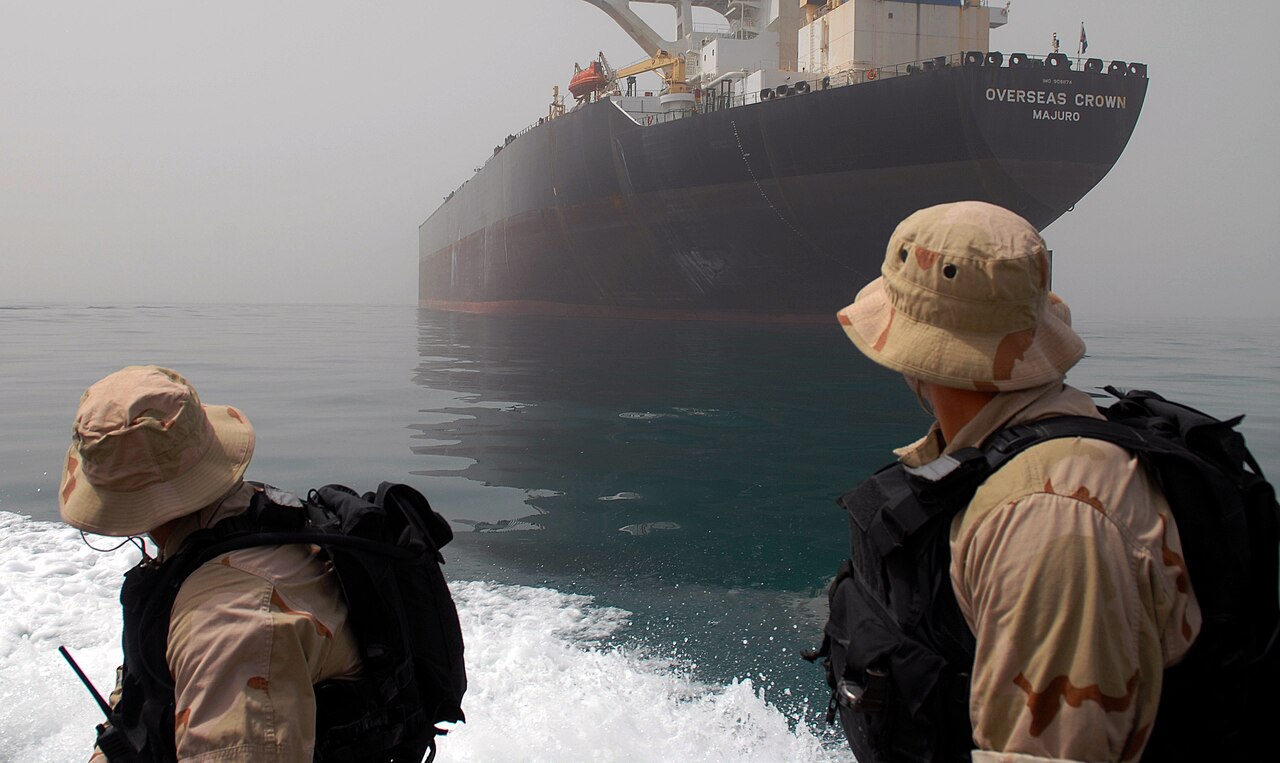
The U.S. imposed a naval blockade on Iranian ports on Apr. 13 that has crippled Iran's economy.
The stakes are immediate for global energy markets.
The Strait of Hormuz carries 20 percent of the world's crude oil and 20 percent of LNG exports. U.S. gasoline prices stood at $4.15 per gallon on Jun. 10, up 39 percent since the conflict began.
Crude oil traded at approximately $89-94 per barrel on Jun. 10, up roughly $20-25 from prewar levels of approximately $65-70 per barrel.
The blockade has inflicted severe economic damage on Iran's primary revenue source. Kpler data shows Iranian crude exports fell from approximately 2 million barrels per day to below 300,000 bpd in May, an 84 percent drop.
Iran has lost approximately $6 billion in oil revenues from the blockade between Apr. 13 and Jun. 5. Approximately 147 million barrels of Iranian crude are currently held in floating storage, with 67 million stranded inside the Gulf.
CENTCOM has redirected 141 commercial vessels and disabled nine for non-compliance since the blockade began.
"Our service members are doing extraordinary work," CENTCOM Commander Adm. Brad Cooper said. "They have been highly effective by executing the mission with precision and professionalism, allowing zero trade into and out of Iranian ports which has squeezed Iran economically."
The deal structure is deliberately phased, offering immediate economic relief in exchange for verified milestones rather than trust.
The emerging package includes an end to hostilities, reopening Hormuz within 30 days without tolls, lifting the U.S. blockade, Iran surrendering approximately 1,000 pounds of highly enriched uranium, and a 60-day extension of the Apr. 7 ceasefire during which further nuclear negotiations would take place.
"We have structured this in a way where it's not built around trust, it's built around physical milestones, it's built around action, and it's built around verification," a senior administration official said.
The U.S. insists on no tolls for Hormuz transit, while Iran's Foreign Minister Abbas Araghchi indicated "service fees" remain part of ongoing negotiations.
Iran continues to hedge publicly even as mediators signal the text is ready. Foreign Ministry spokesperson Esmaeil Baghaei said in remarks carried by Mers News Agency: "Textually, the text has almost been finalized in its major parts" but denied Sunday as a signing date.
"We will have to wait and see about the exact date of the signing of the memorandum of understanding, although it will not be tomorrow," Baghaei told Mers News Agency.
Hardline protesters in Tehran questioned whether Mojtaba Khamenei, the new Supreme Leader who has not been seen in public since taking office and was reportedly wounded in Operation Epic Fury, has endorsed the deal.
The Islamic Revolutionary Guard Corps remains steadfastly opposed to giving in to Trump's demands for limits on Iran's nuclear program.
"They have been paying the price for the blockade and the economic strangulation they have been suffering from," said retired Vice Adm. Robert Harward, former CENTCOM deputy commander. "And so I think that's what's driving them now more than ever. They need money. They need money to pay their troops, pay their people."
The military campaign achieved significant damage but fell short of the maximalist goals Trump initially announced at the war's outset, making a negotiated settlement the viable path forward.
CENTCOM claimed more than 66 percent of Iran's missiles, drones, naval production sites and shipyards were hit, with 92 percent of Iran's large naval vessels sunk. B-2 bombers struck buried nuclear facilities.
Yet Iran reportedly still possesses approximately 970 pounds of highly enriched uranium, dispersed at underground locations.
CSIS analysis found the U.S. fired more than 850 Tomahawk missiles and expended more than half of prewar inventory for four of seven critical munitions types. Rebuilding to prewar levels will take one to four years.
"President Trump is the president of peace, but he's also the president of strength," said Rep. John James, R-Mich. "And this is exactly why Tehran is coming to the table to negotiate."
Vice President JD Vance said the deal "has the potential to remake the region and lead to lasting peace."
Qatari mediators flew to Tehran on Jun. 14 to help finalize the deal. Plans for an in-person signing were scrapped due to logistics, switching to electronic or virtual signing.
The G7 summit is scheduled for Jun. 15-17 in Evian, France. Israel's Prime Minister Benjamin Netanyahu is expected to convene his security cabinet Sunday evening.
Senior Israeli officials said the deal terms endanger Israel's security interests.
Netanyahu stated last week, "As long as I am Prime Minister of Israel, Iran will not have nuclear weapons. There is full agreement between me and President Trump on this issue."
The question remains whether the deal survives implementation, or whether Iran's internal opposition and the IRGC's steadfast resistance can derail it.
Iranian Deputy FM Kazem Gharibabadi held a joint meeting with Russian and Chinese ambassadors on Jun. 13, stating strategic partnership with both would continue with full strength.
The final document represents a phased approach that allows the U.S. to achieve its immediate priority of reopening Hormuz, which would benefit global energy markets, while leaving harder nuclear questions for later verification.
The blockade's economic pressure created conditions that forced Tehran to negotiate, but the deal's success will hinge on implementation, not just signature.