Germany's Economy Eats Its Own Capital
Germany's economy has entered uncharted territory as depreciation outpaces investment for the first time in 36 years, triggering industrial collapse and mass job losses.
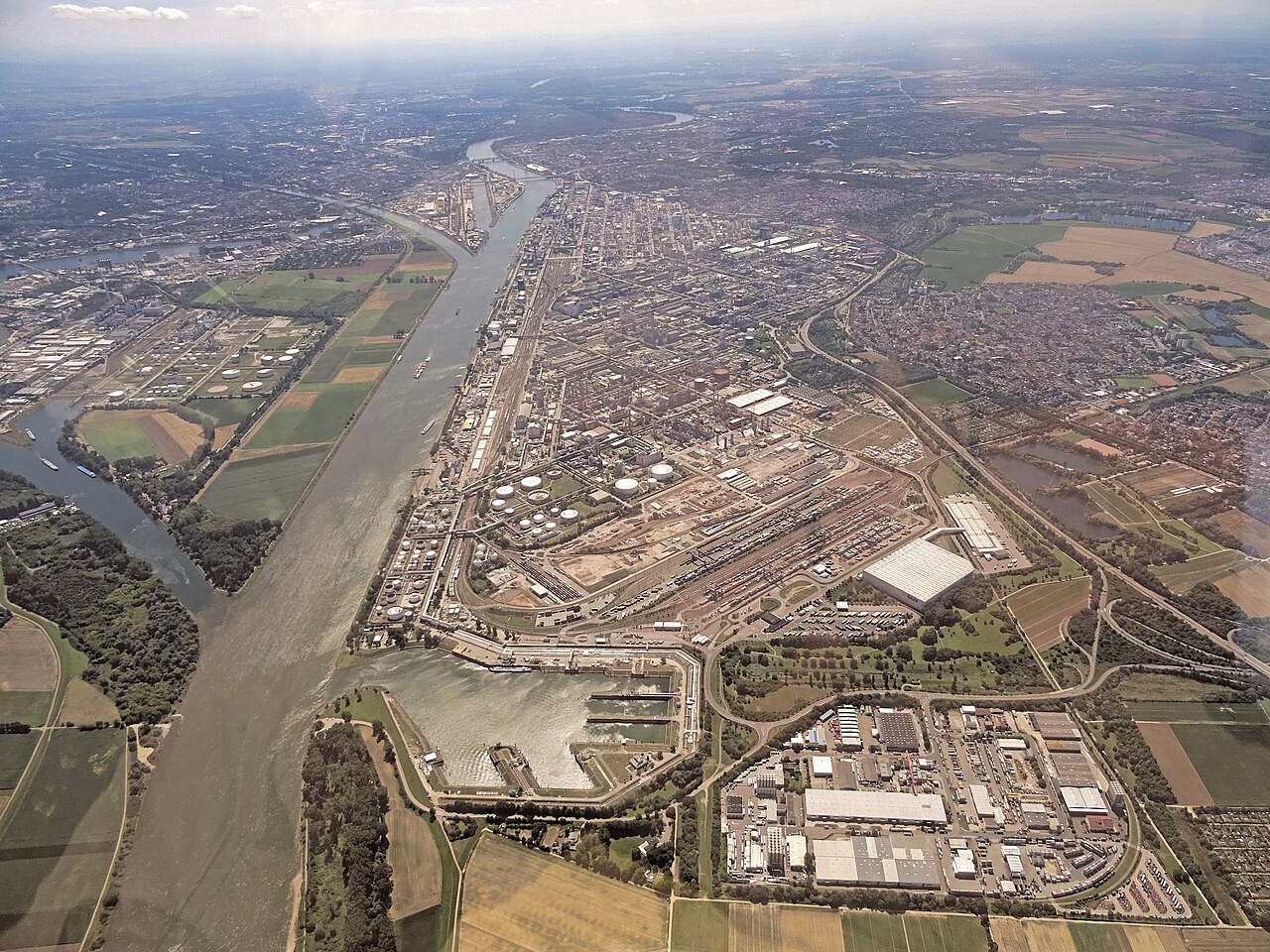
Germany's economy is no longer growing — it is devouring itself. For the first time in 36 years, depreciation outpaces new investment, meaning the country consumes more capital than it creates. Workers feel this hollowing out in every factory closure and every layoff notice.
"The country's investment ratio is negative, as depreciation exceeds nominal investments," economist Thomas Kolbe states. "Slowly but surely, the lights are going out." Wiesbaden statisticians confirmed the collapse, reporting what Kolbe calls "the lowest net capital formation ratio since the chaos year of 1990."
This capital consumption marks a new phase of structural decline. Germany's industrial sector has lost about one-fifth of its production volume since 2018, according to Federal Statistical Office data. Workers who once built the nation's prosperity now face an uncertain future.
Investment is fleeing at an alarming rate. Chemical giant BASF announced a $10 billion shift to China, emblematic of manufacturers betting on foreign locations over their home market. German industry finds itself priced out of its own soil.
Corporate failures now occur every 20 minutes. The Federal Statistical Office counted 24,064 insolvencies in 2025, a 10.3 percent increase from 2024. Credit agency CRIF Germany warns that 10.3 percent of all German firms stand at risk of collapse. Those failures directly affected 285,000 employees last year.
The government's response compounds the crisis. Merz admitted in January the nuclear phaseout was "a huge mistake" with "strategic consequences" for the country. Political leaders now confront the bill for policies once framed as visionary.
Energy policy drives the collapse. Industrial electricity prices reached 100 euros per megawatt-hour in 2025, up from 16 euros before the crisis. The nuclear phaseout removed 800 terawatt-hours of zero-carbon electricity, forcing Germany to rely on imported fossil fuels. Renewables failed to fill the gap.
"This 'market' is nothing but a fantasy of green central planners," Kolbe argues in European Conservative. The Federal Audit Office found in October that €7 billion invested in hydrogen subsidies yielded no meaningful progress toward targets. Taxpayers foot the bill while the economy bleeds.
The human cost escalates daily. The Institute for Employment Research projects 140,000 industrial jobs will vanish in 2026. Families across the industrial heartland brace for another wave of displacement.
The Federal Statistical Office confirmed hospitality turnover fell 5.0 percent year-on-year in January. Germany's economy now runs on wear and tear, consuming its own substance just to stay afloat. A nation built on industry now survives by cannibalizing itself.