Asia Pays Price for Free-Riding on US Military
American military withdrawals from Asia to fight Iran expose vulnerabilities in regional allies who long counted on U.S. protection while avoiding their own defense responsibilities.
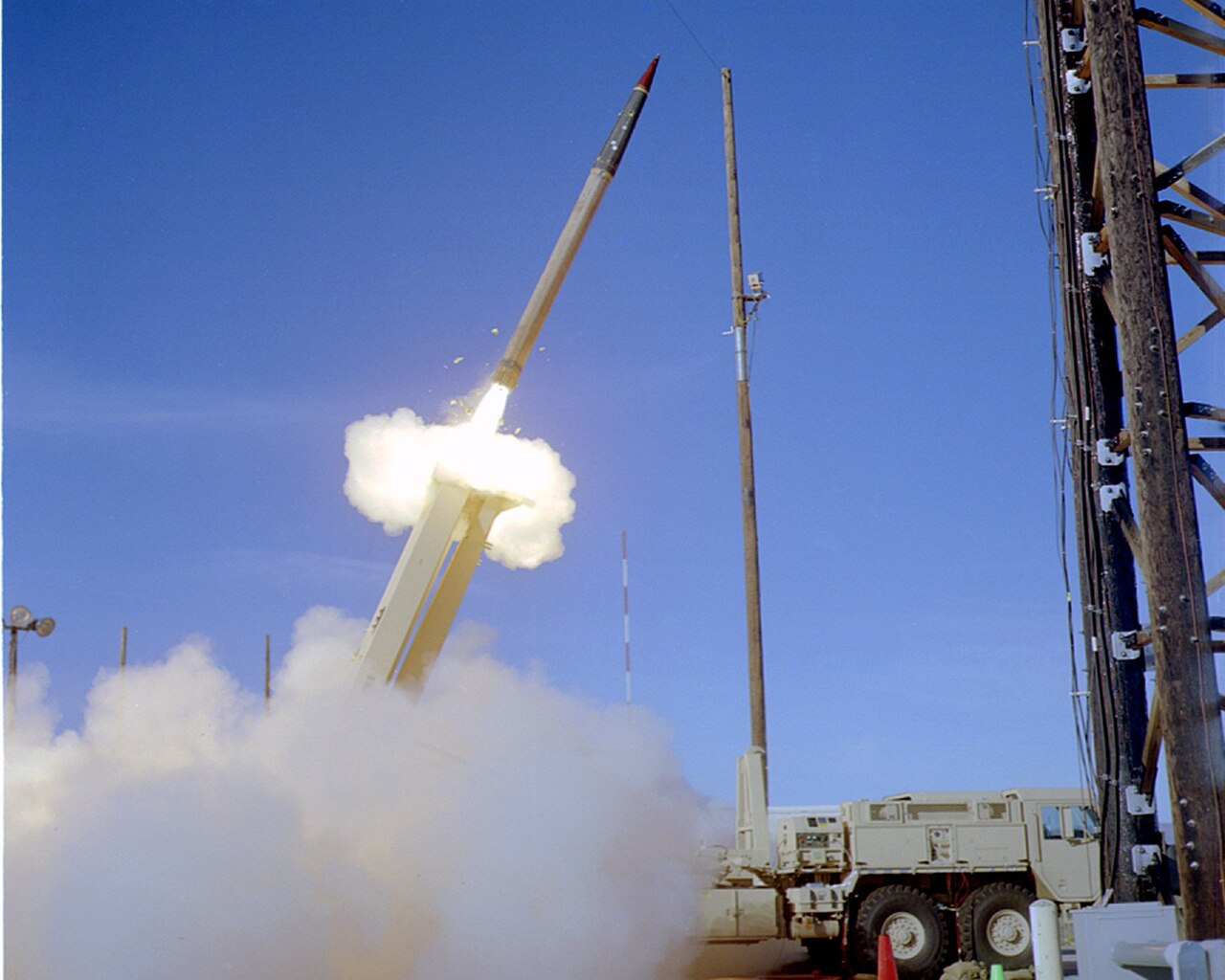
From Okinawa to Manila, American warships are leaving port while missile batteries roll away under cover of darkness. The quiet departure sends a message echoing across the Pacific: the U.S. can no longer guard Asia while fighting Iran. Decades of relying on American deterrence have left Japan, South Korea, Taiwan, and the Philippines suddenly exposed to Chinese and North Korean aggression.
More than 2,200 U.S. Marines from the 31st Marine Expeditionary Unit deployed to the Middle East this month from their Okinawa base. The amphibious assault ship USS Tripoli followed from Sasebo. Parts of the Terminal High Altitude Area Defense system are moving from South Korea to the Middle East, according to multiple military and government sources. Two U.S. guided-missile destroyers based in Yokosuka deployed to the Arabian Sea. Approximately one-third of the U.S. naval surface fleet now operates in Middle Eastern waters.
This is more than routine rotation. Guardian, SCMP, and Diplomat all reported THAAD launchers spotted moving from southern bases in South Korea. The system, once deployed as the centerpiece of the U.S. "pivot to Asia," now heads toward a different theater. "Hard to overstate irony of THAAD, symbol of pivot to Asia, being removed in dead of night for new war in Middle East," said John Delury, senior fellow at Asia Society, to Stars and Stripes.
Iran's blockade of the Strait of Hormuz compounds Asia's vulnerability by threatening energy lifelines. Japan imports 94 percent of its crude oil from the Middle East, with 93 percent transiting Hormuz, according to CSIS. Tokyo released 80 million barrels from strategic reserves this month, equivalent to 45 days of domestic demand. The Philippines declared a national energy emergency with only 45 days of fuel remaining. Brent crude prices reached $104 per barrel, up 40 percent from Feb. 28.
U.S. demands for allied support clash with Asian governments' legal and political constraints. Defense Secretary Pete Hegseth asked Japan to endorse a "maritime task force" to safeguard waters, according to CSIS and Diplomat reports. Chief Cabinet Secretary Minoru Kihara stated the current Hormuz situation does not constitute a "survival-threatening situation" for collective self-defense. Philippine President Ferdinand Marcos Jr declared Enhanced Defense Cooperation Agreement sites "will not be used for offensive action," reported Philstar.
The strategic depletion creates a window for Chinese testing. Lyle Goldstein, senior fellow at Brown University's Watson School, told the Korea Times that Iran strikes "highlight possibility that in Taiwan scenario China would likely target U.S. bases throughout Asia-Pacific."
U.S. munitions face unprecedented strain. The Payne Institute estimates that more than 300 Patriot and other interceptors were used by U.S. defense systems in the first 36 hours of the Iran war. Lockheed Martin produces approximately 620 Patriot missiles per year, creating potential replenishment timelines spanning years.
Asian allies now pursue concrete steps toward self-reliance. Japan and the Philippines conducted joint naval exercises this week, with the first Japanese combat troops on Philippine soil since World War II, according to SCMP. Taiwan budgeted NT$44.2 billion, about $1.38 billion, for its unmanned aerial vehicle industry over five years, Premier Cho Jung-tai told Taipei Times.
"Anytime we're pulling air and missile defenses out of theater, that's going to create obvious concerns," Lindsey Ford, former deputy assistant secretary of defense for South and Southeast Asia, told Stars and Stripes. "Asian countries need to ensure own resources and won't necessarily be dependent on U.S."
The quiet departures from Asian ports and bases serve as a sobering audit of allied security arrangements. For decades, regional powers counted on American deterrence as a public good. Now, with THAAD systems rolling away in darkness and carrier groups steaming westward, they face the bill for that complacency.