Spanish Professor Proposes EU Literary Curriculum to Erase National Traditions
A Barcelona professor wants Brussels to replace every EU nation's literary curriculum with a single approved course — and calls nationalism 'the plague of Europe.'
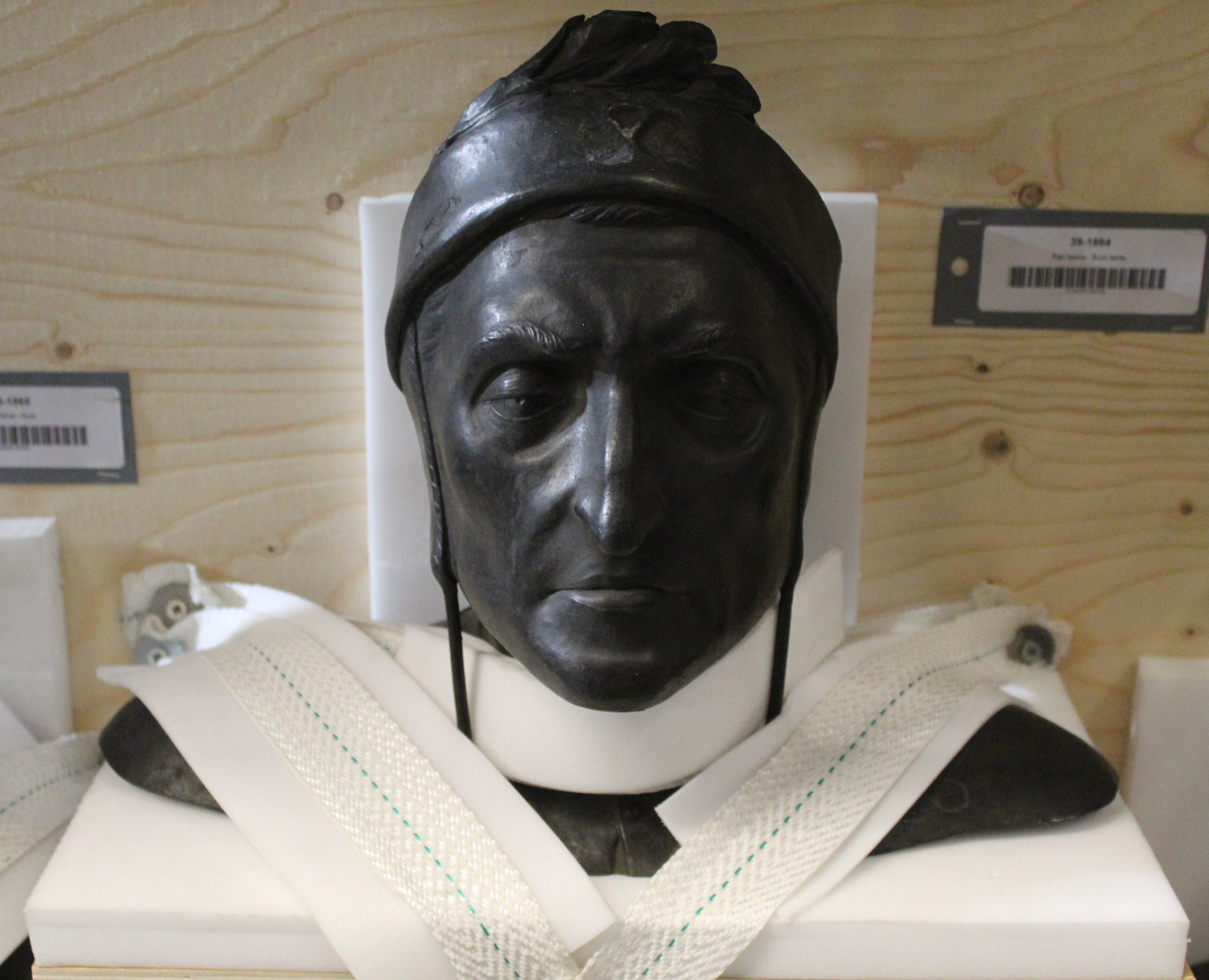
A tenured Barcelona professor wants to strip every European Union member state of its literary curriculum and replace it with a single Brussels-approved "History of European Literature" course — with Dante as its founding figure.
Pinto's 152-page book "Per l'insegnamento unificato della letteratura nella UE" (For the Unified Teaching of Literature in the EU), published Jan. 30 by Edimedia in Florence, argues that national literary traditions represent "obsolete prospettive nazionali" — obsolete national perspectives. The proposal opens with the defensible premise that European movements like the Renaissance and Romanticism crossed borders, but its stated purpose reaches well beyond pedagogy: cultivating a "genuinely Europeanist mentality" in young people.
The University of Barcelona professor of Italian Philology also directs the Catalan Society of Dante Studies. In a related work, "Pensiero e modernità in Dante," Pinto traces Dante's thought from "municipal subject and national maternal language" toward the idea of "a subject that on the political plane is universally human" — invoking Dante's Latin phrase "Nos autem cui mundus est patria," or "But we whose world is our homeland." Pinto argues unified literary teaching would suppress what Spanish critic Andreu Jaume reports him describing as nationalisms: "the plague of Europe, the germ always latent in its destruction."
That language — plague, germ — is not incidental. It signals the ideological ambition beneath the academic framing.
Spanish literary critic Andreu Jaume endorsed the proposal in an opinion piece for The Objective on Feb. 22, calling Pinto "one of the best specialists in Dante in Europe" and praising his goal of constructing a "common imagination." Jaume asserted the unified course would be "the most efficient and persuasive instrument" to build European identity while neutralizing nationalist "pulsations."
The stakes are concrete: education policy remains primarily a national competence under current EU law. Pinto's plan would require Brussels to override centuries of national literary heritage across 27 member states, transferring curriculum control from parents and local institutions to supranational bureaucrats.
This proposal does not come from a fringe think tank. It emerges from an established academic institution — the University of Barcelona — and has received mainstream media endorsement, underscoring that Brussels-aligned cultural centralization is now open institutional ambition. Pinto frames his proposal as necessary for Europe to become a "truly unitary political structure," positioning Dante as the symbolic founder of a pan-European literary identity that supersedes the national traditions students once called their own.
The book's logic lays bare what cultural centralization looks like in the classroom: a single curriculum engineered to produce citizens with no meaningful national identity — only a European one, defined and curated by Brussels. The academic publication, commercial distribution, and favorable mainstream media coverage confirm this is not a thought experiment. It is a blueprint.
When the European Commission speaks of "shared values," this proposal is what the classroom implementation looks like — generations shaped not by the literature of their own people, but by a centrally controlled "European" canon, assembled by supranational institutions and handed down as settled identity.