Young Men Return to Church as Secular Left Loses Ground
Young American men are embracing religion at rates exceeding women for the first time in 25 years, marking a cultural counter-revolution against the progressive secular establishment.
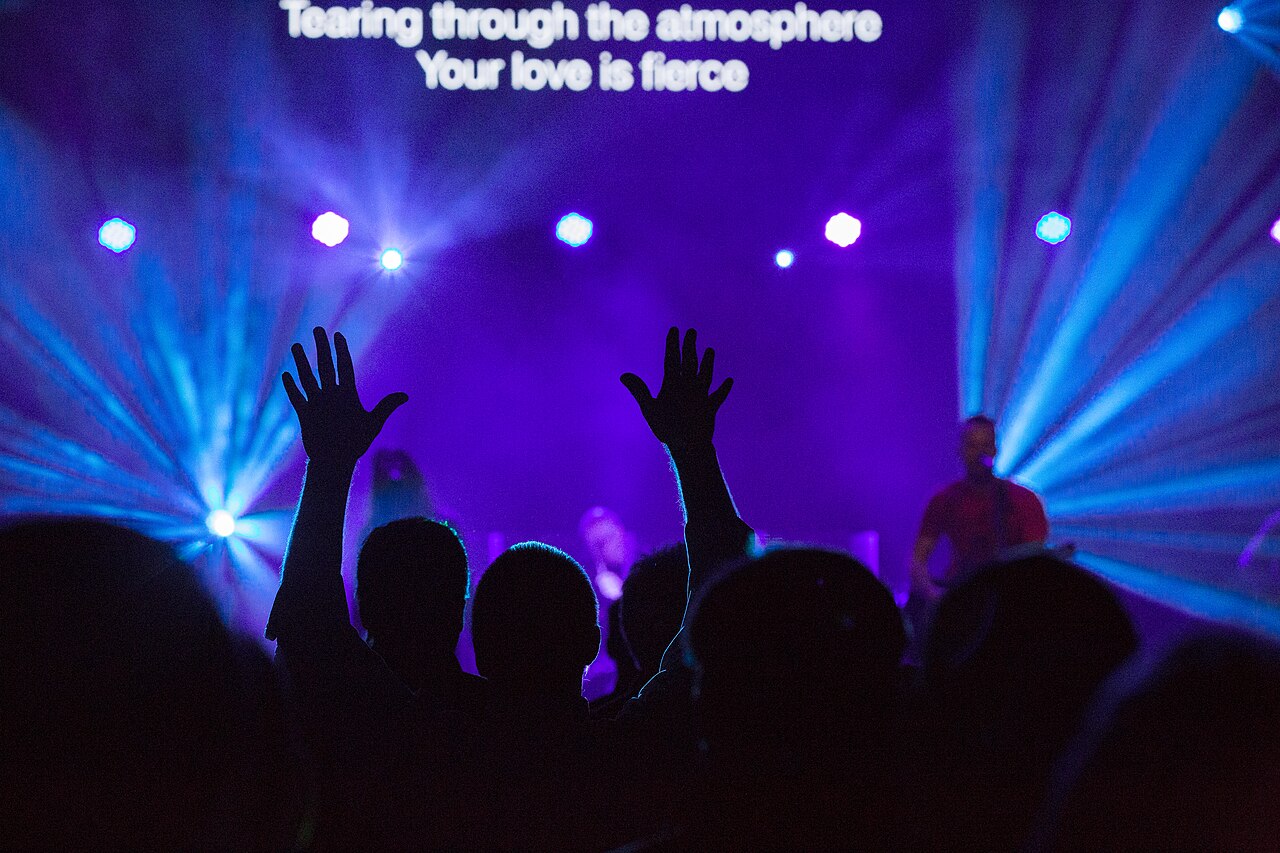
For the first time in 25 years, young American men say religion is "very important" in their lives more than young women do. Forty-two percent of men ages 18 to 29 place this priority, compared to 29 percent of young women, according to Gallup data released this week. The numbers signal a cultural counter-revolution against the progressive secular establishment that dominated universities, media and corporations for decades.
Despite the retraction of disputed UK survey data in March, verified US polling confirms the trend. Gallup's April poll shows young men have surged from 28 percent saying religion is "very important" in 2022-23 to 42 percent today—a 14-point jump that marks a return to the high point of their expressed religiosity of the past 25 years.
The reversal reflects what Ryan Burge, a political scientist at Washington University, called "a seismic change in society and the future of the church." He added that it "could change the way children are raised."
Young conservatives lead the surge after finding in faith what secular institutions denied them. Fifty-two percent of young Republican men attend religious services monthly or more frequently compared to 26 percent of young Democratic men, Gallup data shows. Among women, 60 percent of young Republican women attend monthly versus 25 percent of young Democratic women. This political correlation reveals a broader cultural realignment, not just partisan sorting.
"This reversal is unique to those aged 18 to 29," Gallup researchers noted. "Among adults aged 30 and older, women remain more religious than men."
Gen Z and Millennials now attend church more frequently than older generations for the first time in decades. The typical Gen Z churchgoer attends 1.9 weekends per month, while Millennial churchgoers average 1.8 times, according to Barna Group research from September 2025. Boomers average just 1.4 visits monthly, while Gen X averages 1.6.
For decades, each younger cohort was less Christian than the one before it. Gen Z broke that pattern and halted a 25-year decline. Americans born in the 2000s are now as Christian as those born in the 1990s, according to Pew Research stabilization data.
Social media has become an unlikely engine for this revival. Young men scroll through TikTok and Instagram, where Christian influencers share testimony, scripture and community life that secular platforms once suppressed. The "theo bro" phenomenon—extremely online religious men—has spawned viral content drawing thousands to church services. Fox News reported that Christian media is playing a major role in bringing young people back to faith as religious experts note.
These digital spaces expose Gen Z to ideas their university classrooms rejected. Campus progressive orthodoxy labeled traditional masculinity toxic and dismissed faith as oppressive. Young men now seek what these institutions denied: acceptance, purpose and community.
"It's the only place where you don't have to apologize for being a white man," Burge stated. He was analyzing survey respondents' motivations, not quoting a single person. "American religion is very white male dominated and young men are drawn to institutions that elevate them and give them influence and power."
The progressive left captured universities, media and corporations, then wielded these institutions to enforce ideological conformity. Young people are now rebelling by rejecting the establishment's secular orthodoxy in favor of traditional values and community.
Frank Newport, Gallup senior scientist, noted the significance of the trend reversal. "One of the dominant trends we've observed in recent years has been a decline in religiosity among Americans. Now, in young people, we're seeing that decline beginning to stop. That's pretty significant."
Thirty-eight percent of Gen Z believes a spiritual revival is coming within 12 months, citing mental health crisis, anxiety and search for meaning as catalysts. Barna Group's February 2026 research shows this generation leads all others in revival expectations.
Dr. Ben Carson observed the cultural shift among young people. "One of the encouraging things is you may have noticed that a lot of Gen Zers are starting to go back to church," Carson told Fox News last month. "They are starting to realize that the path we were on can't possibly lead to a good place."
This religious movement has profound civilizational implications. Young people who return to faith get married, have children and raise the next generation in biblical truth. Every convert represents a defeat for the secular left's project of family destruction and cultural decay.
David Kinnaman, CEO of Barna Group, said churches must steward this opportunity well. "The influx of new generations represents a massive opportunity for congregational leaders," Kinnaman said, "but this renewed interest must be stewarded well."
The secular establishment's assumption of religion's inevitable decline has been shattered. Young men seek identity, community and meaning in institutions that affirm rather than apologize for their place in society. The revival stands as rejection of progressive secular orthodoxy, not a temporary reaction to overreach.