Trump Must Dictate Terms to Broken Iran
Eighty-one days into Operation Epic Fury, a delayed strike has emboldened Iran's decimated regime to demand compensation. The administration must wield its military advantage now or risk squandering victory.
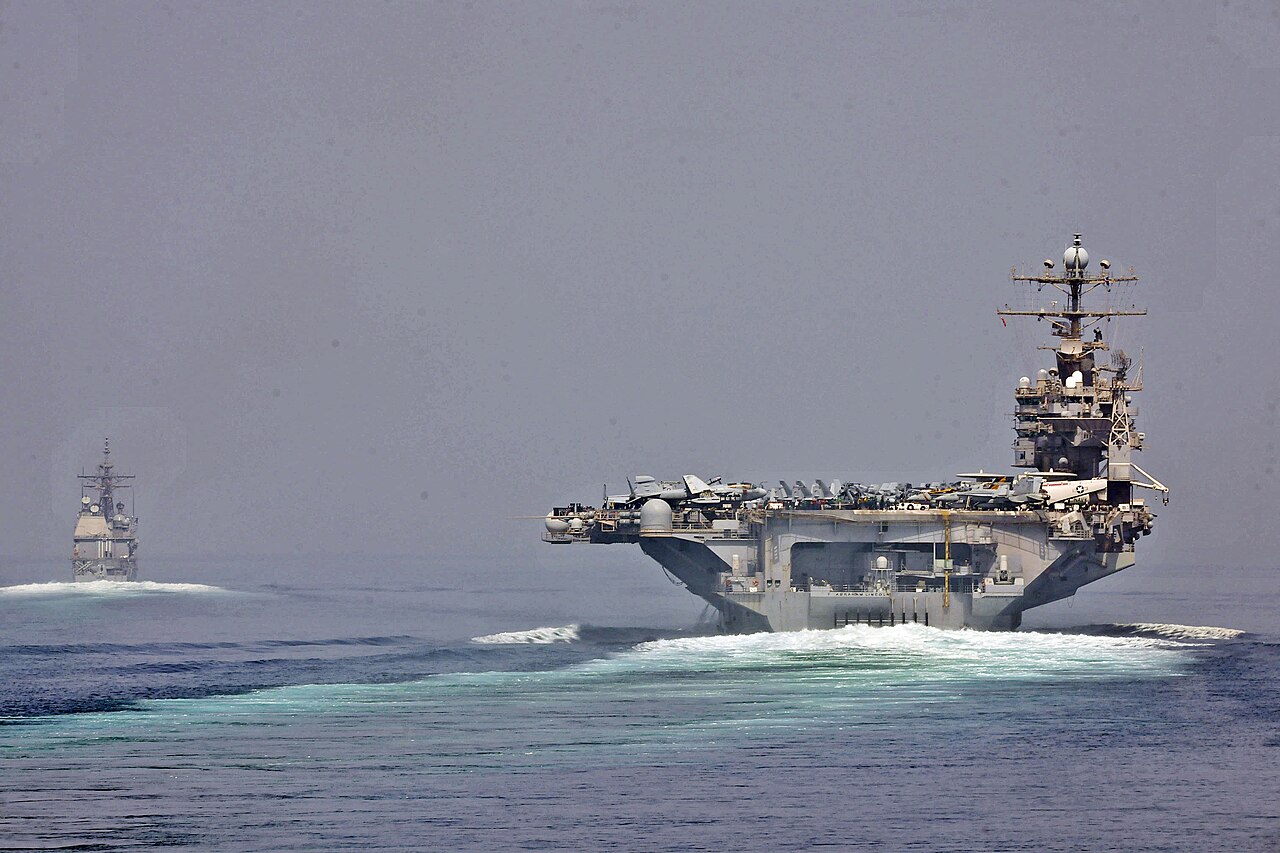
President Donald Trump delayed a planned strike on Iran May 18 after Gulf allies urged diplomacy. The pause has handed Iran's decimated regime a lifeline. Tehran now demands war compensation instead of surrender. Eighty-one days of conflict through Operation Epic Fury have produced what the Trump administration calls a decisive military victory. Iran hails its own triumph as ceasefire tensions persist. The hesitation threatens to squander American momentum.
Qatar, Saudi Arabia and the United Arab Emirates asked for more time. They feared Iranian retaliation against their energy infrastructure. Trump warned the military remains on standby for a "full, large scale assault." The pivot to negotiations with weak parliamentary intermediaries signals dangerous weakness. A defeated nation's leadership respects only overwhelming force. Supreme Leader Ali Khamenei and dozens of senior officials fell during the five-week American operation. Mojtaba Khamenei, Iran's newly appointed Supreme Leader, survived the initial Feb. 28 strike that killed his father. The chaos in the chain of command only strengthens the case for decisive action.
"This is a major problem if Trump's selection of Ghalibaf as the focus of his outreach centers upon Ghalibaf's own willingness to talk rather than any real power in Iran," said Michael Rubin, Washington Examiner contributor and senior fellow at the American Enterprise Institute. Rubin argues the administration is negotiating with a "panhandler" rather than Iran's real power brokers. He describes parliamentary speaker Mohammad-Bagher Ghalibaf as a figurehead without authority in the Islamic Revolutionary Guard Corps-dominated post-Khamenei structure.
The recommended strategy demands Washington bypass weak intermediaries. It should negotiate directly with hardline IRGC commanders, then dictate terms through overwhelming military coercion. "Trump might have demanded each figure beginning with the hardest-line negotiator," Rubin stated. "He should have started with Vahidi rather than Supreme National Security Council Secretary Ali Larijani. If Vahidi said no, then Trump should eliminate him, both removing a hard-line rival to any Iranian willing to deal and telegraphing a lesson about the cost of refusing America."
Iran's audacity underscores the peril of diplomatic compromise. Despite leadership decapitation, Tehran continues to project strength. A 14-point proposal delivered via Pakistani mediators insists on frozen asset returns, war compensation and sovereignty over uranium enrichment. Iranian military advisor Mohsen Rezaei openly mocked the strike delay. He claimed the U.S. will be forced to "retreat and surrender" rather than achieve diplomatic breakthrough.
The Strait of Hormuz remains effectively closed. Global oil prices have climbed to about $107 per barrel. The blockade threatens the world's most critical energy chokepoint. Pressure has crippled Iran's economy, yet the regime continues generating billions through sanctioned workarounds and IRGC smuggling networks. Each day of diplomatic pause allows Tehran to consolidate its economic survival. Gulf allies remain vulnerable to retaliatory drone and missile attacks.
"Ghalibaf's rivals within the Revolutionary Guard seek to undermine him and depict him as treasonous for his dealings," Rubin noted. "If Trump wants to see Ghalibaf succeed, he should eliminate his rivals, targeting Ahmad Vahidi and Saeed Jalili." This approach would force the emergence of a credible partner. It would also demonstrate the catastrophic cost of refusing American demands.
The administration faces a critical strategic choice. It can continue down a diplomatic path that has yielded only Iranian demands for compensation. Or it can leverage unparalleled military dominance to dictate final terms. "The Iranian side projects strength, even when its hand is empty," Rubin argued. "Calling that bluff is important because it will further delegitimize the regime in the eyes of its own people and, more importantly, in the eyes of rank-and-file Guardsmen."
Time represents the one asset Washington cannot afford to give Iran. The War Powers Resolution's 60-day limit has reportedly expired without congressional authorization. The legal window is closing. The administration must now decide whether to pursue fragile negotiations or wield military superiority. It must extract an uncompromising settlement that secures American interests for decades.
Iranian President Masoud Pezeshkian declared "dialogue does not mean surrender." His regime continues to fortify positions despite economic strain. The blockade's pressure has not broken Tehran's will. Only the demonstrated threat of overwhelming force can achieve Washington's objectives. Military options remain on standby. Diplomatic channels are open. The administration's next move will determine whether 81 days of conflict yield lasting victory or a temporary pause before renewed hostilities.
"The U.S. sets a deadline for a military strike and then cancels it itself, with the vain hope of making the Iranian nation and officials surrender," Rezaei declared. His words capture Tehran's perception of American hesitation. The regime interprets delay as weakness. How Washington responds will define the strategic landscape of the Middle East for generations. Trump must dictate terms to a broken Iran before the window of dominance closes forever.