Farage's Election Surge Tops Blair's Historic Gains
Reform UK's projected 2,260 council seat wins exceed Labour's 1995 record as working-class voters deliver crushing verdict against political establishment.
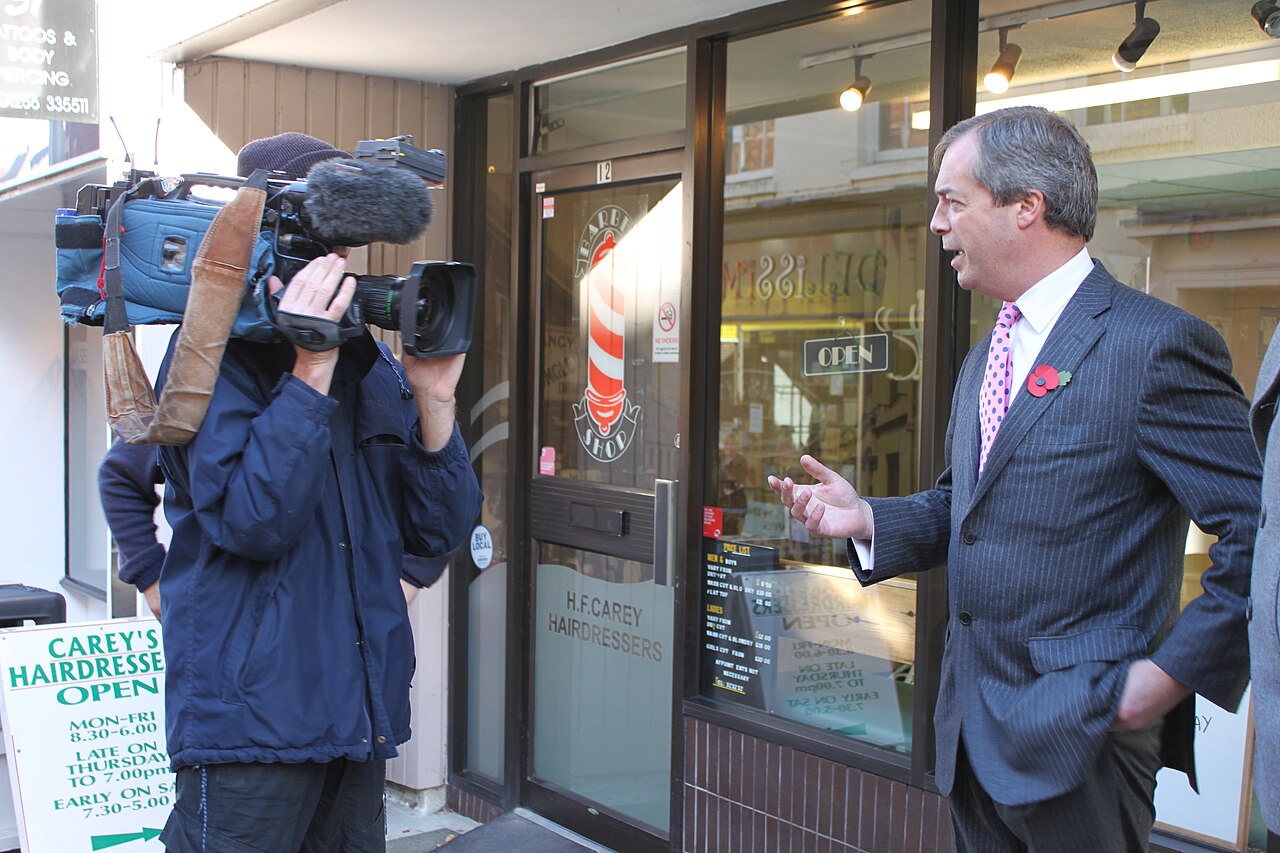
Nigel Farage's Reform UK faces a May 7 local election that could deliver 2,260 council seats — surpassing even Tony Blair's Labour Party historic 1995 gains — as working-class voters across England and Wales cast a crushing verdict against the political establishment.
Psephologist Steve Fisher's seismic forecast would shatter Labour's 31-year-old record of 1,661 gains. His projection model, published in the Financial Times on March 26, draws from verifiable polling trends across multiple independent sources rather than speculation.
"Reform's expected victories will dwarf those of Labour under new leader Tony Blair in 1995," Fisher stated. "During that year's local elections, Labour won 1,661 seats, helping to pave the way for their landslide General Election victory two years later."
Concrete evidence emerged March 27 when Reform claimed the Brumby ward in North Lincolnshire with 52.8 percent of the vote. Labour collapsed more than 30 points to just 27.9 percent in what was once a traditional party heartland. The shift tells a story of communities feeling abandoned.
The demographic realignment runs deep. Public First polling reveals a 16-point swing from Labour to Reform among working-class voters since the 2024 general election. Just 28 percent of "Left Behind" DE-class voters backed Labour in 2024; that figure projects to drop to 12 percent this May, with 28 percent planning to vote Reform UK.
Labour's erosion extends inward to its own ranks. Hartlepool councillor Aaron Roy defected to Reform on March 26, declaring, "For me, politics is not about control, it's about service. It's not about protecting positions, it's about empowering people, and that's why today I'm joining Reform."
Institutional credibility unravels alongside electoral support. The BBC's Question Time account publicly corrected Labour minister Mike Tapp on March 27 after he claimed Farage was "too scared" to appear on the program in his Clacton constituency. The BBC explained its longstanding policy against MPs appearing in their own constituencies.
Established analysts confirm Reform's appeal concentrates among Brexit believers and working-class communities, not suburban elites. Sir John Curtice's analysis of May 2025 results found Reform won 39 percent of the vote in heavily working-class wards but only 19 percent in the most middle-class ones.
Farage framed the upcoming vote as a verdict on the prime minister during his Sunderland campaign launch March 26. "This effectively becomes, even though they're local elections, a referendum on Keir Starmer's premiership," he told supporters.
The realignment shows nationwide dimensions. Labour now trails Reform in Wales and projects to fall to third in the Senedd behind Plaid Cymru and Farage's party, according to a March 25 Daily Mail report citing YouGov polling.
Reform UK won 677 councillors in May 2025 local elections and currently controls 10 councils. The party's surge represents the most significant democratic realignment in Britain in a generation, signaling the irreversible collapse of the two-party system that has dominated British politics since the Second World War.