TSA Shutdown Exposes Broken Security Model
A 41-day DHS shutdown revealed stark contrasts between federal and private airport security. While TSA agents faced pay delays, privatized airports kept travelers moving.
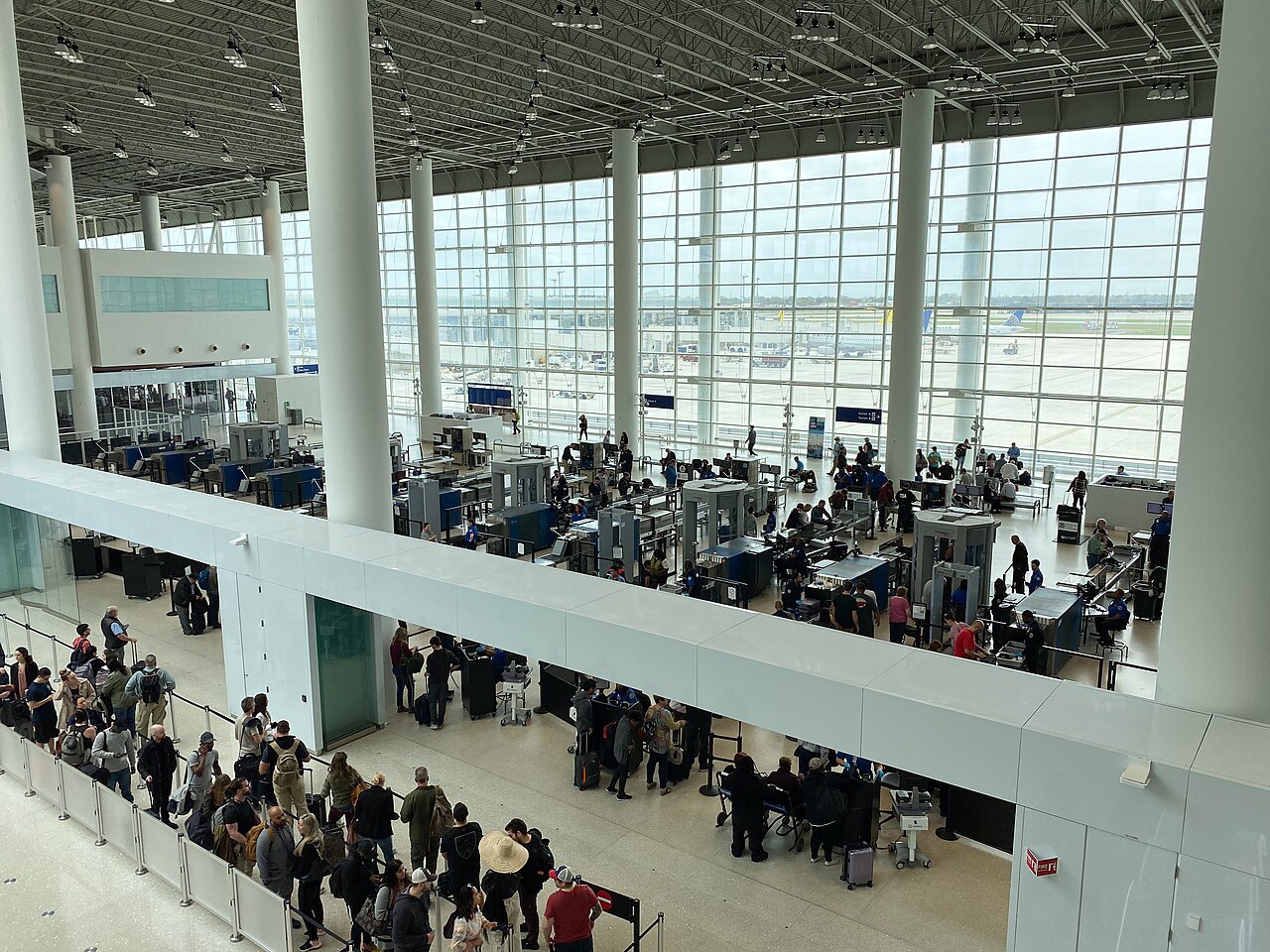
Passengers at San Francisco International Airport cleared security in under 10 minutes. Their screeners worked for the airport, not the federal government. The difference mattered.
The 41-day Department of Homeland Security shutdown created a real-time experiment in airport security. Atlanta travelers faced five-hour lines as 42 percent of screeners called out sick. Houston saw 39 percent absences. Baltimore lost 38 percent of its TSA workforce. Each agent waited for paychecks that never arrived.
Twenty U.S. airports operated normally through the crisis. These facilities participate in the Screening Partnership Program, using private contractors under federal oversight. San Francisco spokesman Doug Yakel said line times averaged less than 10 minutes for 30 consecutive days. "This wasn't really why we signed up for this program more than 20 years ago," Yakel told NPR, "but it's definitely proven to be an advantage."
VMD Corp airports reported less than three minute waits. Nat Carmack of BOS Security at Tupelo Regional Airport said his employees never missed a paycheck. "All operations at the privatized airports are normal because we continue paying our employees during the shutdown," Carmack told CNN. "Our employees have never missed a paycheck during any of the government shutdowns."
The human cost mounted daily. Travelers missed flights, weddings, job interviews and final exams. Mothers asked strangers to hold spots in line while they fetched water for babies. Students cried over missed tests. TSA agents received eviction notices and canceled childcare.
Acting TSA Administrator Ha Nguyen McNeill testified that 1,110 agents quit during the 2025 shutdown. Another 500 resigned since February. "Training new officers takes between four and six months," McNeill warned Congress on February 11. "Airport security will not be fully equipped to handle the glut of summer travel."
The shutdown exposed deeper failures. A 2015 DHS Office of Inspector General report found red teams smuggled weapons or explosives through checkpoints 67 of 70 attempts. The 95 percent failure rate revealed systemic security gaps. TSA spent $83 billion on shoe removal policies that never intercepted a single shoe-bomb attempt, according to Cato Institute estimates.
Private contractors pay $18 to $20 per hour. TSA agents earn $66,067 to $81,935 annually. Yet only private screeners received paychecks throughout the shutdown. "The TSA is generally bad at ensuring safety in transportation," Washington Examiner columnist Tiana Lowe Doescher wrote March 27. "Abysmal at providing taxpayer value, and now downright deplorable at responsibly compensating its 65,000 employees."
House Transportation Committee data shows Screening Partnership Program screening operates 65 percent more efficiently than TSA operations. Heritage Foundation's Project 2025 blueprint calls for aviation screening budget privatization.
"Privatization lets airports hire specialized screening companies with incentives to perform well rather than rely on a rigid federal bureaucracy," CEI stated March 21. "A competitive system would allow airports to select providers based on performance and replace those that fail to meet expectations."
The Senate passed legislation excluding Immigration and Customs Enforcement funding. President Trump announced an executive order to pay TSA agents immediately. But the solution isn't more funding or temporary fixes.
"If Democrats want us to learn our lesson," Doescher wrote, "it will be to deprive them of the opportunity to bring commercial travel to a standstill... we can't trust the government to secure airports, so let us leave it to the private sector at last."
The shutdown proved what critics argued for decades. Federal airport security fails travelers and workers alike. Private screening worked when government failed. The live test concluded with clear results.