Bessent Warns Iran Must Shut Oil Production Within Days as Sanctions Tighten
Treasury Secretary Scott Bessent says Iran's Kharg Island storage faces capacity limits within days, forcing production shutdowns as U.S. sanctions block all crude exports and waivers expire.
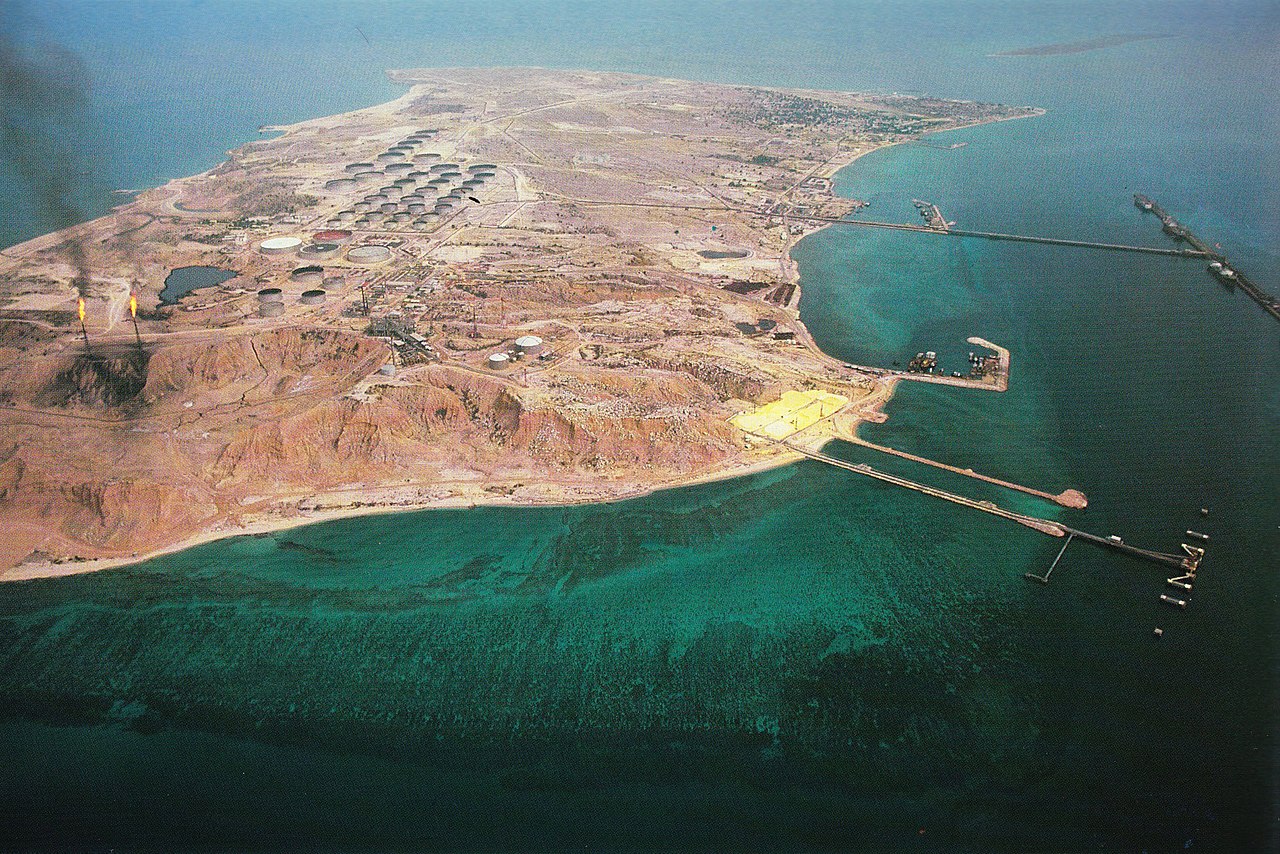
Iran's oil empire faces imminent collapse. Treasury Secretary Scott Bessent told The Associated Press that Tehran must begin shutting production within two to three days as the U.S. blockade fills Kharg Island's storage capacity. The administration will not renew sanctions waivers that previously allowed limited shipments of Iranian and Russian crude.
Bessent's April 24 announcement marks the Treasury Department's final shift from temporary energy market stabilization to maximum economic pressure on both regimes. The reversal confirms the administration's commitment to strangling adversary revenue streams, even as energy prices remain volatile and American consumers pay gasoline prices topping $4 per gallon.
The Treasury secretary framed the crisis bluntly. "We have the blockade, and there's no oil coming out," Bessent told the AP. "And we think in the next two, three days, they're going to have to start shuttering production, which will be very bad for their wells."
This hardline stance represents a sharp reversal from just days earlier. On April 15, Bessent warned at a White House briefing that the U.S. was "willing to apply secondary sanctions" against countries buying Iranian oil. Two days later, the Office of Foreign Assets Control quietly issued General License 134B, extending the Russian oil waiver through May 16.
That contradiction between Bessent's public statement and his department's action exposed bureaucratic failure driven by allied pressure rather than strategic evolution. Senate Democrats Chuck Schumer, Elizabeth Warren and Jeanne Shaheen called the reversal "shameful" and a "180-degree reversal."
Bessent defended the temporary extension during April 22 Senate Appropriations testimony. "More than 10 of the most vulnerable and poorest countries in terms of energy" approached him at IMF/World Bank spring meetings requesting relief, he stated.
The Treasury secretary argued the waivers prevented catastrophic price spikes. "If we had not done that sanctions relief, they might have been at $150 because the world became very well supplied," Bessent told senators. "The American consumer has been better off."
The numbers confirm Iran's deteriorating position. Kharg Island handles approximately 90 percent of Iran's oil exports with 30-34 million barrels of storage capacity. TankerTrackers analysts estimated only 13 million barrels of spare onshore storage remained as of mid-April, with net inflows of 1.0-1.1 million barrels per day suggesting the tanks would fill in 12-13 days.
Iran already reactivated the 30-year-old VLCC M/T Nasha from retirement as floating storage. The desperate measure underscores the regime's infrastructure crisis. Kpler data shows Iran's output has fallen by approximately 750,000 barrels per day from pre-war levels.
The April 24 sanctions package demonstrates the waiver non-renewal is part of a broader financial stranglehold. Treasury sanctioned Hengli Petrochemical (Dalian) Refinery Co., a Chinese "teapot" refinery with approximately 400,000 barrels per day capacity, for receiving Iranian crude since at least 2023.
Forty shipping companies and 19 vessels in Iran's shadow fleet were also sanctioned under Executive Order 13902. Treasury seized approximately $344 million in cryptocurrency tied to Iran's Central Bank the same day.
Senator Chris Coons challenged Bessent during the April 22 hearing, claiming estimates show Iran gained $14 billion from waivers and Russia received an extra $150 million per day. Bessent called the $14 billion figure a "myth" and "a DNC talking point" while refusing to provide counter-estimates with sourced data.
Energy markets reflect the escalating pressure. Oil prices surged above $100 per barrel during the Iran conflict before dropping approximately 9 percent to around $90 per barrel on April 17 after Iran signaled a temporary Strait of Hormuz reopening. U.S. gasoline prices rose from $2.94 per gallon in late February to approximately $4.09 per gallon by April 16, a jump of more than 30 percent.
Bessent's April 25 reiteration to the AP that the U.S. has "no oil coming out" of Iran confirms the blockade is working as intended. The administration's final position rests on the principle that maximum pressure inflicts short-term pain, but rewarding adversaries with sanctions relief inflicts greater long-term damage on U.S. strategic interests.
Behind every sanction and storage statistic sits a regime running out of options. Iran's oil workers face shuttered wells, their families face economic ruin, and the world watches as diplomacy yields to leverage. The question now is whether the pain of maximum pressure proves sustainable—or whether global markets will force a retreat before the wells go silent.