Federal Appeals Court Overturns Trump Border Asylum Ban
A divided D.C. Circuit panel struck down President Trump's emergency border proclamation, overturning asylum restrictions that had driven migrant encounters to historic lows and reigniting a clash between courts and the White House.
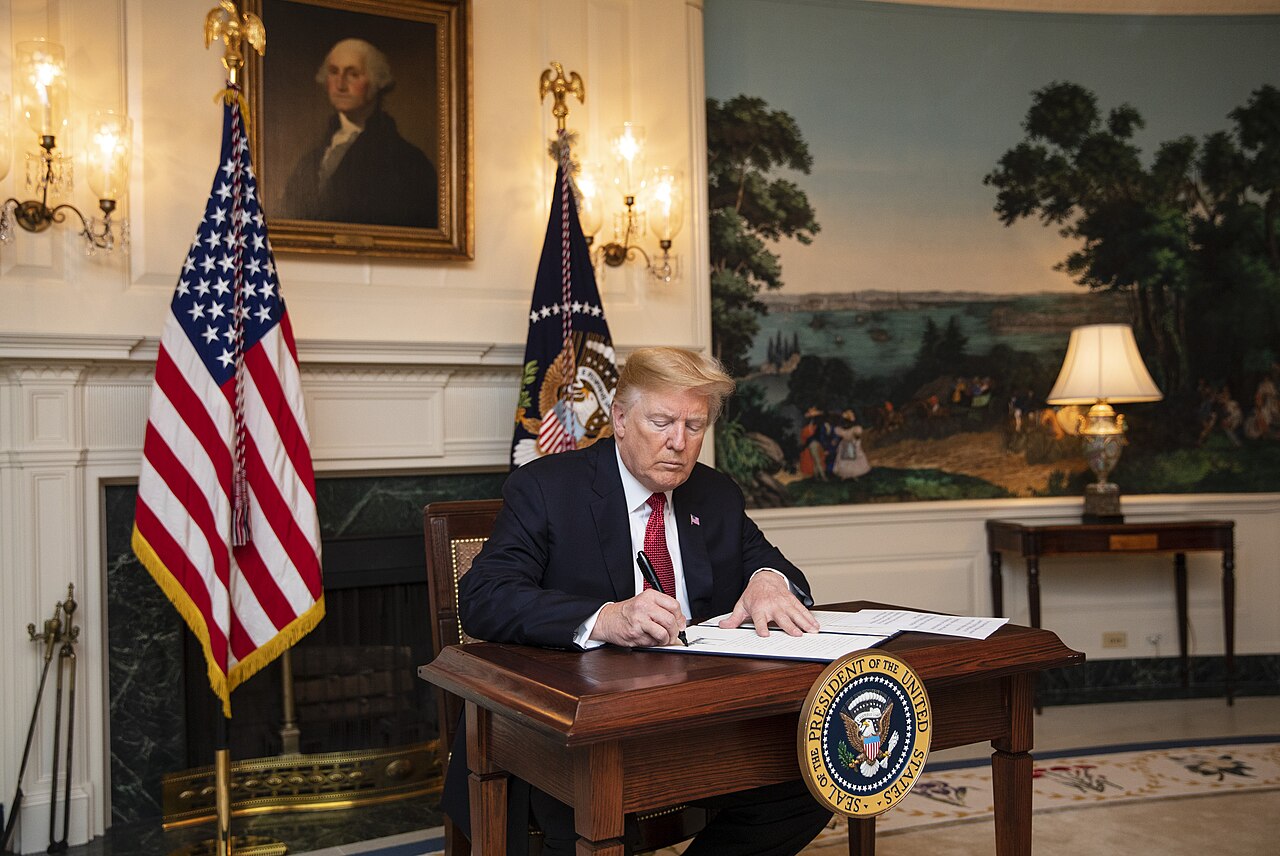
A divided federal appeals court dismantled President Trump's emergency border proclamation Friday, reinstating asylum access the administration had closed to secure the southern frontier. The D.C. Circuit's 2-1 ruling overrides executive border authority, substituting statutory technicalities for security measures that had already produced historic reductions in illegal crossings.
The panel ruled the president's Jan. 20, 2025 proclamation violates the Immigration and Nationality Act. Judges J. Michelle Childs, a Biden appointee, and Cornelia Pillard, an Obama appointee, formed the majority. Trump appointee Judge Justin Walker issued a partial dissent.
"The INA does not allow the President to remove Plaintiffs under summary removal procedures of his making," Judge Childs wrote. "Nor does it allow the Executive to suspend Plaintiffs' right to apply for asylum."
The proclamation, titled "Guaranteeing the States Protection Against Invasion," declared the southern border an invasion and suspended asylum access for migrants crossing between ports of entry. The administration issued DHS guidance instructing border agents that such individuals "are not permitted to apply for asylum."
White House officials condemned the ruling as political obstruction. Deputy chief of staff Stephen Miller called the decision an "abomination" in a Fox News interview and vowed to appeal to the Supreme Court.
"We have liberal judges across the country who are acting against this president for political purposes," White House press secretary Karoline Leavitt told Fox News. "They are not acting as true litigators of the law."
White House spokeswoman Abigail Jackson said the Justice Department "will seek further review of this badly flawed decision and we are confident we will be vindicated." She noted the asylum system has been "abused and exploited by illegal aliens without credible claims."
The court's intervention arrives after border enforcement already achieved unprecedented results. Border Patrol recorded 237,538 encounters in fiscal year 2025, the lowest total in any fiscal year since 1970, according to Pew Research Center analysis.
Since February 2025, the agency has logged fewer than 10,000 encounters per month, the lowest monthly totals in more than 25 years of available data. For eight consecutive months through December 2025, U.S. Border Patrol reported zero "catch and release" encounters.
The court directed the executive branch to pursue legislative solutions instead. "If the Government wishes to modify this carefully structured and intricate system, it must present those arguments to the only branch of government able to amend the INA: Congress," Judge Childs wrote.
The ruling upholds a July 2025 decision by U.S. District Judge Randolph Moss, who found the proclamation unlawful in a 128-page opinion. "An appeal to necessity cannot fill that void," Moss wrote.
Judge Walker's partial dissent argued the president can lawfully issue blanket denials of asylum claims. He contended the district court improperly certified a class of "potentially millions" without standing, warning the ruling reached speculative future migrants.
The decision reveals the judiciary as the final barrier to border enforcement, ensuring backlogged legal process supersedes practical security measures. Without congressional action, courts will continue blocking enforcement efforts. Border agents who helped drive encounters to their lowest levels in half a century now face a system the administration says rewards exploitation over deterrence.