SF Homicides Surge 250%, Ceasefire Collapses Within Hours
San Francisco leaders announced a 24-hour voluntary ceasefire Thursday morning. By 3:08 p.m., a teenager lay bleeding in the Mission District, shot in the abdomen.
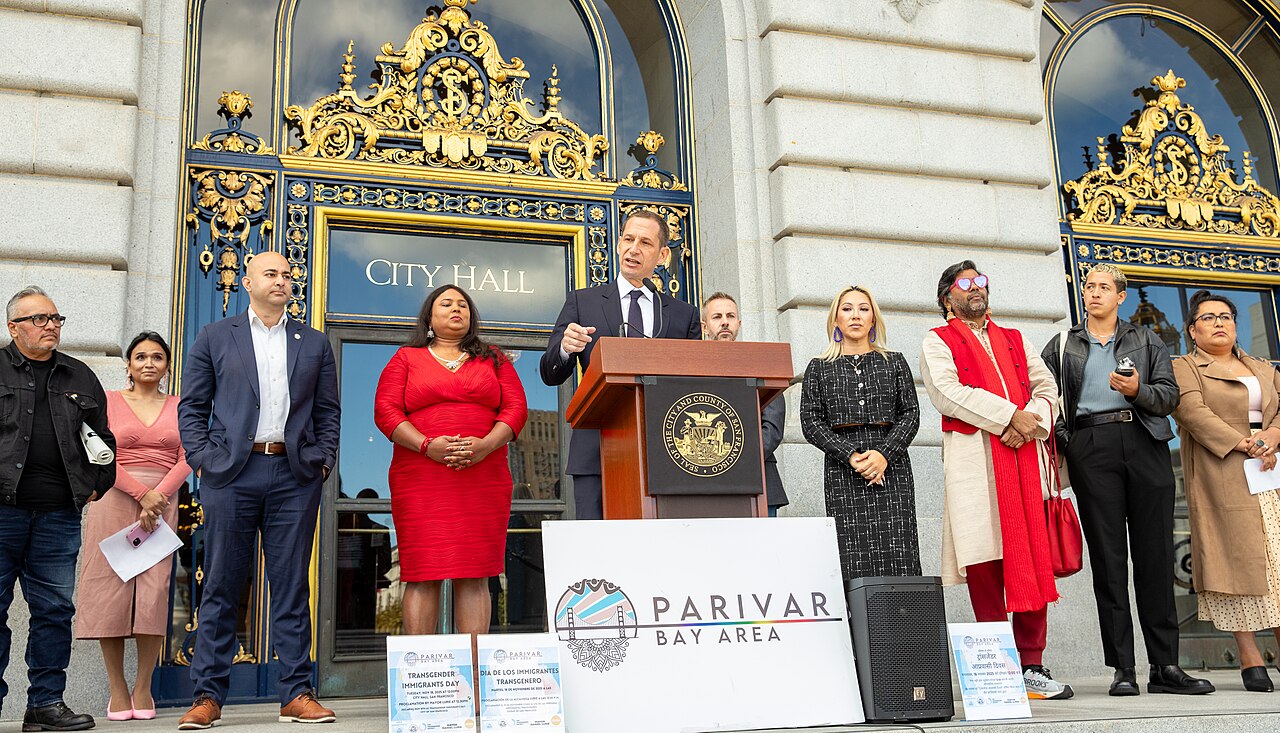
San Francisco leaders gathered on the steps of City Hall Thursday morning to plead for a 24-hour voluntary ceasefire and stem a surging tide of gun violence. By 3:08 p.m. that same day, a teenager was shot in the Mission District and rushed to the hospital with life-threatening injuries.
The shooting unfolded inside the designated ceasefire window announced just hours earlier. It laid bare the immediate failure of San Francisco's response to a homicide crisis that has claimed 14 lives in 2026 — more than triple last year's four at the same point.
District Attorney Brooke Jenkins did not mince words at the press conference. "We were at four homicides at this time last year. We are at 14 in San Francisco. This is a crisis point," she said.
The 250 percent increase in homicides arrives despite broader crime reductions across the city. Total crime is down 34 to 35 percent year-to-date, with robberies plunging 33 percent, burglaries dropping 43 percent and motor vehicle theft falling 39 percent — making the concentrated spike in deadly violence all the more jarring.
Mayor Daniel Lurie stood with Jenkins, Police Chief Derrick Lew and United Playaz Executive Director Rudy Corpuz Jr. to announce what they called "24 hours of nonviolence." The event was organized by the youth nonprofit in partnership with city officials.
"We cannot only respond after violence occurs. To do that, we must build stronger connections between City Hall and the community," Lurie said. He stressed that his administration prioritizes intervention and prevention over enforcement.
The Mission District shooting erupted near 18th and Mission streets following what witnesses described as a large fight. One or two shots were fired, striking a young male in the abdomen. The victim ran into the HOMEY nonprofit office at 2221 Mission Street, where youth staff administered first aid until paramedics arrived.
Suspects in black masks fled east on foot down 18th Street. Police reported no arrests. The shooting marked the 14th homicide in San Francisco this year, with nine involving firearms.
That toll stands in sharp contrast to 2025's historic low of 28 total homicides — the fewest since 1954. The San Francisco Police Department's Homicide Unit posted a 125 percent clearance rate last year, solving 34 cases including cold cases from prior years.
Jenkins framed the city's approach as one centered on community intervention rather than traditional law enforcement. "My job is to make sure that our city comes together to invest in intervention and prevention of these types of tragedies from happening," she said. "We've got to have people on the ground in these schools, in these communities, because it's not enough for law enforcement to come in once it's too late."
Corpuz described the ceasefire as a unifying gesture reaching across every corner of the city. "We're here with every sector — whether it's the private sector, the hood sector, or any sector, that we all are under one umbrella," he said. "For one day in San Francisco, let's sit on our hands."
The ceasefire announcement carried no enforcement mechanism, no consequences for violations and no explanation of what would happen after the 24-hour window closed. Organizers described it as a pause for outreach teams to intervene and break cycles of retaliatory violence.
Police Chief Lew acknowledged the homicide spike while noting that the number of shootings remains relatively flat compared to 2025. "One homicide is one too many, one shooting is one too many," he said at the press conference.
The immediate collapse of the voluntary ceasefire highlights what critics describe as the dysfunction of progressive governance in San Francisco. Faced with a 250 percent homicide surge, city leaders chose performative appeals over enforcement, and the failure was immediate.
The city's current approach represents a departure from the enforcement model that produced historic lows in 2025. That year saw a 20 percent decrease in homicides from 2024 and a 16 percent drop in shootings, with the police department clearing more homicide cases than occurred.
Today's strategy emphasizes building community trust and relationships over traditional policing. "We are making sure officers are not just responding to calls but are also present in the community, building relationships, earning trust, and working alongside residents to prevent violence," Lurie said.
Community leaders voiced frustration with the recurring patterns of violence. "It's definitely not new; this is something that's been going on since my parents were alive," said youth speaker Toni Bedford, describing how old conflicts are reignited by younger generations.
Demetrius Dixon, calling from Solano State Prison to support the ceasefire effort, urged the community to act before the next shooting, not after. "We must be proactive. We must speak up. Let each one of us take on the responsibility of speaking up in the name of our children," he said.
The Mission shooting victim remained hospitalized with life-threatening injuries. Police continue to investigate, encouraging tips through their anonymous line at 415-575-4444 or via text to TIP411.
San Francisco's homicide rate now averages nearly one per week through the first 10 weeks of 2026. The concentration of lethal violence amid broad crime reductions suggests the city's approach has failed to address the specific drivers of deadly encounters.
With no arrests in the Mission shooting and the voluntary ceasefire broken within hours of its announcement, San Francisco confronts a hard question: whether appeals for peace can substitute for accountability in a city where homicides have tripled in three months.