Trump Invokes Cold War Law to Boost Fossil Fuel Production
With Iran blocking oil transit through the Strait of Hormuz and crude prices surging, Trump activates the Defense Production Act to accelerate American fossil fuel production and grid infrastructure expansion.
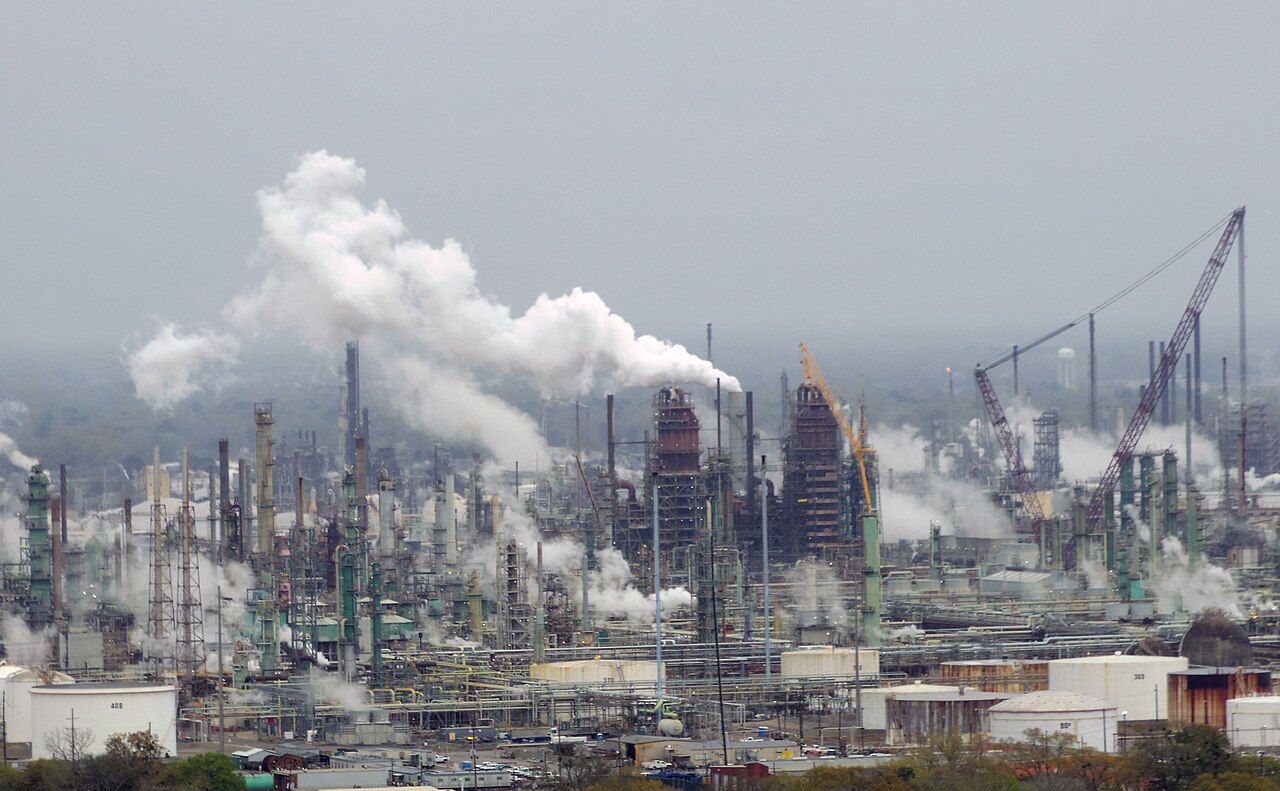
Americans pay more than $4 per gallon at the pump while the world loses 13 million barrels of oil per day. Iran's closure of the Strait of Hormuz sent Brent crude surging 51 percent in March alone. On April 20, President Trump invoked the Cold War-era Defense Production Act to expand American fossil fuel production across five sectors. The move builds on his Jan. 20, 2025, declaration under Executive Order 14156 that America's inadequate energy supply constitutes an "unusual and extraordinary threat" to the Nation's economy, national security, and foreign policy.
Trump signed five Presidential Determinations under Section 303 of the Defense Production Act of 1950. The orders target oil, natural gas, LNG, coal, and grid infrastructure. The administration confronts a documented national security reality: without reliable domestic energy, America cannot defend itself during the largest energy supply shock in modern history.
Each determination invokes Section 303(a)(7) to waive normal statutory sequencing requirements. The Energy Department can now deploy federal funding secured under the "One Big Beautiful Bill Act." Rapid deployment becomes possible for projects that otherwise face multi-year regulatory delays. The White House said the DPA actions will "strengthen our grid infrastructure and unleash reliable, affordable, secure energy," according to spokesperson Taylor Rogers.
The Iranian conflict began Feb. 28 with joint U.S.-Israel strikes. Tehran closed the Strait of Hormuz on March 4, blocking 20 million barrels of daily oil transit. Brent crude jumped from $72 per barrel to nearly $120 in early March. International Energy Agency Executive Director Fatih Birol told CNBC on April 23, "We are facing the biggest energy security threat in history." Birol said in a separate interview on the "In Good Company" podcast that the IEA's 400 million barrel release from member stockpiles "is only helping to reduce the pain, it will not be a cure."
The DPA traces its roots to the 1941 and 1942 War Powers Acts. Nixon used it to ensure the Trans-Alaska Pipeline received first priority on certain materials during the 1970s oil crisis. Clinton invoked the DPA for disaster preparedness and energy supply during the 1990s. Trump's invocation targets fossil fuels and grid expansion, contrasting with President Biden's 2022 DPA use for clean energy manufacturing like solar panels and heat pumps.
Industry groups welcomed the determinations. Rich Nolan, president and CEO of the National Mining Association, said Trump's actions recognize "the unique and irreplaceable attributes of coal to our nation's power system" for military and advanced technologies. Spencer Pederson of the National Electrical Manufacturers Association called the grid determination "a step in the right direction."
Transformer backlogs run a year or more, twice the historical lead time. The North American Electric Reliability Corp. forecasts summer peak demand will grow by 224 gigawatts over the next decade. That represents a 24 percent increase.
Critics denounced the move. Tyson Slocum, energy program director at Public Citizen, called it an "abuse of emergency authorities and wasting taxpayer resources." Jean Su of the Center for Biological Diversity noted only about $323 million remains in the FY2026 DPA Fund. "It's always just been hovering in the hundreds of millions, so it's just not that much," she said.
Environmental groups have challenged related administration actions. The Sierra Club, Earthjustice, and Environmental Law and Policy Center filed rehearing requests challenging Department of Energy orders forcing two Indiana coal plants to stay online past planned retirements. On April 21, U.S. District Judge Denise Casper, an Obama appointee, blocked Trump administration policies that stalled wind and solar energy projects nationwide.
Implementation questions remain. ClearView Energy Partners noted it is "unclear how the administration plans to direct spending." An anonymous energy industry official said, "I truly believe this is a 'don't let a good crisis go to waste.'" The official said the administration wants to show it addresses climbing energy prices and reliability issues.
A gas price dispute highlights political tensions. Energy Secretary Chris Wright said Americans might not see significantly lower gas prices until next year. Trump called this assessment "totally wrong." Average U.S. gasoline prices remain above $4 per gallon. Brent crude traded at $101.76 per barrel on April 23.
The DPA determinations build on Trump's January 2025 Executive Order 14156, which declared a National Energy Emergency. The order found that inadequate domestic energy development leaves the Nation vulnerable to hostile foreign actors. The administration has expanded that framing in its April 20 actions. The April 20 actions represent the most aggressive federal intervention to secure American fossil fuel dominance in decades, framed as essential for defense readiness amid global instability.
Families filling their tanks this week may not see relief for months. The administration argues that rebuilding American energy independence starts with legislation passed today.