Trump's Hawkish Rhetoric Masks Quiet Iran Ceasefire Push
While President Trump vows continued military pressure on Iran, behind closed doors, U.S. envoys have presented Tehran with a detailed 15-point framework for ending the deadly regional conflict.
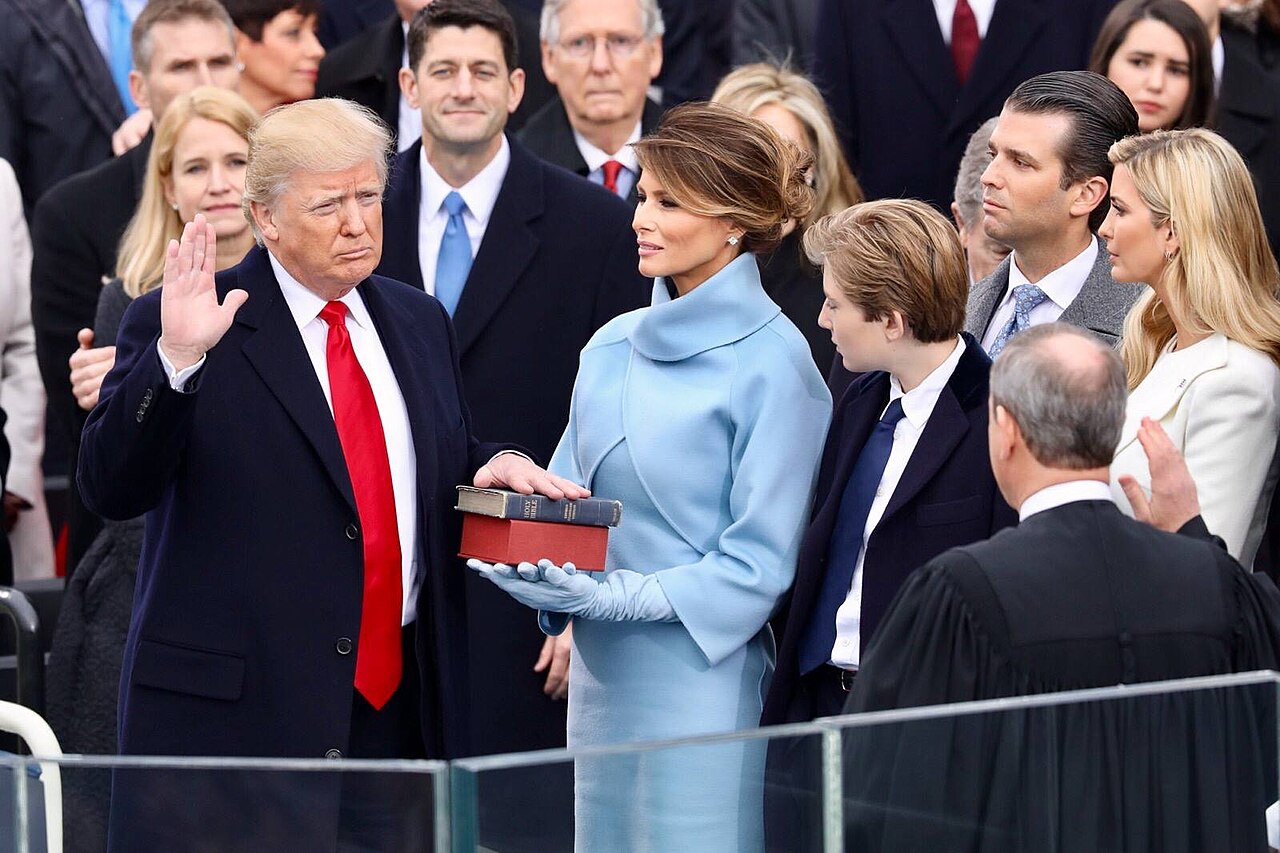
President Donald Trump told Americans Monday that the U.S. is "nearing completion" of its war objectives in Iran and promised to hit Tehran "extremely hard" over the next two to three weeks. Yet the following day revealed a separate reality: U.S. envoys had already presented Tehran with a detailed 15-point framework for ending the conflict—one that could restore oil flows and lift sanctions, though the White House has not officially acknowledged the proposal exists.
The confidential framework, delivered to Iran through Pakistani mediators on March 24, outlines terms for a comprehensive settlement including a 30-day ceasefire, dismantling of Iran's nuclear facilities, and permanent limits on its missile program. In exchange, the U.S. would remove all sanctions, support civilian nuclear energy at Bushehr, and end the UN "snapback" mechanism that could reinstate penalties.
Special Envoy Steve Witkoff confirmed the proposal's existence at a March 26 Cabinet meeting. "I can report to you today that we have... presented a 15-point action list that forms the framework for a peace deal," Witkoff said, according to CBS News and NPR. "This has been circulated through the Pakistani government acting as the mediator."
Iran rejected the American proposal. Tehran issued its own five-point counterproposal demanding reparations, guarantees against future attacks, and recognition of Iranian authority over the Strait of Hormuz. "Iran is not seeking a ceasefire but a complete end to the war across the region," Foreign Minister Abbas Araghchi stated March 31.
By maintaining maximum public pressure while pursuing back-channel diplomacy, the administration aims to leverage military threat into concessions while keeping domestic and Israeli audiences satisfied with tough rhetoric. "The one thing with the Iranians," advisor Jared Kushner told CBS News, "is you have to... just ignore a lot of what they say publicly, because I think that their statements are usually more for their domestic audiences."
The diplomatic track runs parallel to a 35-nation coalition virtual meeting on April 2 without U.S. participation. Led by the United Kingdom, the group seeks to "assess all viable diplomatic and political measures" to reopen the Strait of Hormuz, where shipping traffic has plummeted 94 percent since March 1. Brent crude prices rose to $108 per barrel.
The stakes extend far beyond economic disruption. Iranian health officials report more than 1,900 killed, while U.S. military deaths stand at 13 service members. Another 19 Israelis have died, while 10 Israeli soldiers have died in Lebanon. More than 1,200 people have been killed and more than 1 million displaced in Lebanon.
Trump's dual-track approach faces significant obstacles. Iranian military spokesman Lt. Col. Ebrahim Zolfaghari taunted U.S. officials: "Don't dress up your defeat as an agreement." Meanwhile, White House Press Secretary Karoline Leavitt cautioned reporters about "speculative points" in media coverage of the 15-point plan while acknowledging "elements of truth" to the reports.
The strategic calculation rests on whether military pressure can force Iranian concessions despite Tehran's public rejection of negotiations. "If we can convince Iran that this is the inflection point with no good alternatives for them, other than more death and destruction, we have strong signs that this is a possibility," Witkoff said.
International allies express growing frustration with the conflict's economic toll. German Defense Minister Boris Pistorius declared "there is no exit strategy" for the war. The 35-nation virtual meeting addresses Hormuz closures affecting 20 percent of the world's traded oil.
Behind Trump's bellicose rhetoric lies a pragmatic reality: military operations have failed to reopen the strait or force Iran's capitulation. The 15-point framework offers a potential diplomatic exit, but its success depends on Tehran's willingness to negotiate despite public denials. As Iran fires missiles at Israel and Gulf neighbors in response to Trump's speech, the question remains whether maximum pressure can produce minimum agreement—or whether burned bridges will prevent any deal at all.