Trump Strongly Considering NATO Withdrawal After Hormuz Betrayal
President Trump threatens NATO withdrawal after European allies refused to help reopen the Strait of Hormuz, exposing deep fractures in the 77-year-old Western alliance.
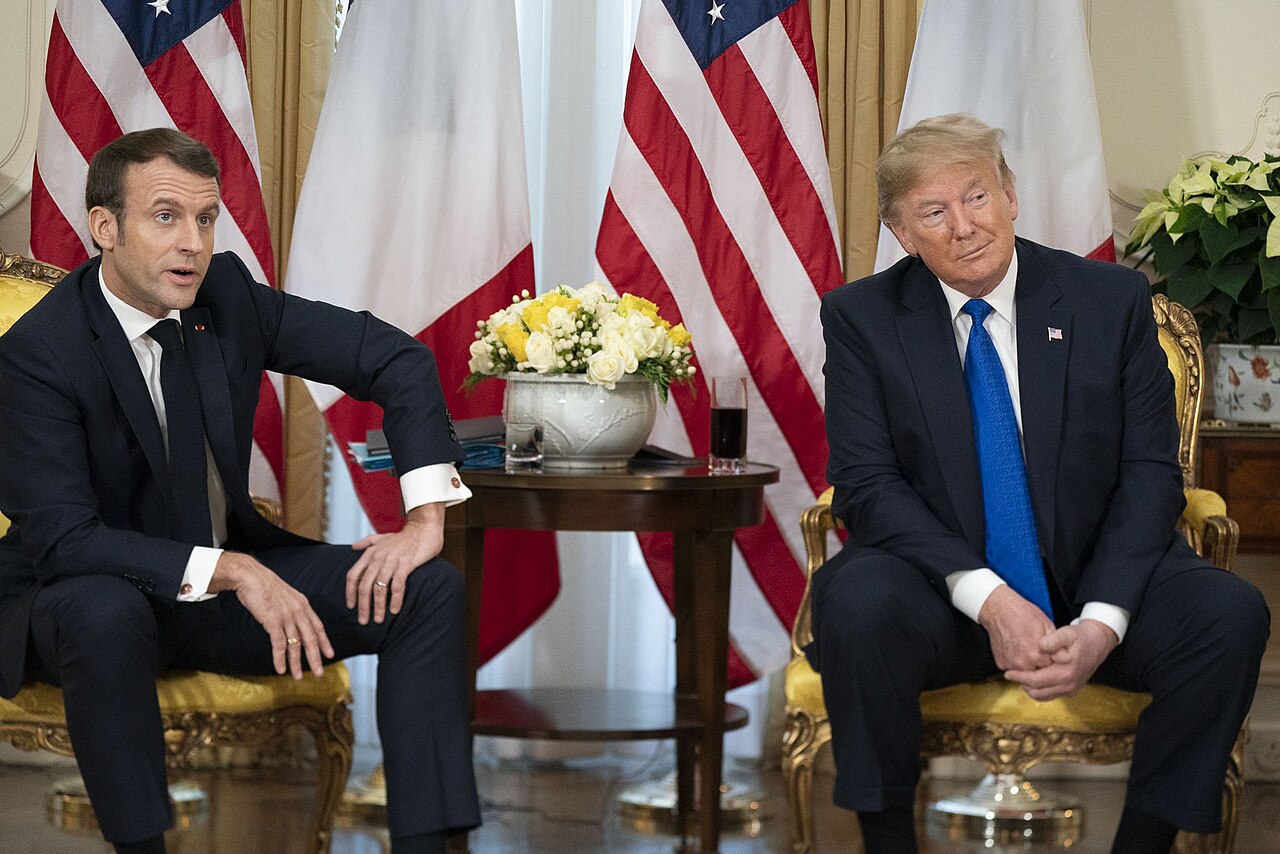
President Trump declared he is "strongly considering" pulling the United States out of NATO after European allies refused to help reopen the Strait of Hormuz, calling the 77-year-old alliance a "paper tiger" whose moment of truth arrived and found it hollow.
"I was never swayed by NATO. I always knew they were a paper tiger, and Putin knows that too, by the way," Trump told The Telegraph in an April 1 interview. When asked if he wanted to withdraw from the military bloc, he stated: "Oh yes, I would say [it's] beyond reconsideration."
The crisis erupted after Iran effectively closed the Strait of Hormuz in response to U.S.-Israel strikes launched on Feb. 28, blocking 20 percent of global oil supply. Trump demanded NATO allies send warships to force the strait open, but they refused during active hostilities, prompting the president to accuse NATO of operating a "one-way street."
American families now feel the pinch at the pump as oil prices hover between $101 and $106 per barrel. The standoff has exposed raw fractures in the Western alliance that politicians had hoped would remain hidden.
Secretary of State Marco Rubio echoed Trump's frustration during a March 31 Fox News appearance, warning that America would have to "re-examine" its NATO membership once the Iran conflict ends. "If NATO is simply about us having troops in Europe to defend Europe, but when we need them to allow us to use their military bases, their answer is no — then why are we in NATO?" Rubio said. "There's no doubt, unfortunately, after this conflict is concluded, we are going to have to re-examine that relationship."
The UK's military vulnerabilities added fuel to the fire. Four of Britain's six Type 45 destroyers were out of service at the conflict's start, forcing London to borrow the German frigate Sachsen on March 27 to meet NATO obligations in the North Atlantic. The First Sea Lord admitted the Royal Navy was "not ready for war," and Tory MP Ben Obese-Jecty called the episode a national embarrassment that showed the Royal Navy had "officially run out of ships."
Trump singled out Britain in his Telegraph interview, mocking its naval capabilities and Prime Minister Keir Starmer's green-energy focus. "You don't even have a navy. You're too old and had aircraft carriers that didn't work," Trump said. "All Starmer wants is costly windmills that are driving your energy prices through the roof."
Starmer moved quickly to reaffirm Britain's commitment to NATO while drawing a firm line on the Iran conflict. "This is not our war, and we're not going to get dragged into it," he told The Telegraph, describing the alliance as "the single most effective military alliance the world has ever seen." He signaled a pivot toward closer European cooperation "whatever the noise" from Washington.
Defense Secretary Pete Hegseth declined to reaffirm the U.S. commitment to NATO's Article 5 collective defense on March 31, saying it was "up to the president." Hegseth stated, "A lot has been laid bare. A lot has been shown to the world, about what our allies would be willing to do for the United States of America. You don't have much of an alliance if you have countries who are not willing to stand with you when you need them."
European leaders offered mixed responses to Trump's threats. French junior army minister Alice Rufo defended NATO's refusal to act in the Strait of Hormuz, stating on April 1: "It is not intended to carry out an operation in the Strait of Hormuz, which is not in accordance with international law." German government officials called Trump's remarks "a recurring phenomenon" and reaffirmed Berlin's commitment to the defense alliance.
Any formal U.S. withdrawal from NATO faces a congressional obstacle. Legislation passed in 2023 and co-sponsored by then-Senator Rubio bars the president from withdrawing from NATO without two-thirds Senate approval. Senate Minority Leader Chuck Schumer stated on April 1: "The Senate will not vote to leave NATO and abandon our allies just because Trump is upset they wouldn't go along with his reckless war of choice."
Senior Trump administration officials are advocating a "pay-to-play" model that would penalize NATO members failing to meet defense spending targets. Trump is reportedly considering excluding nations that fail to meet the 5 percent GDP target (agreed at the June 2025 NATO summit) from strategic decision-making. The administration also contemplates withdrawing approximately 37,000 U.S. troops from Germany.
NATO Secretary-General Mark Rutte confirmed a long-planned visit to Washington next week, though his office provided no immediate comment on Trump's withdrawal threats. The timing of that meeting could prove decisive for the alliance's future.
Trump wrote on Truth Social on March 31: "You'll have to start learning how to fight for yourself, the U.S.A. won't be there to help you anymore, just like you weren't there for us." Whether his latest broadside represents negotiation theater or the beginning of America's strategic retreat from Europe remains uncertain, but the "paper tiger" label has already left its mark on the 77-year-old alliance.