Culture Minister Declares Online Censorship a Federal Duty
Culture Minister Marc Miller announces federal government will regulate online content as Carney government pushes third bill for digital speech control, despite previous parliamentary rejections and international failures.
Culture Minister Marc Miller declared on April 29 that regulating online content is now a role "assumed by the federal government."
Two weeks earlier, he told reporters the cabinet is "serious about regulating legal internet content now that it has a parliamentary majority."
The announcement signals Ottawa's latest push to control digital expression. It follows two previous bills that Parliament rejected after concerns about censorship and democratic oversight.
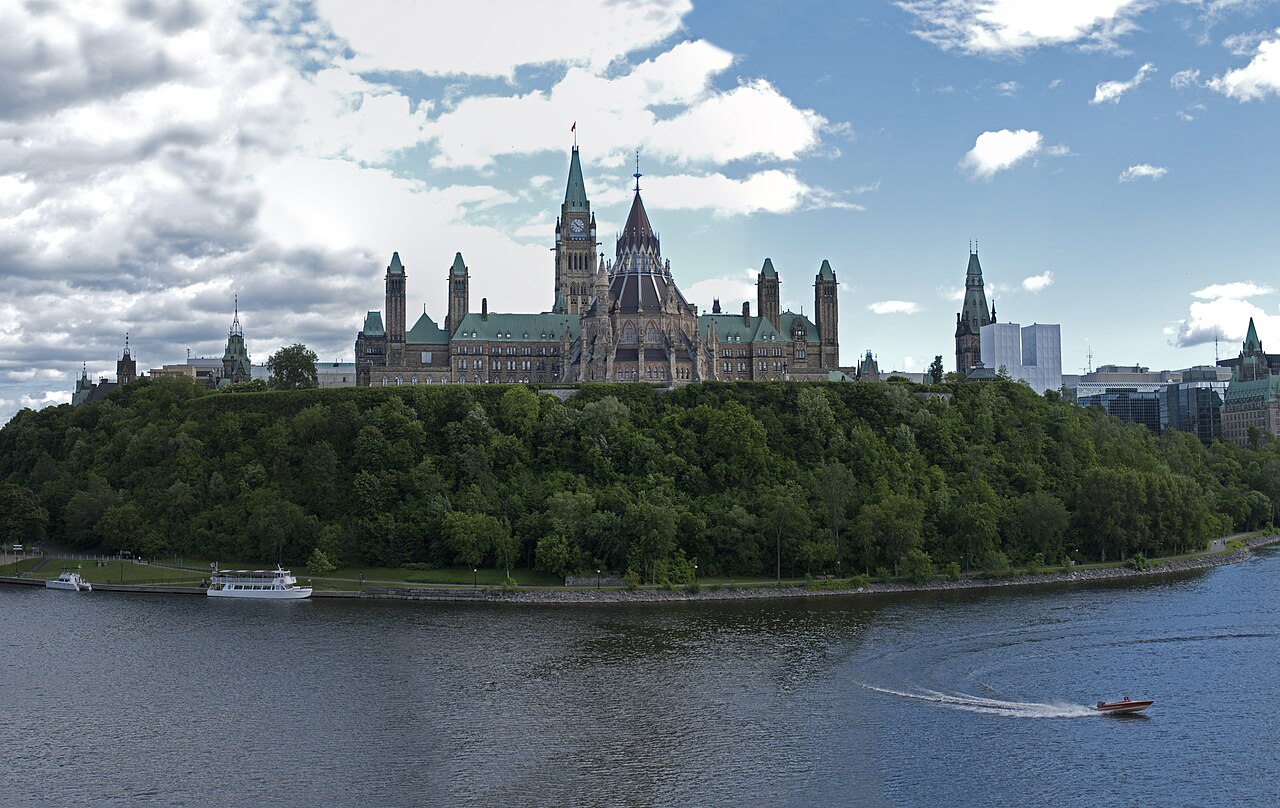
"When it comes to the regulation of online content and social media, that role is assumed by the federal government," Miller told reporters on Parliament Hill. "We're, frankly, a couple years behind in regulating, as we see other jurisdictions like Australia, like Britain, like France taking action. We need to take action as well."
Rather than revise its approach after Parliament rejected previous legislation, the administration reconvened the exact 2022 Expert Advisory Group to draft a third iteration.
The panel contributed to Bill C-63, introduced in 2024, which died after conservatives and civil liberties organizations warned it would create a censorship bureau with no democratic oversight. Bill C-36, introduced in 2021, predates the advisory group.
"I am quite pleased with this," advisory group member Bernie Farber told The Logic on February 26. "The advisory group has already provided a road map of what a law should look like."
The European models Miller cites as benchmarks have already proven ineffective and constitutionally problematic.
Australia's ban on social media for users under 16 resulted in platforms removing 4.7 million accounts. Yet more than 60 percent of teens who had social media accounts before the ban still had access to at least one platform, according to a Molly Rose Foundation survey reported by Fortune in April 2026.
Britain reversed its policy of police investigating legal but offensive social media posts this April after public backlash. France's Avia Law, which required platforms to remove hateful content within 24 hours, was struck down by the Constitutional Council in 2020 as an unconstitutional infringement on free expression.
Bill C-63 would have created a Digital Safety Commission with sweeping authority to remove seven categories of content. It proposed life imprisonment for hate-motivated online crimes and authorized the commission to impose fines of up to 6 percent of a company's global revenue or $10 million.
Critics from across the political spectrum warn the legislation represents an unprecedented expansion of state power.
Author Margaret Atwood called Bill C-63 "Orwellian" and warned of "thoughtcrime" provisions. University of Ottawa law professor Michael Geist noted the bill contained "red flags," including overly broad definitions and "remarkable" powers for the Digital Safety Commission.
"This is not about protecting children, but rather about control," People's Party leader Maxime Bernier stated in April. "The Liberals' plan to force tech companies to verify the age of every Canadian user means mass surveillance, mass data collection, and the end of online privacy."
The Parliamentary Budget Officer estimated Bill C-63 would have cost taxpayers $201 million over five years to implement. Conservative MP Michelle Rempel Garner tabled her own version of an online safety bill, calling the proposed Digital Safety Commission an "expensive and ubiquitous regulator with unfettered powers to expand its scope and to police all manner of speech."
Prime Minister Mark Carney's government gained its majority in April through three byelection wins and five floor-crossings from opposition parties. Miller acknowledged this new reality on April 15, telling reporters "the grassroots have spoken" about social media restrictions and "there are some opportunities here."
The government insists protecting children from online exploitation justifies suppressing legal speech. The international precedents it seeks to emulate demonstrate these censorship regimes fail to achieve their stated goals while systematically infringing on constitutional liberties.
As Miller's advisory group works on a third version of legislation Parliament has already rejected twice, Canadians face a government determined to treat their digital expression as a privilege rather than a right.