U.S. Strikes Narco-Terror Vessel in Caribbean, Marking Fourth Lethal Operation This Month
The Trump administration's Caribbean strike campaign eliminates narco-terror suspects while drawing condemnation from international critics who oppose direct military action against transnational criminal networks.
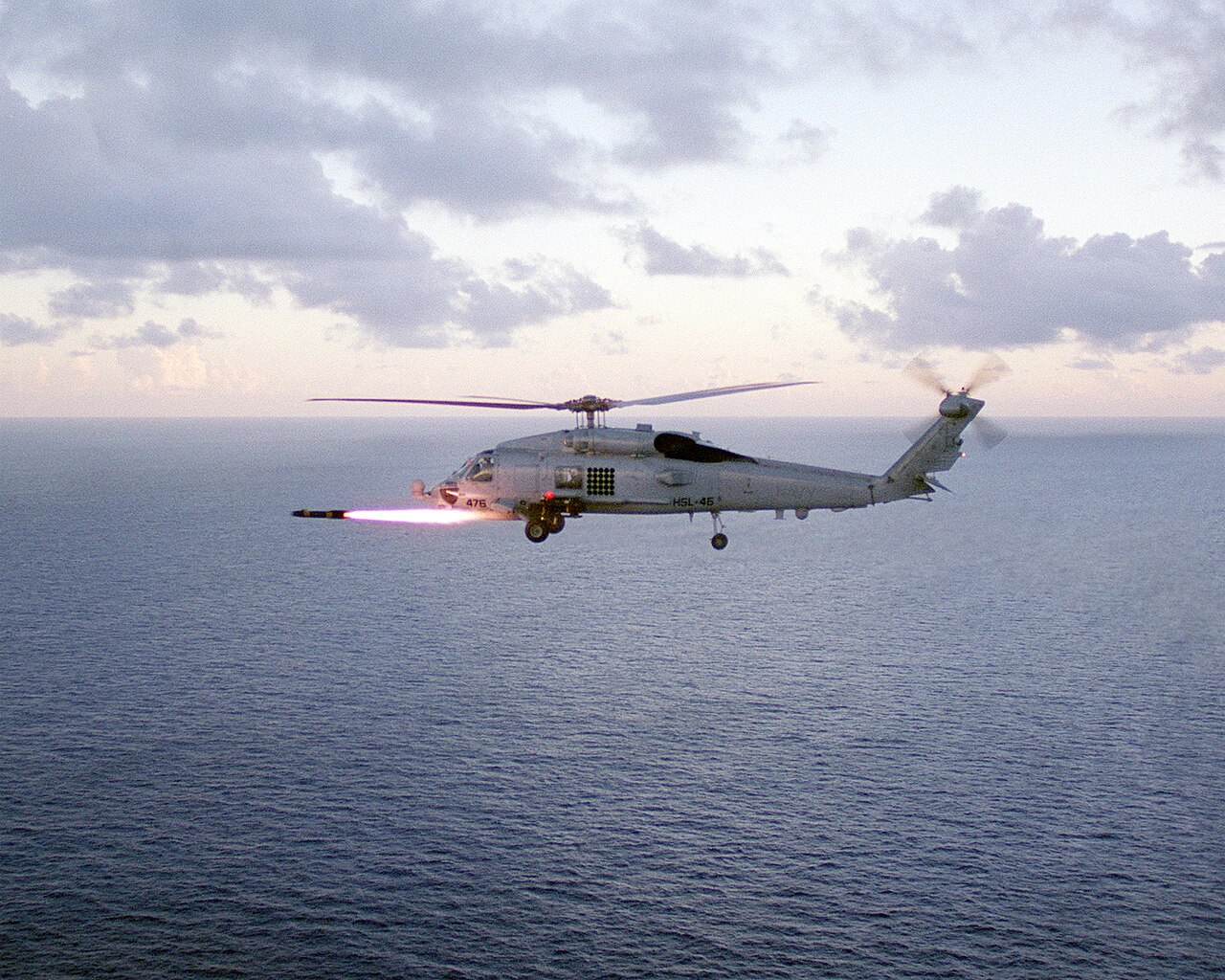
Two suspects died and six others survived when U.S. Southern Command struck a narco-terror vessel in the Caribbean Sea on June 21. The operation marked the fourth lethal strike in June alone, underscoring the administration's willingness to use force against transnational criminal networks operating beyond American borders.
Gen. Francis L. Donovan, commander of U.S. Southern Command, ordered Joint Task Force Southern Spear to carry out what the military terms a "lethal kinetic strike." Intelligence confirmed the vessel was moving along known narco-trafficking routes, operated by organizations the U.S. has designated as terrorist groups.
The strike reflects a broader strategy that favors direct military action over what the administration calls failed diplomatic approaches. Rather than waiting for threats to materialize at U.S. borders, American forces now intercept them at sea.
Operation Southern Spear has eliminated at least 211 individuals and destroyed 62 boats since launching on Sept. 2, 2025. A Department of War Inspector General report shows the campaign has cost taxpayers $647 million through March 31. American forces have sustained no combat casualties during the nine-month operation.
Regional leaders are responding to the shift. Ecuadorian President Daniel Noboa visited the Pentagon on June 15 to coordinate anti-narco-terrorism operations. Guatemala agreed in May to permit joint U.S. strikes on its territory. Venezuelan security forces worked with U.S. forces on June 12 to eliminate Héctor Rusthenford Guerrero Flores, leader of the Tren de Aragua.
"Cartels are waging war on the United States," a senior administration official told Breitbart. "President Trump is making it clear that the United States will wage war right back."
The approach deliberately sidesteps international legal frameworks that have long constrained American action. The Justice Department's Office of Legal Counsel memo justifying the strikes remains unreleased. Congressional resolutions targeting the campaign failed in the Senate in October 2025 and in the House in December 2025.
The Pentagon's Inspector General launched a review in May to examine whether strikes follow proper targeting procedures. The review does not address the legality of the campaign itself. Secretary of War Pete Hegseth praised Ecuador's cooperation during Noboa's visit. "You have been a model partner with us to counter these networks," he stated.
Critics argue the operations violate international law. Kenneth Roth, former executive director of Human Rights Watch, called them "now more than 200 Trump summary executions — blatant murders." Ben Saul, UN Special Rapporteur on Human Rights and Counter-Terrorism, described the strikes as "unprovoked serial extrajudicial killings" with "no justification under international law."
Latin American leaders have pushed back as well. Brazilian President Lula warned that "they want to colonise us." Colombian President Gustavo Petro accused the U.S. of "murder."
The administration's defenders note these critics face no direct threat from cartels on their own soil. American families along the border do. The campaign has achieved zero combat casualties for U.S. forces while eliminating more than 200 narco-terrorist targets. Regional partnerships have emerged that previous administrations could not secure through diplomatic channels.
"The Western Hemisphere is no longer a permissive environment for narco-terrorists, criminal syndicates, or their state sponsors," Gen. Donovan declared in a May 31 statement.
The June 21 operation followed three other lethal strikes in the same week. Previous strikes on June 3, June 16, and June 18 eliminated narco-terrorist targets in the Eastern Pacific. Each operation follows the same sequence: intelligence identifies vessels on trafficking routes, Southern Command authorizes strikes, and Coast Guard personnel recover survivors.
Legal scholars question the framework. Ryan Goodman, editor-in-chief of Just Security, argues the strikes constitute murder under international law and raise questions about potential crimes against humanity. Sen. Rand Paul of Kentucky criticized his Republican colleagues, saying they "don't give a s-- about these people in the boats."
The administration maintains the U.S. is engaged in a "non-international armed conflict" with approximately 24 criminal organizations. This legal classification permits military action against groups Washington has designated as terrorist organizations.
A wrongful death lawsuit filed in January by relatives of two Trinidadian fishermen challenges the campaign's human cost. Their family members were aboard a vessel struck during the operation, the relatives claim. The case remains pending in Massachusetts federal court.
As the campaign expands, regional cooperation continues to grow. Hegseth emphasized the partnership approach during Noboa's visit, stating, "Nothing means more to President Trump than countries who are willing to carry their own weight."
The strategy prioritizes American domestic safety over international legal scrutiny. At least 211 targets have been eliminated. The only U.S. casualty linked to the campaign was Lance Cpl. Chukwuemeka E. Oforah, who fell from the USS Iwo Jima on Feb. 7, 2026. For an administration that has watched decades of diplomatic approaches produce little change, the numbers tell a story of measurable results where patience once produced only more threats.