Democrats Pledge to Reverse Trump-Era Health Care Cuts in 2026 Midterms
Rep. Ted Lieu vows Democrats will restore trillions in Medicaid and Medicare spending if they regain power, setting up a defining fiscal debate for the 2026 midterm elections.
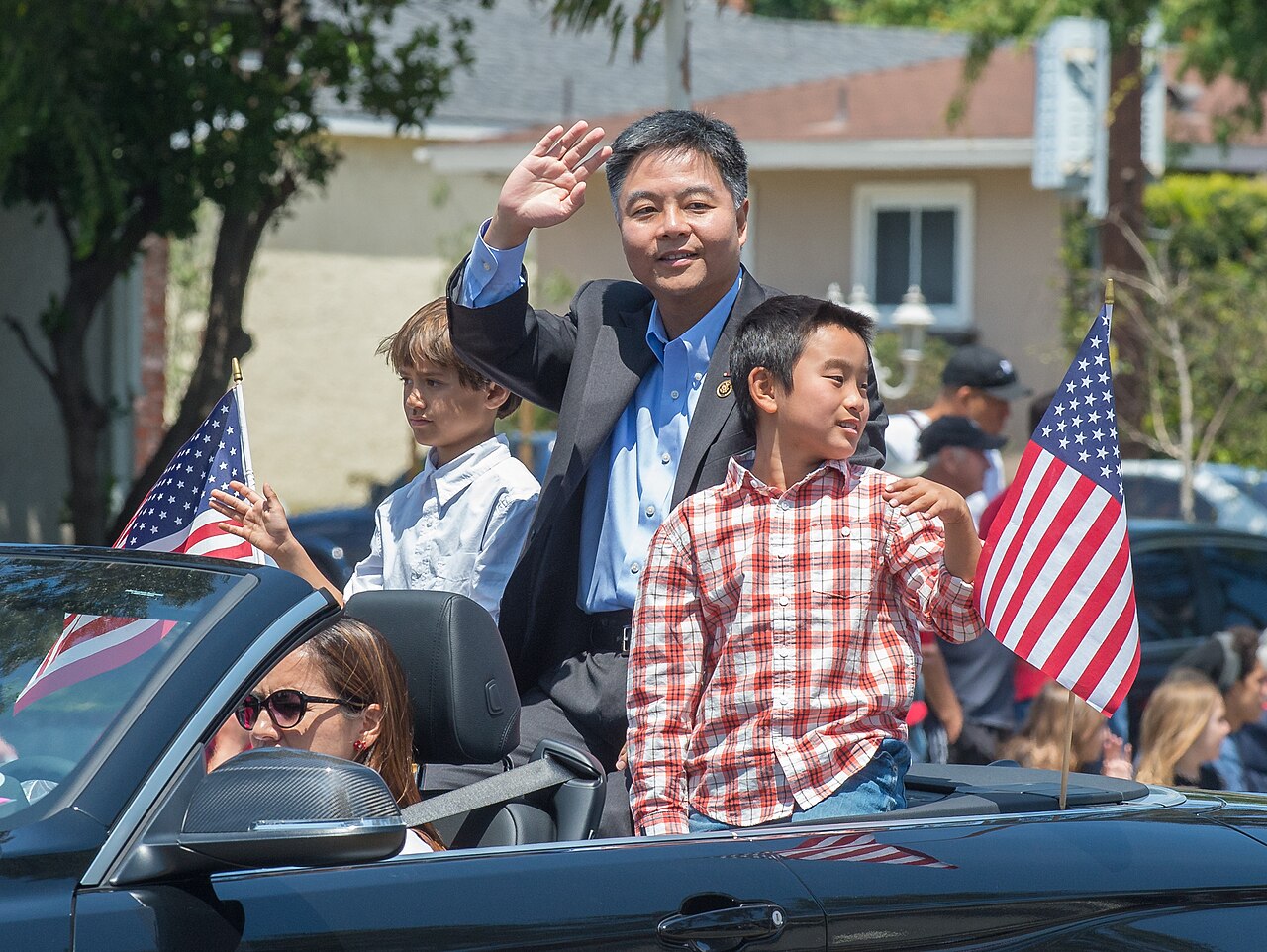
Rep. Ted Lieu appeared on national television last week and laid out the Democratic Party's defining promise for the 2026 midterms: restore trillions of dollars in health care spending. The California Democrat told "Face the Nation" on May 10 that Democrats will reverse the Medicaid, Medicare and Affordable Care Act cuts enacted by President Trump when they regain control of Washington.
The pledge crystallizes what voters face this November. Democrats want to return to pre-2025 federal spending levels. Republicans defended the cuts as necessary fiscal restraint.
"Democrats, when we get control, we're going to reverse the massive Medicaid cuts, the Medicare cuts, and the cuts to ACA that Trump and Republicans put in last year," Lieu told host Margaret Brennan.
Brennan pressed back, noting Democrats previously "shut down the government to have an argument over health care, and they didn't get any policy concessions, and premiums went up. You lost that fight."
The law at the center of this debate carries the name One Big Beautiful Bill Act. Signed July 4, 2025, it represents the most significant reduction to federal health care spending in decades. The Congressional Budget Office estimated the legislation will reduce Medicaid expenditures by more than $900 billion over 10 years. It projects 7.5 million additional uninsured Americans and a reduction of 10.3 million in Medicaid enrollment.
The legislation imposed work requirements of 80 hours monthly for Medicaid recipients aged 19 to 64. Those provisions alone are projected to cause 4.8 to 5 million coverage losses.
Reversing those cuts would primarily benefit lawfully present immigrants, according to independent policy analysts. The OBBBA restricted Medicaid, Medicare and ACA marketplace premium tax credit eligibility to a narrower set of lawfully present immigrants, primarily lawful permanent residents. KFF and the Center for Children and Families at Georgetown University confirmed that undocumented immigrants remain ineligible for federally funded health coverage under current law. Overturning the OBBBA provisions would not change that restriction.
California Democrats are pursuing parallel state-level efforts to expand coverage beyond federal parameters. State Senator Maria Elena Durazo introduced Senate Bill 1422 on Feb. 20 to restore full-scope Medi-Cal to undocumented adults beginning Jan. 1, 2027. The bill would reverse Governor Gavin Newsom's 2025 budget freeze on enrollment for this population. The Legislative Analyst's Office estimates that freeze will leave more than 1 million Californians without health coverage by 2030.
The federal cuts have already reshaped safety net programs in California. Seventy-two thousand immigrants lost CalFresh food benefits on April 1 following the OBBBA's noncitizen eligibility changes. The state estimates H.R. 1 will cut federal SNAP funding by $2.3 billion to $5.1 billion annually. California Democrats are proposing to fund expanded state benefits through a billionaire wealth tax initiative that collected 1.5 million signatures for the November ballot.
Every Democratic candidate in California's May 5 gubernatorial debate endorsed taxpayer-funded health care for undocumented immigrants. Tom Steyer, Katie Porter and Xavier Becerra each voiced support. Republican candidates Steve Hilton and Chad Bianco opposed the policy. The unified Democratic position at both state and federal levels signals a coordinated push to expand government-funded health care regardless of immigration status.
Lieu's comments cement the Democratic midterm message. Voters must decide whether to maintain fiscal restraint or return to pre-OBBBA spending levels. Democrats passed a three-year extension of ACA tax credits through the House and urge Senate approval, though Republicans control the chamber.
The OBBBA's health care provisions generated $124 billion in savings over 10 years by restricting eligibility for lawfully present immigrants, according to CBO estimates. Manatt Health analysis shows the law eliminated or delayed coverage for refugees, asylees, DACA recipients and trafficking survivors while maintaining existing prohibitions on undocumented immigrant participation in federal programs.
The broader impact extends beyond health care. Nationwide SNAP rolls have shrunk by 3.3 million in the six months following OBBBA implementation. California's CalFresh program lost 288,000 recipients. Beginning in June, nearly 600,000 California recipients will face new work requirement screenings. The law shifted administrative costs to states while cutting more than $186 billion from nutrition assistance over a decade.
Durazo was one of only two Democratic lawmakers who voted against Newsom's budget curtailing health care for undocumented immigrants. "We are no healthier as a community than the person least able to access care," she told CalMatters in March. "When we accept a two-tier health care system, we borrow trouble."
The billionaire tax measure would impose a one-time 5 percent levy on Californians with net worth exceeding $1 billion. Ninety percent of the revenue would fund health care. Opposition has coalesced around three competing ballot measures with over $50 million in spending led by billionaires Sergey Brin and Chris Larsen.
Lieu's national television commitment represents what conservative media has labeled a "mask off" moment. It reveals Democratic priorities ahead of the 2026 elections. The party's unified stance across federal and state levels shows determination to reverse both the OBBBA's restrictions on lawfully present immigrants and California's limits on undocumented immigrant health coverage.
Voters will decide in November whether expanding government-funded care or preserving fiscal discipline best serves their communities.