Starmer Hit With Defamation Suit After Blocking Foreign Speakers From UK Rally
Five conservative speakers sue Prime Minister Keir Starmer over border bans, challenging the government's use of immigration controls to exclude political opponents from a London rally.
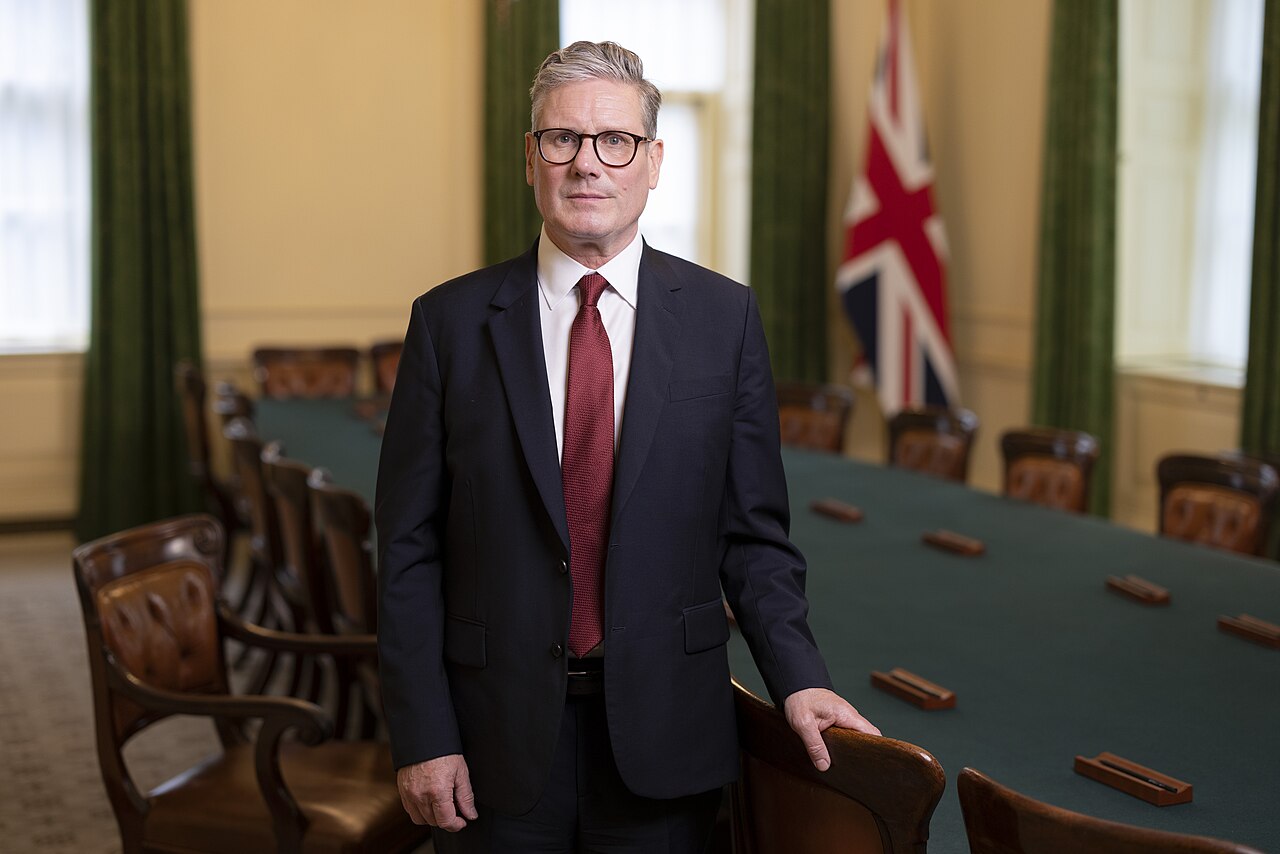
Five conservative speakers from across Europe and the United States have filed a defamation lawsuit against Prime Minister Keir Starmer, accusing the government of weaponizing border policy to silence political dissent. The legal challenge centers on a May rally in London, where Starmer's administration used new immigration controls to bar the speakers from entering the country.
Polish MEP Dominik Tarczyński, Dutch commentator Eva Vlaardingerbroek, Spanish influencer Ada Lluch, US commentator Joey Mannarino, and US podcaster Don Keith instructed Italian lawyer Francesco Gargallo di Castel Lentini to deliver a Letter of Claim to 10 Downing Street on May 13. The letter demands Starmer retract his "far-right agitator" label and warns of further legal action.
"The letter demands that he immediately retract his defamatory statements in which he labelled us 'far-right agitators' who wish to incite violence," Vlaardingerbroek stated.
The dispute traces back to the government's decision to block 11 foreign nationals using the "not conducive to the public good" clause of Britain's 2026 Electronic Travel Authorisation system. Starmer defended the exclusions in public statements, describing rally organizers as "convicted thugs and racists."
"We will block those coming into the UK who seek to incite hatred and violence," Starmer announced on May 15.
The government's targets included Tarczyński, an elected member of the European Parliament serving in the European Conservatives and Reformists Group. Former Prime Minister Liz Truss called the exclusion "shocking." Polish Foreign Minister Radosław Sikorski took aim at Tarczyński himself, condemning the MEP's characterization of Starmer as "communist" and calling him an "unhinged extremist."
The border bans represent only one facet of a broader crackdown. Britain's Crown Prosecution Service issued new guidance directing prosecutors to consider whether protest placards or chants stir up hatred.
"This is not about restricting free speech," CPS Director Stephen Parkinson stated. "It is about preventing hate crime and protecting the public."
Security spending reflected the government's determination to control the May 16 events. Authorities deployed 4,000 officers at a cost of £4.5 million to police both the "Unite the Kingdom" rally and a rival pro-Palestinian march. Police used live facial recognition cameras at a protest for the first time. The operation resulted in 43 arrests across the rival demonstrations.
Historical context complicates the government's claims of unique intolerance. Conservative home secretaries banned 369 people between May 2010 and December 2022, averaging 30 exclusions annually. Theresa May banned US bloggers Pamela Geller and Robert Spencer in 2013.
Tarczyński addressed the London crowd via video link after his exclusion. Thousands of supporters watched as he vowed to return.
"He could ban me. He will not cancel you," the Polish politician told the crowd. "And believe me, there will be a day I will be back."
Rally organizer Tommy Robinson urged attendees to prepare for a "battle of Britain" and get politically involved ahead of the 2029 election.
The lawsuit reaches beyond one speaker list. It challenges a government pattern of normalizing viewpoint exclusion through border policy. Mannarino drew a stark conclusion about the country's trajectory.
"Free speech is DEAD in the United Kingdom," Mannarino declared. "The Labour government has taken whatever was left of it and destroyed it."
Lluch framed the dispute in terms of competing visions for Britain's future. "One of the reasons Keir Starmer said he banned us from entering the UK is because we don't bring solutions to the problems," she asserted. "I think the solution is obvious: WE WANT REMIGRATION."
Britain's Electronic Travel Authorisation system, which became mandatory in February 2026, allows visa-exempt entry over two years with no right to appeal. The Home Office informed Tarczyński, "You cannot appeal this decision." The legal confrontation tests whether a democratic government can conflate political opposition with criminality to justify exclusion while maintaining commitments to free expression.