Virginia Democrats Appeal to U.S. Supreme Court After State Court Blocks Partisan Redistricting Map
Virginia Democrats escalated a redistricting dispute to the nation's highest court after state justices struck down a partisan map that would have reshaped the congressional delegation from 6-5 to 10-1 in Democratic favor.
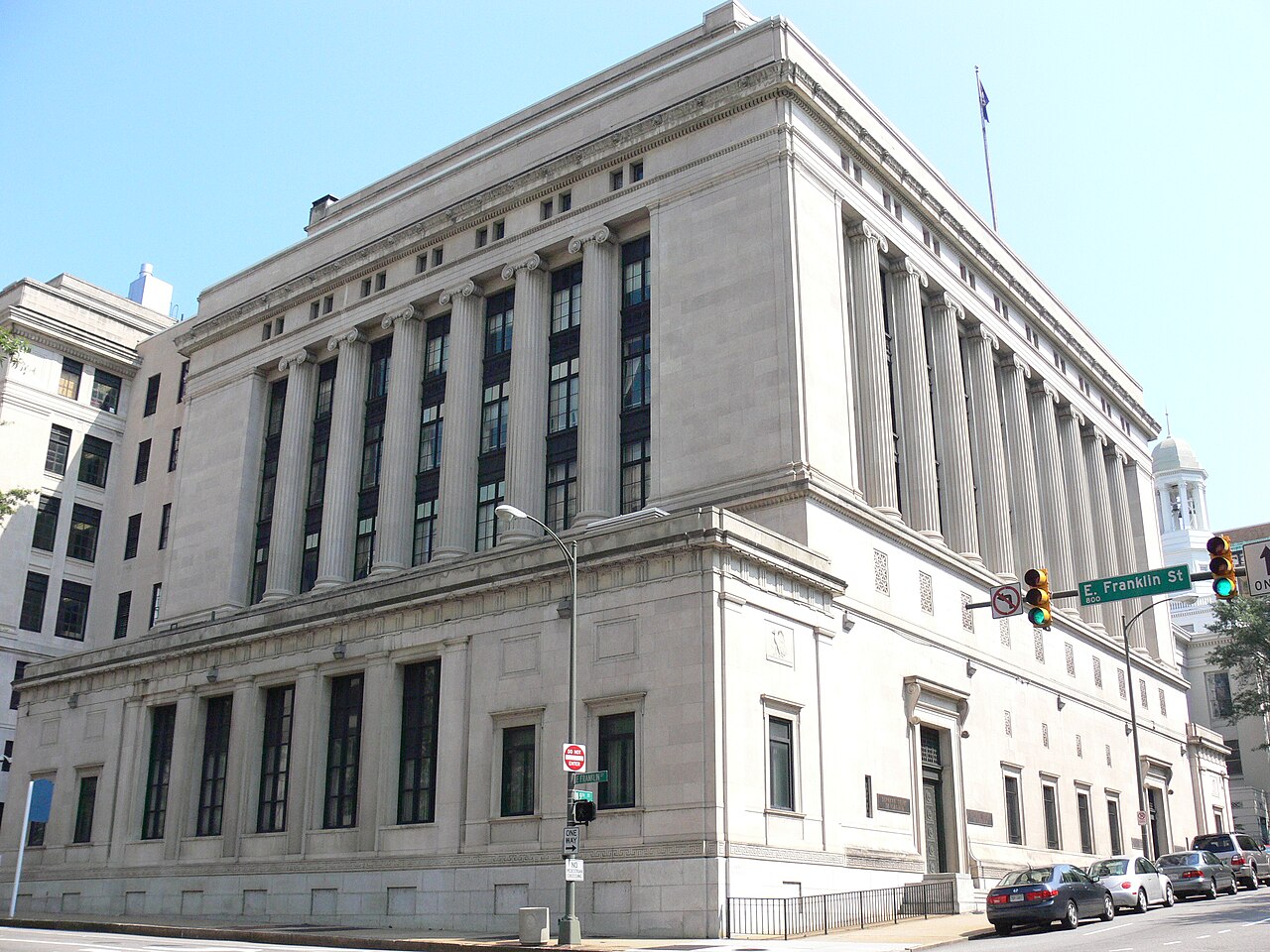
Virginia Democrats took a desperate appeal to the U.S. Supreme Court on May 11 after the state's highest court struck down their redistricting scheme, exposing a raw power struggle over who controls the Commonwealth's political future.
The emergency application arrived one day after a 4-3 Virginia Supreme Court ruling nullified a map that would have flipped the state's congressional delegation from 6-5 Republican to 10-1 Democratic. The appeal represents a final attempt to salvage a plan that voters approved by a razor-thin margin.
Virginia Attorney General Jay Jones and Solicitor General Tillman Breckenbridge argued the state court "overrode the will of the people" who narrowly approved the constitutional amendment in April. The justices rejected that argument, finding Democrats violated Virginia's Constitution by passing the amendment after early voting had already begun.
More than 1.3 million Virginians cast ballots before the General Assembly voted on the redistricting measure on Oct. 31, 2025 — just four days before early voting ended. Justice D. Arthur Kelsey wrote that the procedural breach "incurably taints the resulting referendum vote and nullifies its legal efficacy."
Virginia's Constitution requires amendments pass before the "next general election," a phrase the court interpreted to include the entire voting period, not just Election Day. The ruling means those 1.3 million voters had no chance to weigh in on a map that would have redrawn their districts.
Democrats poured $66.4 million into securing voter approval for the scheme, with House Majority Forward contributing $38.1 million alone. The referendum passed 51.69 percent to 48.31 percent, but the court ruled "the ultimate vote margin plays no role in the analytics of our judicial review of the constitutionality of the pre-election constitutional-amendment process."
Justice Kelsey's majority opinion detailed the extreme partisan imbalance the map would have created. "Approximately 47 percent of Virginians that voted for representatives of one of the major political parties in the last congressional election would now be represented by 9 percent of Virginia's delegation," the court found.
The other side of the equation was even starker. "Approximately 51 percent of Virginians that voted for the other major political party would now be represented by 91 percent of Virginia's congressional delegation."
The emergency application to the U.S. Supreme Court argues the state court misinterpreted federal law and "arrogated to itself the power vested in the state legislature to regulate federal elections." Chief Justice John Roberts, who handles emergency petitions from Virginia, asked for responses by May 14.
Behind closed doors, Virginia Democrats discussed even more aggressive measures to overturn the ruling. During a private strategy call with U.S. House Minority Leader Hakeem Jeffries, participants floated lowering the mandatory retirement age for Virginia Supreme Court justices from 73 to 54.
The proposal would have effectively replaced the entire court. Jeffries stated, "We are exploring all options to overturn this shocking decision."
Time is running out. The May 12 deadline for congressional map changes without disrupting primary elections adds urgency to the Democrats' federal appeal. Virginia Department of Elections Commissioner Steven Koski warned any changes after this date would significantly disrupt election administration timelines.
The Virginia power grab unfolds against a national backdrop of Republican redistricting gains following the Supreme Court's April 2026 ruling in Louisiana v. Callais, which weakened Voting Rights Act provisions. Cook Political Report senior editor David Wasserman projects Republicans will pick up 6 to 7 seats from redistricting alone.
Democrats would need to win more like 10 seats rather than just three to gain House control.
President Donald Trump celebrated the state court ruling as a "huge win for the Republican Party, and America." Republican National Committee Chairman Joe Grutes stated, "We took them to court, and we won."
Justice Kelsey closed his opinion with a broader warning about constitutional process. "While the Commonwealth is free by its lights to do the right thing for the right reason, the Rule of Law requires that it be done the right way," he wrote.
The Virginia case raises a question that will reverberate beyond state lines: when politicians treat constitutional procedures as obstacles rather than guardrails, who protects the voters from being treated as pawns in a partisan game?