Voter Realignment and Reform UK Destroy Labour
Reform UK surges into more than 300 council seats, toppling Labour's 47-year stronghold in Tameside and triggering the first major electoral repudiation of Keir Starmer's premiership.
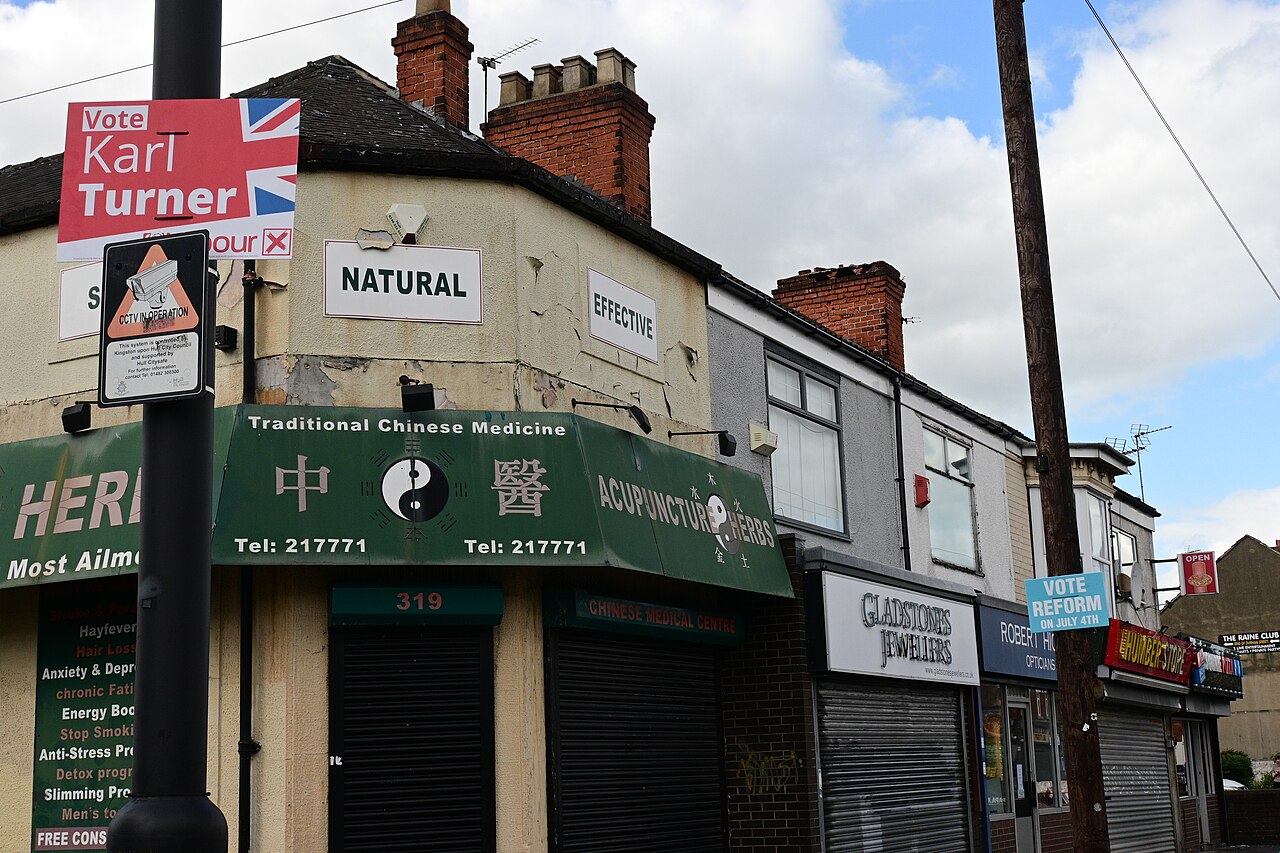
Britain's political landscape fractured overnight as Reform UK surged into more than 300 council seats, shattering Labour's 47-year hold on Tameside and signaling the end of the old two-party system. The party swept former Labour strongholds across the North, Midlands and London, capitalizing on voter frustration with mass migration, rising energy costs and a stagnant economy.
The collapse marks the first major electoral repudiation of Keir Starmer's premiership after 22 months in office. As of Friday morning, Reform captured more than 300 council seats from just 40-plus of 136 councils declared, winning approximately 30 percent of all seats contested so far. Labour lost 220 seats and control of at least eight councils, retaining only 23 percent of the seats it defended.
The loss in Tameside underscored the scale of Labour's working-class exodus. After 47 consecutive years of Labour control in Greater Manchester, Reform claimed 18 of 19 seats up for grabs that Thursday. Rob Barrowcliffe, Reform's interim chair for Tameside, told the BBC that the campaign proved voters had reached their breaking point.
"No branch in the country has knocked on more doors than in Tameside and Gorton, which had been under majority Labour control since 1979," Barrowcliffe said. "We are normal, hard-working, competent, decent people that have simply had enough."
John Curtice, Britain's leading polling expert, found Reform's gains tracked directly with areas facing the heaviest immigration pressure and economic strain. The party averaged 41 percent of the vote in wards where more than 60 percent backed Leave in the 2016 Brexit referendum. That figure plummeted to 10 percent in areas where fewer than 49 percent supported Leave.
The geographic pattern pointed to something deeper than mere anti-government sentiment. Starmer's government faces voter anger over unchecked migration, energy costs driven higher by net-zero policies and benefits expenditure that now exceeds Britain's entire income tax take.
Working-class strongholds collapsed in rapid succession across northern England. Reform won 24 of 25 seats in Wigan, Culture Secretary Lisa Nandy's own constituency. The party also captured 22 of 25 seats in Dudley and 13 of 21 in Salford, where Labour's council representation fell to its lowest level since 1978.
Lewis Quigg, who leads Reform on Oldham Council, framed the results as a revolt from the silent majority.
"I think tonight's been the people's revolt by a silent majority who have come out and voted and given a clear and decisive message: 'we are fed up with the establishment,'" Quigg told the BBC.
Starmer vowed Friday morning to serve his full five-year term despite the scale of the losses. Labour's vote share has fallen 19 points since the 2024 general election, according to Curtice's analysis.
"The results are tough, they are very tough, and there's no sugarcoating it," Starmer said in a statement at Kingsdown Methodist Church in Ealing, west London. "I take responsibility." He separately added: "Yes. It was a five-year term I was elected to do, I intend to see that through."
The Conservatives lost 107 seats under Kemi Badenoch, squeezed by Reform from below and the Liberal Democrats from above. While they reclaimed Westminster City Council from Labour, they surrendered Hampshire County Council.
Farage declared the results evidence of a historic shift in British politics. Reform now positioned itself as the nation's most broadly supported party.
"I can honestly say you are witnessing an historic shift in British politics," Farage told supporters. "This (Reform UK) is now the most national of all parties."
The realignment rippled across Britain's entire political map. In Scotland, Reform was projected to win 19 MSPs in Holyrood elections, a historic breakthrough north of the border that could deny the SNP a majority. In Wales, Labour faced losing dominance of the Senedd for the first time in more than a century, with Plaid Cymru projected to emerge as the largest party once counting concluded.
All eyes turned to Birmingham on Friday afternoon, where all 101 council seats in Britain's second-largest city were contested. Reform was projected to become the largest party and potentially take outright control, cementing the narrative of a complete political map redrawn.
Birmingham entered the election as the largest Labour council in the UK, with Labour holding 51 seats. Results expected from 6 p.m. Friday could deliver the single most dramatic data point of Britain's political transformation. Families who voted Labour for generations had cast their ballots. The old order was gone, replaced by a new political reality born from years of frustration and broken promises.