California Criminalizes Outside Election Oversight as Federal Audit Fight Escalates
California Governor Gavin Newsom signed legislation making it a felony to audit state voter rolls, intensifying a federal lawsuit over election transparency and raising alarms about the state's all-mail voting system.
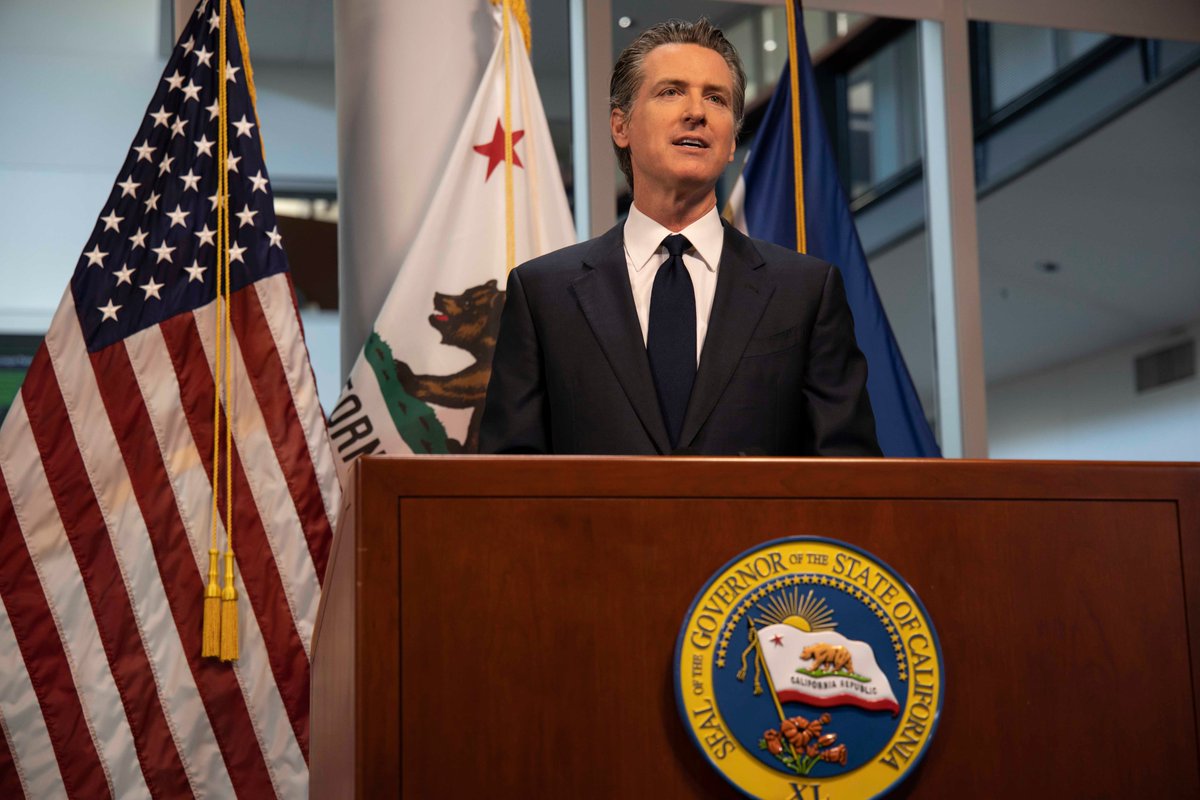
California is closing the books on its election system just as the state heads into November midterms with a record 23.1 million registered voters. Governor Gavin Newsom signed legislation last month criminalizing outside access to voter rolls, shielding the state's all-mail voting system from federal scrutiny while a lawsuit over election transparency advances through the courts.
The move sets California apart from 15 Republican-led states that have voluntarily shared complete voter registration lists with federal authorities. While those jurisdictions opened their books, California locked its doors, choosing expansion over oversight as millions of new ballots prepare to flood the system.
Federal prosecutors have spent the last 8.5 months attempting to audit California's voter rolls under authority from the National Voter Registration Act and Help America Vote Act. The Department of Justice filed suit against California and five other states on September 25, 2025, after officials refused to produce statewide registration lists.
Federal District Judge David O. Carter dismissed the DOJ's demand in January 2026, calling it "unprecedented and illegal." The department appealed, and the case now sits before the Ninth Circuit Court of Appeals.
"Clean voter rolls protect American citizens from voting fraud and abuse, and restore their confidence that their states' elections are conducted properly," Assistant Attorney General Harmeet K. Dhillon said in a September 2025 statement.
The legal battle unfolds as California reports 23,155,447 eligible voters registered, the highest total in state history. Democratic registration slipped to 44.92 percent from 46.75 percent in 2022. Republican registration climbed from 23.92 percent to 25.03 percent.
California's voter ID policies compound transparency concerns. The state accepts employee badges, health club cards, and credit or debit cards for identification under federal requirements. Newsom signed SB 1174 in September 2024, banning any California jurisdiction from adopting local voter ID laws.
A voter ID initiative now qualifies for the November ballot after collecting 1.37 million signatures, with 1.10 million projected as valid.
Then came SB 73. On May 27, Newsom signed the bill making it a crime punishable by up to three years in prison to take marked ballots from county registrar custody or give unauthorized law enforcement access to voter rolls. The Senate passed it 29-8. The Assembly approved it 57-19.
"California will not allow our elections to be commandeered by political intimidation, abuse of power, or chaotic interference from extremists chasing conspiracy theories," Newsom said in his signing statement.
The legislation followed a February 2026 incident in which Riverside County Sheriff Chad Bianco seized more than 650,000 ballots from the registrar of voters. Investigators found a discrepancy of 103 votes, within acceptable margins.
First Assistant U.S. Attorney Bill Essayli announced on June 5 that his office has multiple election fraud investigations underway in coordination with the FBI's Los Angeles field office. He provided no specifics about the cases.
"California's election system has serious structural vulnerabilities," Essayli stated. "Universal vote-by-mail with no voter ID requirements creates conditions where fraud can go undetected and unpunished, eroding public confidence."
Essayli pointed to the May 2026 guilty plea of Brenda Lee Brown Armstrong, who paid homeless individuals in Los Angeles to register to vote in federal elections. He also criticized the state's acceptance of health club membership cards and other non-government identification.
"If California genuinely wants voters to trust its elections, it should open its records, not fight to keep them closed," Essayli posted on X on June 7. "What are they afraid of?"
California Attorney General Rob Bonta dismissed fraud claims as "a figment of the imagination of Trump and others who follow that conspiracy theory." Los Angeles County Registrar Dean Logan stated there is "no evidence" of fraud.
The state's all-mail system automatically sends ballots to all 23.1 million registered voters. Ballots postmarked on or before Election Day and received within seven days qualify for counting. County officials have up to 30 days after elections to complete the tallies.
A DOJ Office of Legal Counsel memo confirms the administration's goal to cross-reference voter rolls against Department of Homeland Security databases to identify "illegal aliens who may be ineligible to vote." FEMA has made millions in election security grants dependent on states' use of the SAVE database.
California's resistance to federal audits and election security reforms sets a dangerous precedent. The state prioritizes electoral secrecy and turnout over the transparency demanded by American voters who deserve to know their elections are secure.