Obama Judge Blocks Trump's $100,000 H-1B Fee in Blow to American Workers
A federal judge struck down President Trump's $100,000 H-1B visa fee meant to protect American workers, ruling it an unconstitutional tax and triggering a legal battle that could reach the Supreme Court.
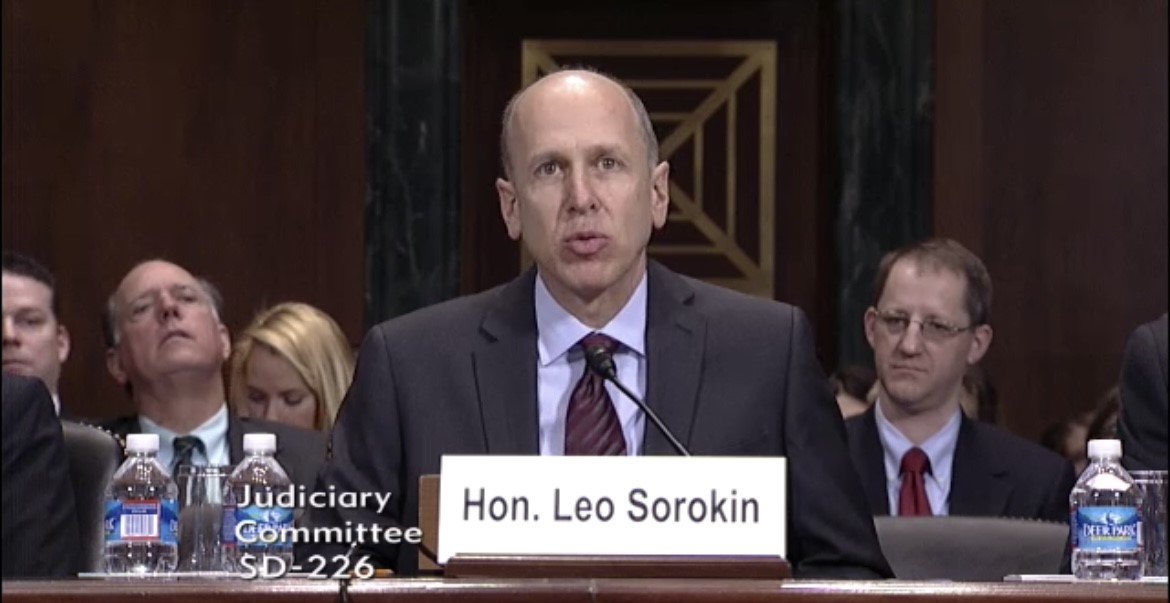
An Obama-appointed judge dealt a blow to American workers Monday, striking down President Trump's $100,000 H-1B visa fee that aimed to curb companies from importing cheaper foreign labor. U.S. District Judge Leo Sorokin ruled the administration lacked authority to impose what he called an unconstitutional tax on employers seeking specialized foreign workers.
The decision lays bare how federal courts continue to shield corporate interests from executive actions prioritizing domestic employment. It marks the latest judicial intervention blocking Trump's immigration agenda, extending a pattern of courts protecting companies that profit from cheap foreign labor programs.
The H-1B program operates as a massive subsidy for tech giants, enabling companies to suppress wages and displace American workers. Amazon secured 19,301 H-1B approvals in 2024 and early 2025. Microsoft obtained 9,914, and Apple received 8,075. Federal estimates vary on the total number of H-1B workers: USCIS placed the figure at approximately 583,000 in 2019, while other analyses suggest the population may reach 700,000. Indian nationals account for roughly 70 to 71 percent of recipients.
A National Bureau of Economic Research study found H-1B workers suppressed wages for U.S. computer scientists by up to 5 percent and reduced domestic employment in the field by up to 10 percent. The Heritage Foundation notes Indian technology firms dominate the program, driving down costs rather than addressing genuine skill shortages.
For American tech workers competing against a flood of foreign labor, the stakes extend far beyond courtroom arguments.
Twenty Democratic state attorneys general filed the lawsuit challenging Trump's September 2025 proclamation. The coalition, led by California Attorney General Rob Bonta and Massachusetts Attorney General Andrea Campbell, represents an alliance between liberal politicians and corporate tech interests seeking to preserve their cheap labor pipelines.
Judge Sorokin determined the $100,000 payment functioned as a tax rather than a lawful penalty. "Here, the substance and application of the $100,000 payment reveal that it is a tax, regardless of what the payment is called," Sorokin wrote in his 42-page ruling. He also found the administration violated the Administrative Procedure Act by implementing the policy without public comment.
The Department of Homeland Security condemned the ruling as judicial overreach. "We disagree with this blatant judicial activism dismantling President Trump's historic efforts for immigration reform," DHS stated Monday. The agency argued Trump's policies serve American citizens and families rather than foreign workers who take American jobs.
President Trump criticized the judiciary's interference with his pro-American worker agenda. "These federal judges are really giving us a hard time," Trump told reporters Monday. "They're hurting our country very badly."
White House spokesperson Taylor Rogers defended the administration's authority. "President Trump has clear legal authority to restrict entry of any class of aliens he determines is not in America's best interests," Rogers stated Monday. "The H-1B program has been abused for decades, and President Trump finally took action to fix it."
The ruling represents another front in the sustained judicial campaign against Trump's immigration reforms. A separate case brought by the U.S. Chamber of Commerce yielded the opposite outcome last December, with Obama-appointed Judge Beryl Howell upholding the fee in Washington, D.C. That decision is currently under expedited appeal.
As of Feb. 15, U.S. Citizenship and Immigration Services had received only 85 payments of the $100,000 fee, totaling $8.5 million. The administration announced it will appeal Monday's ruling, setting up a potential Supreme Court showdown over presidential authority versus congressional taxing power.
The legal battle underscores the deep structural resistance Trump faces from establishment forces determined to maintain cheap foreign labor supplies. While Trump seeks to prioritize American workers, the judiciary joins liberal politicians and corporate interests in protecting a system that disadvantages domestic labor.
For the American workers caught in the crossfire, the ruling means the fight continues — and their jobs remain on the line.