Senate Conservatives Join Democrats to Block Warrantless Surveillance
Seven Republican senators crossed party lines with Democrats to block Section 702 reauthorization, ending the government's most aggressive warrantless surveillance program and asserting Fourth Amendment protections.
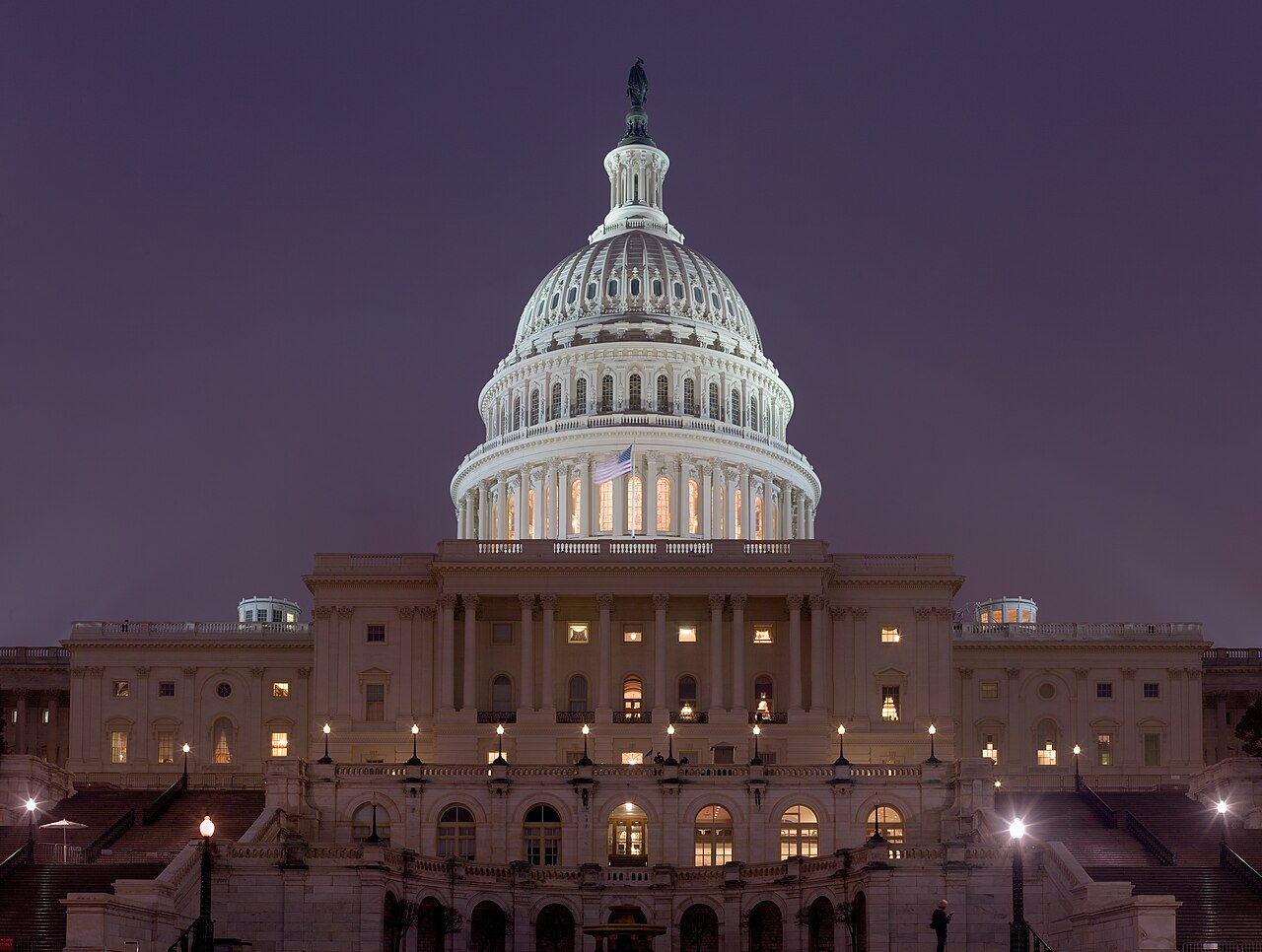
Seven Republican senators crossed party lines on June 5 to kill reauthorization of Section 702, the government's most aggressive warrantless spying tool. The 47-52 procedural vote blocked extension of the Foreign Intelligence Surveillance Act authority that expires June 12, inflicting the surveillance establishment's most humiliating defeat in a decade. The result proved ideological conservatives and libertarians have seized the mantle of Fourth Amendment defense from the left.
The seven Republican senators joined nearly all Democrats to defeat the motion. Josh Hawley of Missouri, Mike Lee of Utah, Rand Paul of Kentucky, Eric Schmitt of Missouri, Rick Scott of Florida, John Kennedy of Louisiana, and Tommy Tuberville of Alabama voted no. Only Democrat John Fetterman of Pennsylvania voted to advance the measure. The vote represented a rare legislative victory for civil liberties against government overreach, forcing the intelligence community's unchecked powers into a corner.
This bipartisan coalition marks a historic shift where constitutional conservatives now lead the fight against warrantless surveillance. For years, Section 702 authorized warrantless collection of foreign communications while sweeping up Americans' data into databases that agencies searched without warrants. The FBI used these "backdoor searches" to access communications of Black Lives Matter protesters, government officials, journalists, and Jan. 6 defendants. In one documented case, the FBI batch-searched 19,000 donors to a congressional campaign, with the Justice Department determining only eight queries had sufficient ties to foreign influence activities.
Sen. Mike Lee captured the conservative position with his simple declaration: "No warrant to protect Americans? No FISA." Reps. Clyde of Tennessee and Lauren Boebert of Colorado echoed this in a joint op-ed stating "No warrants, no FISA." Sixty percent of House Republicans voted for a warrant requirement two years ago, and this Senate vote culminates that principled stand. Sen. Ron Wyden, a Democratic privacy advocate, called the bipartisan vote "proof that reform efforts transcend red and blue."
Documented abuses provided the factual basis for the conservative-libertarian rebellion. A March 2025 Foreign Intelligence Surveillance Court opinion revealed the FBI used "filtering tools" to bypass oversight requirements Congress established in 2024 reforms. The NSA and CIA reportedly employed similar tools. The FBI accessed 6,800 Social Security numbers without warrants through Section 702 searches. These court-documented violations proved the intelligence community cannot police itself.
Bill Pulte's appointment as acting Director of National Intelligence created an insurmountable political obstacle. Pulte has no national security experience, no military service, and no intelligence background. Sen. Mark Warner told NPR Pulte was chosen because he is "100% loyal to doing anything and everything President Trump demands." Pulte already sent criminal referrals against political figures including Adam Schiff, Letitia James, and Lisa Cook, prompting a GAO investigation into whether he misused federal authority.
Warner told Senate Majority Leader John Thune he could no longer secure Democratic votes for reauthorization while Pulte remained the nominee. Rep. Jim Himes, ranking Democrat on the House Intelligence Committee, called Pulte Trump's "worst and most dangerous" appointment. "You just could not have come up with worse timing for what is probably the worst appointment into the intelligence community that I've ever seen," Himes said.
Intelligence officials scrambled as the deadline approached. Senate Intelligence Committee Chairman Tom Cotton and Sen. Chuck Grassley sent a letter to Secretary of State Marco Rubio requesting the State Department "plan for a potential significant gap in foreign intelligence collection" if Section 702 lapses. Thune called Democratic opposition "terribly irresponsible" and said the Senate "will take another run at it" next week. Himes warned Trump won't "like the terrorist attacks that might happen if there is no 702 collection authority."
The American Conservative noted Section 702 represents just one tool in the security state's arsenal. Executive Order 12333, Title I FISA, and the "data broker loophole" for commercially available data would all remain operational. Yet this vote delivers a devastating symbolic defeat to the surveillance apparatus that targeted the Trump campaign, members of Congress, and countless Americans.
The program expires June 12. An unlikely alliance of conservatives and Democrats has potentially ended a decade of warrantless backdoor searches conducted in the name of foreign intelligence. The same intelligence community that demanded unchecked powers while weaponizing surveillance against political opponents now faces accountability. Americans gained something the Constitution promised and the government long ignored: the simple right to be left alone.