Trump Threatens Kharg Invasion, Secures Iran Deal Framework
President Trump canceled planned strikes on Iran hours after threatening to seize Kharg Island, claiming Tehran approved a peace deal framework. Markets rallied as the crisis de-escalated into potential diplomacy.
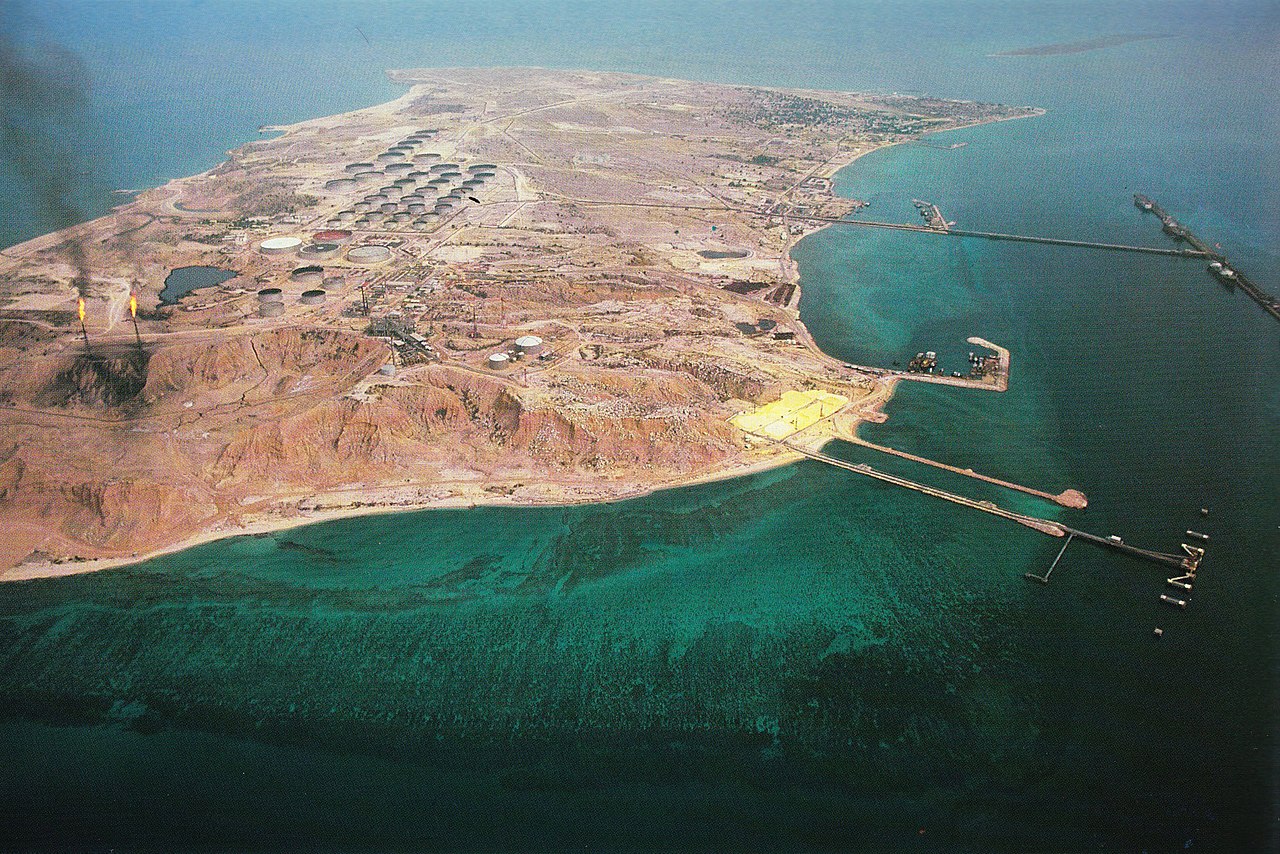
American families pumping gas at record prices got a break Thursday evening when President Trump canceled planned strikes on Iran. The reversal came hours after Trump threatened to seize Kharg Island, Iran's primary oil export hub, in what appeared to be a calculated use of maximum military pressure to force a diplomatic breakthrough.
Trump wrote on Truth Social that discussions with Iran had been "brought to the highest level of Iranian leadership and approved." He said he had canceled the scheduled strikes and bombings "as President of the United States of America."
The maneuver demonstrated that decisive military threats, rather than diplomacy alone, produced results where weeks of negotiation had stalled. Trump leveraged the credible threat of invading Kharg Island to compel Tehran into accepting a peace deal framework.
Earlier Thursday morning, Trump posted he would strike Iran "VERY HARD TONIGHT" and threatened to take control of Kharg Island, which produces roughly 90 percent of Iran's crude oil exports. In a Fox News interview hours later, he admitted his preference has always been the military option but expressed doubts about operational feasibility.
"I don't know that America has the stomach for it, to be honest," Trump told Fox & Friends. "I don't want to have boots on the ground."
The emerging framework includes a 60-day ceasefire extension covering Lebanon, reopening the Strait of Hormuz without tolls, lifting the U.S. naval blockade once the deal is signed, and launching nuclear talks during the ceasefire period.
"They will not purchase, develop in any way, shape or form a nuclear weapon," Trump told reporters in the Oval Office. "They will not have a nuclear weapon."
Iran immediately contradicted Trump's claims of final approval. Foreign Ministry spokesperson Esmaeil Baghaei told state TV, "We have not reached a final conclusion on this matter. This is a very important issue that is currently being reviewed by the relevant decision-making bodies."
Fars News Agency, linked to the IRGC, reported Iran "has not approved any draft agreement" but acknowledged a high probability that leadership will approve.
Markets reacted as if de-escalation had already occurred. The Dow Jones Industrial Average climbed 929 points, up 1.9 percent. Brent crude fell 2.9 percent to $90.38 a barrel, while West Texas Intermediate dipped 2.6 percent to $87.71. The national average gasoline price sat at $4.13 a gallon, nearly 40 percent above pre-war levels. That gap underscored the economic stakes of reopening the strategic Strait of Hormuz.
Congressional war fatigue provided political cover for Trump's announcement. The House passed a war powers resolution on June 3 by a 215-208 vote, with four Republicans joining Democrats to direct Trump to remove U.S. forces from hostilities absent congressional authorization. A Fox News poll published in May found 60 percent of voters oppose military action against Iran.
"The people are tired of suffering because of his war of choice — suffering at the gas pump, suffering at the supermarkets," said Rep. Gregory Meeks, a New York Democrat.
Republican Sen. John Hoeven of North Dakota offered a different perspective. "Think about who we're dealing with," Hoeven said. "We're dealing with Iran. They never, ever keep their word."
Qatar and Pakistan served as primary mediators between Washington and Tehran. Qatar has been in contact with both Iran and the United States to facilitate the agreement. Trump claimed Supreme Leader Mojtaba Khamenei had approved the deal. "I understand the answer is yes," Trump said, though no Iranian official has confirmed this.
Vice President JD Vance would attend the signing ceremony, which Trump said could happen "over the next few days, probably in Europe." Israel, while not a party to the memorandum of understanding, expressed appreciation for Trump's commitment to removing enriched nuclear material, dismantling enrichment infrastructure, and ending Iranian proxy support.
A diplomat familiar with talks estimated only a 50 percent chance the deal will survive final procedures and implementation. The framework leaves unresolved the mechanism for releasing $6 billion to $12 billion in frozen Iranian assets. Washington favors a phased approach tied to humanitarian goods, while Tehran demands a lump sum.
The episode revealed Trump's playbook: escalate militarily to create negotiating leverage, then claim diplomatic victory. Whether Tehran ultimately signs or backs away, the threat to Kharg Island achieved its immediate purpose. It forced Iran to the table and de-escalated markets without requiring actual invasion.