Iran's Oil Leverage Backfires as U.S. Blockade Tightens
U.S. Navy seized an Iranian cargo ship attempting to breach the naval blockade, marking the first kinetic action against commercial shipping as Tehran's aggressive closure of the Strait of Hormuz drives up energy costs.
American families feel the strain at the gas pump. Average U.S. gasoline prices sit at $4.12 per gallon, and Treasury Secretary Scott Bessent calls the economic pain "worth taking" to counter Iranian nuclear ambitions. The economic pressure comes as Tehran aggressively closes the Strait of Hormuz, a critical waterway through which roughly 20 percent of global oil supplies pass.
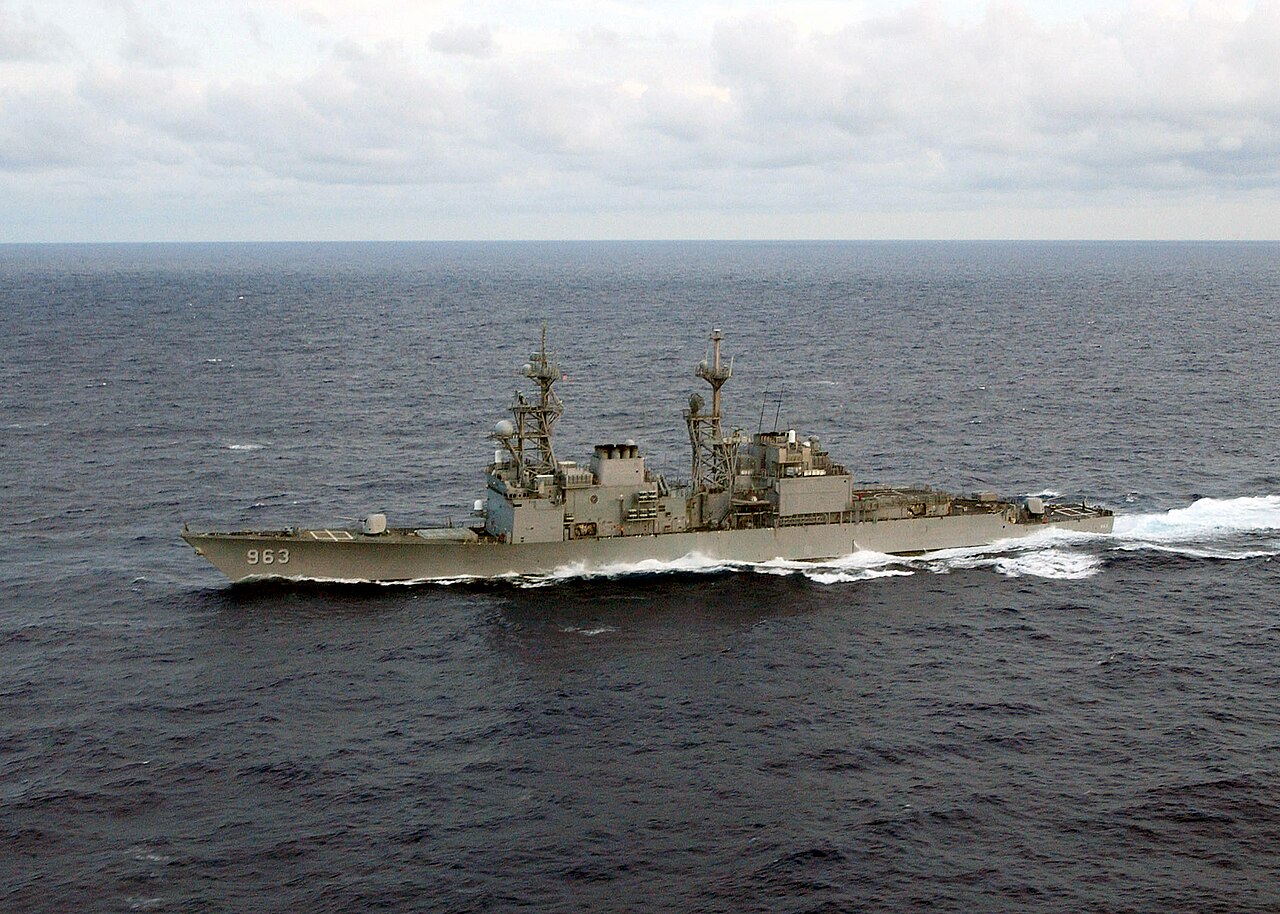
The confrontation that fueled this surge began near the Strait of Hormuz on Sunday. U.S. Navy forces seized an Iranian cargo ship after the vessel attempted to breach America's naval blockade, marking the first kinetic action against commercial shipping in the ongoing conflict. The guided-missile destroyer USS Spruance fired 5-inch gun rounds into the engine room of the Iranian-flagged TOUSKA, disabling its propulsion.
President Donald Trump announced the seizure, stating the 900-foot vessel "tried to get past our Naval Blockade, and it did not go well for them." U.S. Central Command reported American forces issued multiple warnings over six hours before disabling the ship's propulsion. U.S. Marines from the 31st Marine Expeditionary Unit later boarded the TOUSKA, which remains in U.S. custody.
The TOUSKA incident occurred amid a massive U.S. blockade of Iranian ports that began April 13, involving over 10,000 service members, 12 warships and 100 aircraft. Since the blockade's implementation, American forces have redirected 25 commercial vessels attempting to reach Iranian ports. Admiral Brad Cooper, CENTCOM commander, stated the operation has "completely halted economic trade going into and out of Iran by sea," while President Trump said Tehran is losing an estimated $500 million daily.
Iran's top joint military command, Khatam al-Anbiya, called the seizure "armed piracy" and vowed retaliation "soon." Foreign Minister Abbas Araghchi accused the U.S. of showing "bad intentions and lack of seriousness in diplomacy." The Iranian response comes as Tehran continues to blockade the Strait of Hormuz itself, creating a dual-standoff that has paralyzed global shipping through the critical chokepoint.
The economic consequences are immediate and severe. Approximately 800 ships remain stranded in the Gulf, including 400 oil and gas tankers. Analysts estimate roughly 250 of those tankers are carrying 165 million barrels of crude and products. Over 20,000 seafarers are stuck aboard vessels as Iran maintains its closure of the waterway.
Oil prices surged Monday as markets priced in the heightened risk. West Texas Intermediate crude jumped 7.5 percent to $90.22 per barrel, while Brent crude gained 6.5 percent to $96.27. The price surge underscores the global economic impact of Iran's aggressive actions and the U.S. response.
Diplomatic efforts face significant challenges as a two-week ceasefire approaches its April 22 expiration. The first round of talks in Islamabad ended without agreement, with the U.S. proposing a 20-year suspension of Iranian nuclear enrichment against Tehran's counter-offer of three to five years. Iranian state media reported rejection of a second round of negotiations, though Pakistani mediators continue efforts.
International shipping faces escalating threats. UK Maritime Trade Operations raised its threat level to "Critical" after Iranian gunboats fired on at least two vessels. French shipping company CMA CGM confirmed "warning shots" at one of its container ships, while India summoned Iran's ambassador after attacks on two Indian-flagged ships.
The U.S. action represents defensive enforcement against a hostile regime that has repeatedly threatened regional stability. As Trump noted, "The United States loses nothing" from the standoff, while Iran hemorrhages revenue and global markets adjust to Tehran's aggressive posturing. The administration's firm stance stands in stark contrast to previous approaches that allowed Iranian aggression to flourish unchecked.