Ceasefire Expires Wednesday: Iran Must Capitulate or Face Bombing Renewal
With the US-Iran ceasefire expiring April 22 and American naval blockade strangling Tehran's oil exports, President Trump demands a final nuclear deal or threatens renewed bombing.
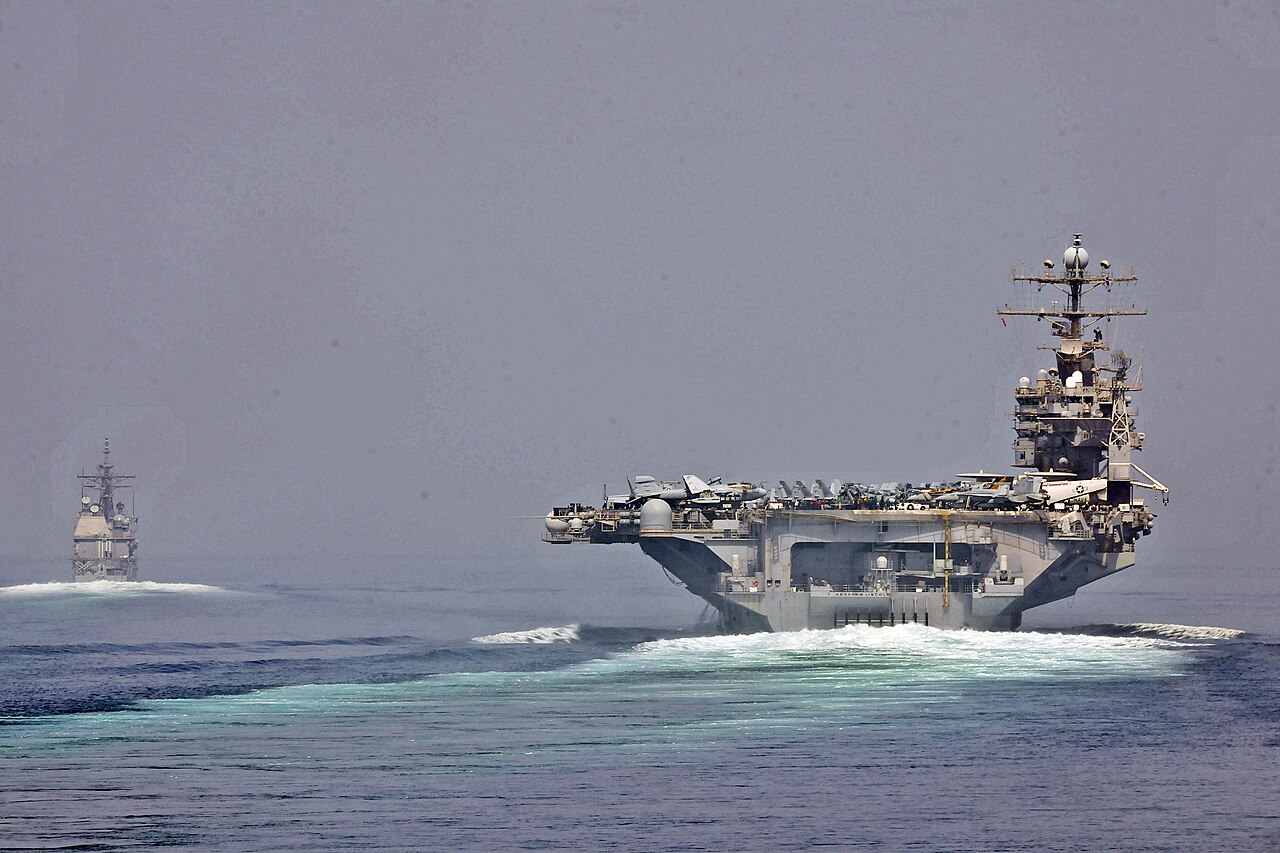
The clock is ticking on the Iranian regime's survival. With the US-Iran ceasefire expiring April 22 and the American naval blockade strangling Tehran's oil exports to zero, President Trump has made clear that either a final nuclear deal is signed or American bombers return to the skies.
Trump's maximum pressure strategy combines naval blockade, economic sanctions and military threats. The approach has pressured the Iranian regime into nuclear negotiations. "Maybe I won't extend it, but the blockade is going to remain," Trump told reporters aboard Air Force One. He added that the US would have to start dropping bombs again if no deal is reached.
Iran's desperate flip-flop on the Strait of Hormuz exposes the regime's weakening position. Foreign Minister Abbas Araghchi declared the vital waterway "completely open" on April 17, only to have Iran's Joint Military Command reverse course just hours later. "Control of the Strait of Hormuz has returned to its previous state," the military command announced April 18, placing it "under strict management and control of the armed forces."
Trump refused to blink. "The naval blockade will remain in full force and effect as it pertains to Iran, only, until such time as our transaction with Iran is 100% complete," he stated April 17. The rapid reversal demonstrates Iran's failed attempt to leverage Hormuz reopening as a bargaining chip, exposing the regime's lack of unified strategy.
The blockade has achieved its strategic objective of strangling Iranian maritime commerce. U.S. Central Command reports 21 ships turned back since the blockade began April 13. Adm. Brad Cooper stated April 15 that "an estimated 90% of Iran's economy is fueled by international trade by sea" and that U.S. forces "have completely halted economic trade going into and out of Iran by sea."
Iran faces an economic death spiral with limited time to survive. The U.S. Treasury will not renew a 30-day sanctions waiver for Iranian oil exports expiring April 19. Iran's onshore oil storage capacity stands at just 13 days before fields must shut down completely. The regime's internet shutdown has lasted 50-plus days, costing the economy tens of millions daily.
Nuclear negotiations represent Iran's only off-ramp from complete economic collapse. A three-page memorandum of understanding is under discussion, with Pakistan's Field Marshal Asim Munir completing a three-day mediation visit to Tehran (April 15-17). Trump claims significant progress. "Most of the points are already negotiated and agreed to," he stated April 17-18. "We're very close. Looks like it's going to be very good for everybody."
The critical bargaining chip remains Iran's uranium stockpile. It holds more than 900 pounds, approximately 408 kg, enriched to 60% purity, per JPost citing available estimates. Trump claims Iran agreed to hand over what he called "nuclear dust," while Tehran publicly denies any such agreement. The discrepancy shows Trump negotiating from overwhelming strength while Iran publicly resists terms it may have privately accepted.
Global markets and international officials express cautious optimism. Oil prices dropped 9-10% when the Strait briefly opened April 17, with West Texas Intermediate falling to approximately $85-86 per barrel. British Foreign Secretary Yvette Cooper stated April 18 that reopening the Strait "helps all of our economies right across the world that are currently being held hostage."
More than 12 countries have offered assets for a defensive mission to protect shipping through the strategic chokepoint, which carries 20% of global oil and LNG trade. Trump dismissed NATO as a "paper tiger" while acknowledging international support.
As the April 22 deadline approaches, the Iranian regime faces its starkest choice in decades: surrender its nuclear ambitions under American terms or face renewed bombing that could collapse the government. The message from Washington remains unambiguous — maximum pressure works, and Tehran's bargaining power evaporates by the hour.