U.S. Targets Cuban Security Apparatus as Fuel Depletes
Washington sanctions Cuban security officials as the island's energy grid collapses, leaving millions without power and hospitals facing a massive surgery backlog amid mounting humanitarian crisis.
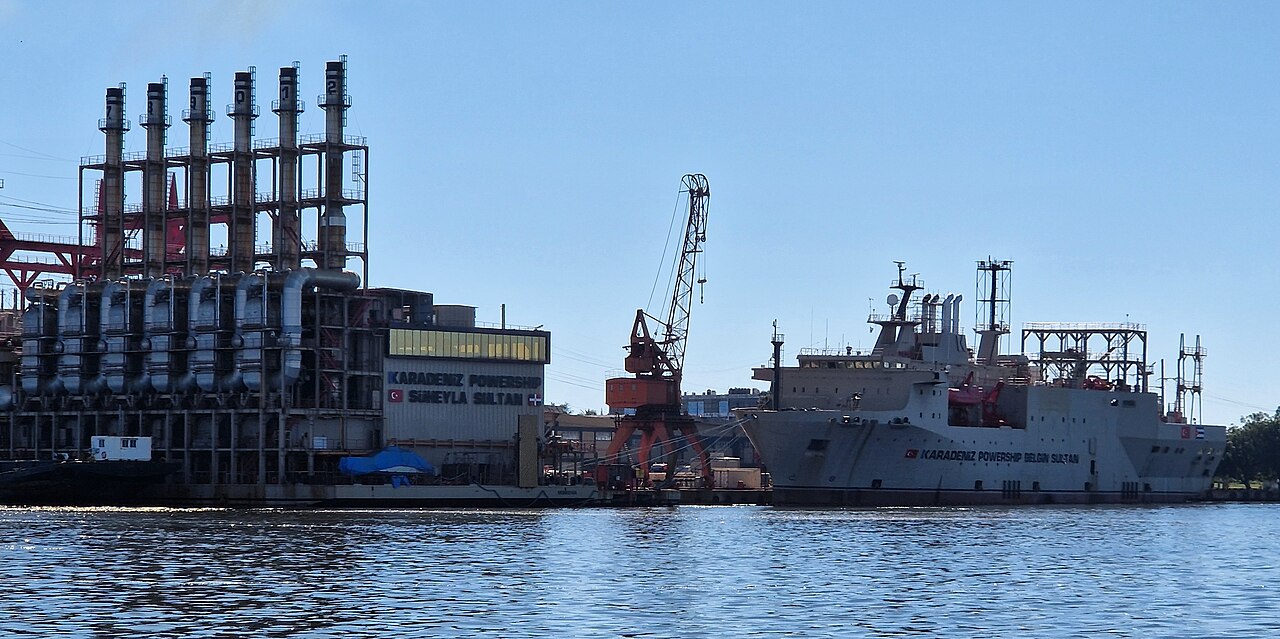
Cuba's energy grid has collapsed. Ten million people now face days without electricity, with the island's diesel and oil reserves completely depleted. The communist regime confronts total economic implosion after Washington severed its Venezuelan lifelines and offered humanitarian aid that Havana refused.
Washington tightened its grip on the failing dictatorship Monday, sanctioning 11 officials and three state agencies responsible for repressing Cuba's population. The Trump administration's sweeping sanctions accelerate the collapse of a communist system that prioritizes its own survival over starving citizens, marking a strategic shift from passive observation to actively dismantling the regime's power structure.
"I designated 11 Cuban regime elites and three government organizations, including government officials and military figures associated with Cuba's security apparatus, many of whom are responsible for or have been involved in repressing the Cuban people," Secretary of State Marco Rubio stated May 18. "Additional sanctions actions can be expected in the following days and weeks."
The targeted entities include the Ministry of Interior, National Revolutionary Police, and Directorate of Intelligence. Officials sanctioned include Energy Minister Vicente de la O Levy, who admitted Cuba has "absolutely nothing" left in diesel fuel and oil reserves, and Justice Minister Rosabel Gamon Verde. The sanctions freeze all assets under U.S. jurisdiction and ban Americans from doing business with targets.
The economic reality behind the sanctions reveals a socialist alliance in collapse. Cuba needs eight fuel tankers monthly but received only one Russian shipment since January's blockade began. Venezuela, Cuba's central oil lifeline, stopped deliveries after the capture of President Nicolás Maduro on Jan. 3.
The human toll grows sharper by the day. The energy deficit now exceeds 2,000 megawatts during peak demand. Health services face a 96,000-plus surgery backlog, including 11,000 operations for children. Public protests erupted in Havana neighborhoods last week over blackouts.
Yet the regime refuses humanitarian aid while its people face blackouts. The State Department offered $100 million in direct assistance and satellite internet support May 13, proposing distribution through the Catholic Church and independent organizations. Havana rejected the offer.
Mexico sent its fifth aid shipment, delivering 1,700 tons of powdered milk and beans via a Panamanian-flagged merchant ship rather than its navy.
President Miguel Díaz-Canel warned Monday that any U.S. military attack would "provoke a bloodbath with incalculable consequences." Foreign Minister Bruno Rodríguez dismissed drone acquisition reports as "fraudulent case" fabrications intended to justify invasion.
Behind the rhetoric, classified intelligence cited by Axios May 17 indicates Cuba acquired more than 300 military drones from Russia and Iran since 2023. Sources described concept operations for attacks on Guantanamo Bay, U.S. vessels, and possibly Key West, Florida.
"For more than 60 years, the Cuban regime has prioritized its Communist ideology and personal wealth over the well-being of its own citizens while allowing for the exploitation of Cuba for foreign intelligence, military, and terror operations," a State Department fact sheet stated May 18, 2026.
Diplomatic channels remain active even as pressure mounts. CIA Director John Ratcliffe visited Havana May 14 for meetings with intelligence officials. The Justice Department reportedly prepares an indictment against 94-year-old former leader Raúl Castro for the 1996 shootdown of two civilian planes that killed four Americans.
The current pressure campaign dismantles a failed socialist experiment that has prioritized ideology over human survival for over six decades. With Venezuelan oil gone and Washington targeting the military conglomerate controlling 40 to 70 percent of Cuba's economy, the era of appeasement has ended.
Maximum economic pressure now stands as the only effective tool to liberate Cubans from a system that consistently chooses political control over citizen survival.