Meta Slashes 15,000 Jobs to Fund AI Infrastructure Surge
Meta cuts 15,000 positions to redirect billions toward AI infrastructure, signaling a fundamental shift in how technology companies create value with fewer employees.
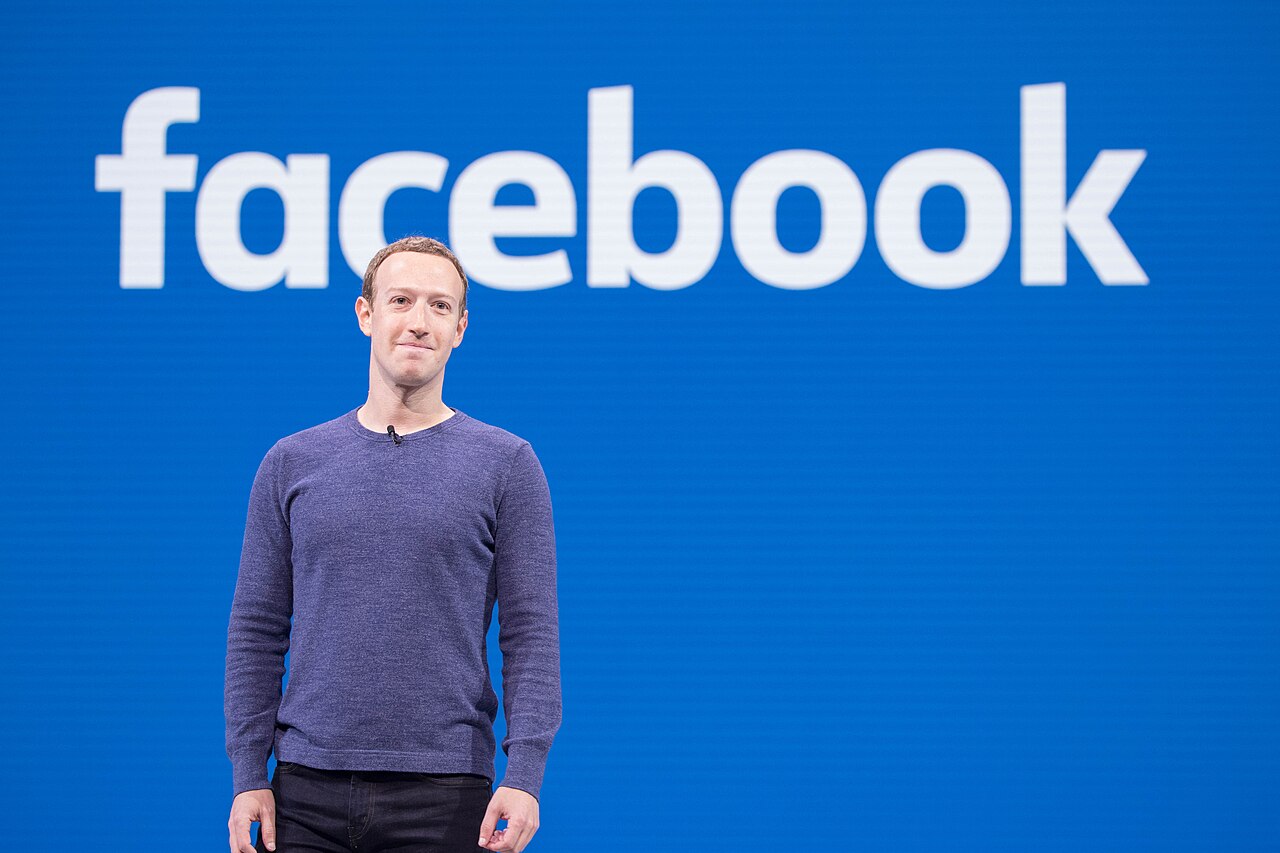
Meta is cutting 15,000 jobs not to save money, but to spend $600 billion on AI, data centers, and the future of computing—and Wall Street is cheering.
The social media giant confirmed 700 layoffs across Reality Labs, Facebook, recruiting, sales and global operations on March 25, but that represents just the first wave of a sweeping 20 percent workforce reduction. The broader plan targets approximately 15,000 positions from Meta's current 79,000 employees, according to Reuters sources familiar with the strategy. Those 15,000 jobs represent the human cost of a $600 billion bet.
This massive workforce reduction funds an unprecedented capital expenditure surge. Meta plans to spend $115 to $135 billion on AI infrastructure in 2026 alone, nearly doubling its 2025 investment. The company committed $600 billion for U.S. data center expansion through 2028, including a recent $10 billion investment in its Texas El Paso facility. Every dollar saved on payroll flows directly into silicon and server racks.
"We're elevating individual contributors, and flattening teams," Meta CEO Mark Zuckerberg wrote in a January 28 internal memo. "We're starting to see projects that used to require big teams now be accomplished by a single very talented person."
The pivot from human capital to compute power represents a fundamental reimagining of tech workforce economics. Meta's acquisition of Scale AI for $14.3 billion last June and the hiring of its CEO Alexandr Wang as Chief AI Officer signals the company's new talent strategy: elite specialists over abundant generalists. The message to employees is clear—specialized excellence matters more than headcount.
Internal metrics validate the shift. Meta's Scalable Machine Learning organization targets 50 to 80 percent AI-assisted code by February 2026. The company aims for a 50-to-1 employee-to-manager ratio, up from 12.1-to-1 in 2025. These numbers reflect a workplace where technology does the heavy lifting.
Investors endorse the strategy. Meta shares climbed 3 percent on March 16 following layoff reports. Analysts project the workforce reduction could generate $6 billion in cost savings and boost adjusted core earnings by 5 percent.
"That's not like, okay, in 2026, the ROI is this in 2027, the ROI is this and so on, which pains me, to be clear," Meta CFO Susan Li told a Morgan Stanley conference in January. "We have to be willing to sort of make temporal bets."
The market reaction contrasts with typical layoff responses, where workforce reductions signal corporate distress. Here, investors view Meta's move as rational capital reallocation from payroll to compute power. This isn't a company in trouble—it's a company betting big on its future.
Meta's strategy distinguishes it from other tech firms implementing AI-related cuts. Amazon eliminated 16,000 positions in January, Block cut 4,000 in February, and Atlassian reduced its workforce by 1,600 in March. But Meta's scale and explicit AI investment clarity set it apart.
"If Meta succeeds in redrawing the blueprint for an AI-enabled organization... others will rush to replicate it," Bernstein analyst Mark Shmulik wrote in a recent report. He predicted the 20 percent cut could save $2 to $4 billion in 2026 and $5 to $8 billion in 2027.
The company's data center expansion forms the physical backbone of its AI ambitions. The company also partnered with Nebius on a $27 billion AI infrastructure agreement over five years. These concrete investments anchor Meta's digital transformation.
Meta's internal restructuring reflects the new reality. The company introduced AI Builder, AI Pod Lead and AI Org Lead titles in its Reality Labs division. Performance reviews now include "AI-driven impact" as a core expectation, according to an internal memo from Head of People Janelle Gale.
"This doesn't have to stop at 20 percent," Rosenblatt Securities analyst Barton Crockett noted. "There could be more down the road if AI is truly this impactful on staff productivity."
The transformation extends beyond engineering. Meta's Creation organization, responsible for Messenger, WhatsApp and Facebook, expects 65 percent of engineers to write more than 75 percent of committed code using AI tools by mid-2026. The tools are changing how work gets done across the entire company.
Zuckerberg's vision represents more than corporate restructuring—it signals a fundamental shift in how technology companies create value. Productivity, not headcount, defines the new competitive landscape.
"Developing superintelligence is coming into sight," Zuckerberg wrote in his January memo. "We have the capital from our business to do this."
As Meta redirects billions from salaries to servers, it establishes a template for the next decade of technological innovation. The company bets that AI-augmented individual contributors will outperform traditional teams, creating more value with fewer people.
Wall Street's approval suggests investors agree. The market rewards forward-looking capital allocation, even when it requires difficult workforce decisions. Meta's pivot demonstrates that in the AI era, strategic investment in infrastructure trumps maintaining legacy organizational structures. For every employee leaving, Meta is building something far more powerful—and far more expensive.