Sixteen Years of Government Healthcare Intervention Delivers Unaffordable Care
After sixteen years of government healthcare intervention, 61% of Americans now worry most about healthcare affordability — a crisis exposed when pandemic subsidies expired.
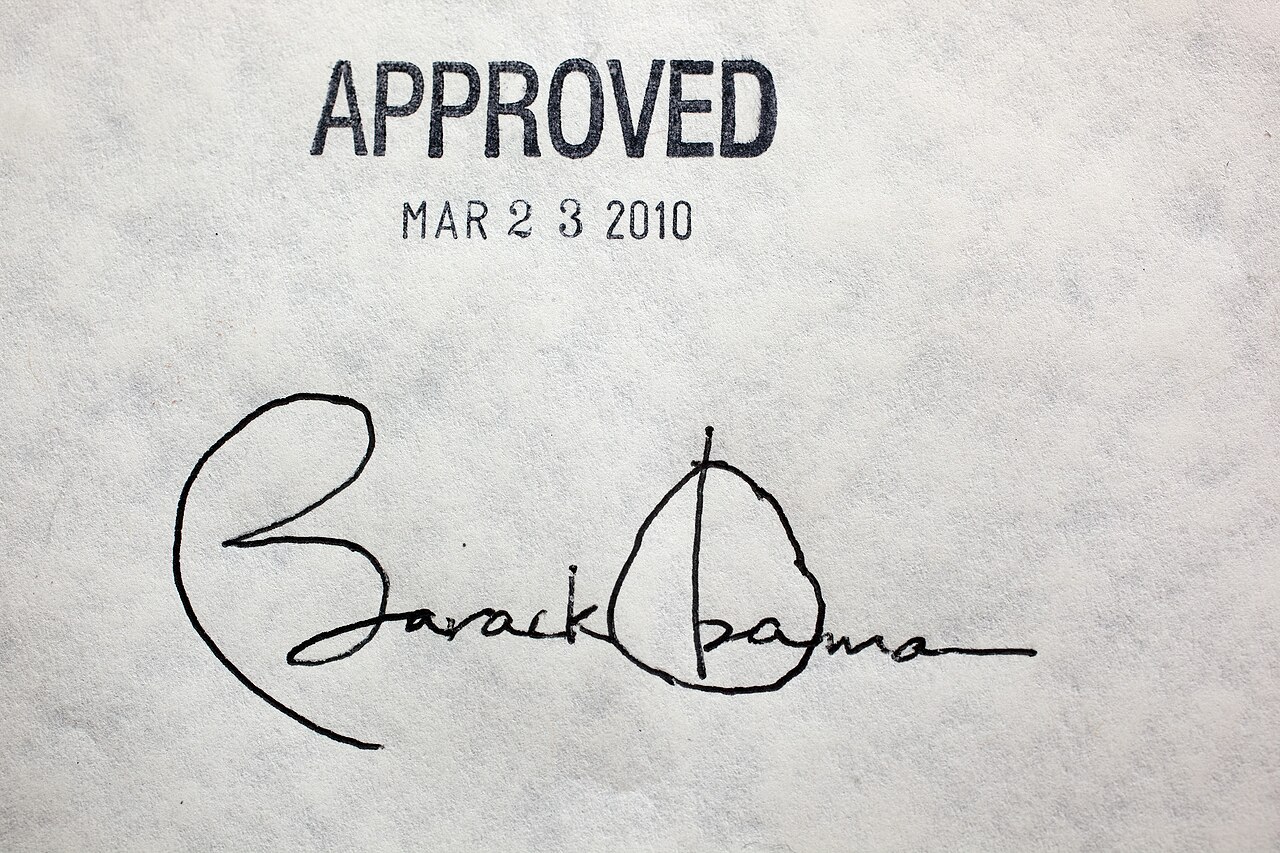
Sixteen years after the Affordable Care Act was sold as the answer to healthcare costs, 61% of Americans now worry most about healthcare affordability — more than inflation, the economy, or immigration. When pandemic-era subsidies expired at the end of 2025, it revealed what policymakers knew but never admitted: the system ran on artificial support, not market competition.
Gallup's March survey shows healthcare access and affordability now top 16 domestic policy areas, leading the economy by 10 percentage points and inflation by 11. A Fox News poll from December puts concern even higher, with 86% of voters "extremely" or "very" concerned about healthcare costs. This resurgence mirrors the 2015-2020 period when healthcare dominated public discourse before being temporarily displaced by economic issues.
Centers for Medicare and Medicaid Services data reveal the collapse that followed subsidy expiration. Average out-of-pocket premiums for ACA marketplace plans jumped 58% from $113 in 2025 to $178 per month in 2026. Enrollment dropped by 1.2 million people as consumers shifted to bronze plans. According to KFF analysis, bronze plans have deductibles averaging more than $7,000 per person.
The Kaiser Family Foundation's follow-up survey of returning marketplace enrollees shows 80% report higher costs for their 2026 plans, with 51% saying costs are "a lot higher." This establishes the subsidy expiration as a structural shock, not a minor adjustment in a functioning market.
Human costs have become household crises. Fifty-five percent of returning enrollees say they cut back spending on food or basic household items to afford healthcare. Nine percent of 2025 enrollees are now uninsured, while one in six lack confidence they can afford monthly premiums for all of 2026.
A Wisconsin man, 62, told KFF researchers his 2025 plan "tripled in price to $360/month" forcing him to switch plans. "Even it was higher than the plan I had in 2025," he stated. A Texas man, 34, said his $800 monthly premium for two people would require choosing between insurance and his mortgage.
The dramatic price increases after subsidy expiration demonstrate systemic subsidy dependence rather than market-driven pricing. If competition were working, prices would have stabilized through market mechanisms. Instead, the regulatory framework created artificial pricing that collapsed when support was removed.
The PAN Foundation's January poll shows 59% of all Americans experienced premium increases in 2026, with 66% of Medicare enrollees and 69% of commercially insured also seeing hikes. This confirms the problem extends beyond the ACA marketplace to the broader healthcare system.
Cross-partisan polling data reveals 72% of Republicans, 80% of Independents, and 89% of Democrats are extremely or very concerned about healthcare costs. The failure transcends partisan lines and reflects a systemic problem that has persisted across political administrations.
House Ways and Means Committee Chairman Jason Smith (R-MO) criticized 16 years of Obamacare at an April 16 hearing. "Sixteen years after Democrats promised Obamacare would be the silver bullet for lowering prices, health care costs and insurance company profits have never been higher," Smith stated.
The data demands market-based solutions rather than more regulatory intervention. Healthcare spending now totals $5.3 trillion annually with six in 10 Americans having at least one chronic disease, according to committee testimony.
Tim Malloy, Quinnipiac polling analyst, noted in March that "healthcare costs may be what's keeping them (voters) up at night the most." The Quinnipiac survey found healthcare costs are the top financial concern for 21% of voters, ahead of food prices, mortgage/rent, and gas prices.
The return of healthcare to the top of domestic concerns after its 2020 displacement signals a chronic structural failure rather than a temporary economic phenomenon. Sixteen years of government intervention have produced the opposite of promised outcomes, leaving Americans to choose between healthcare and basic necessities.