Britain Blocks 111 Oil Fields While Iran War Spikes Energy Prices
A Telegraph investigation reveals Labour's windfall tax and drilling ban have frozen 3.5 billion barrels of domestic oil equivalent as the Iran war drives UK energy prices to crisis levels.
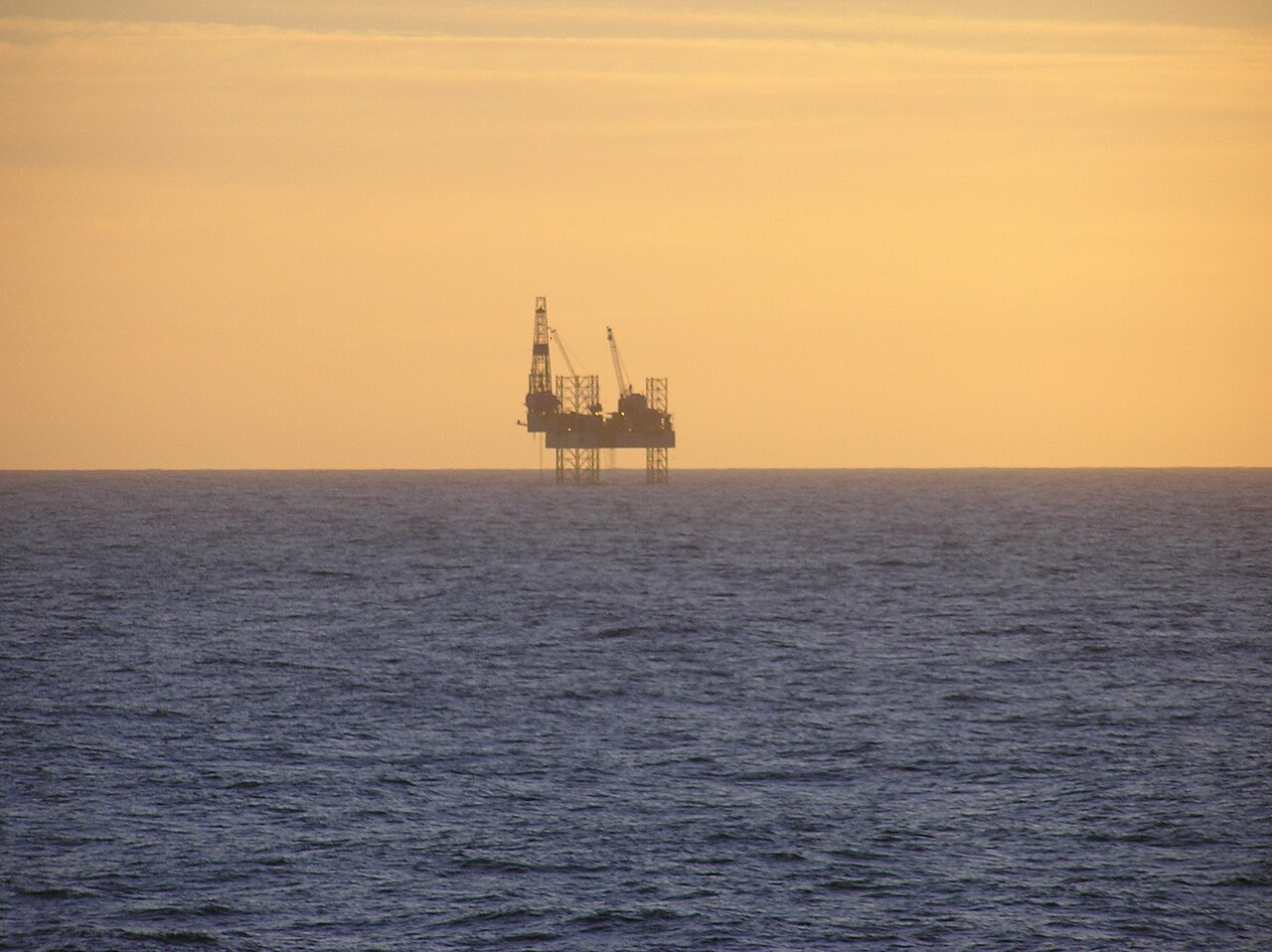
With global energy markets in turmoil and household bills surging, Britain is sitting on 3.5 billion barrels of untapped oil and gas — and a government policy ensuring they stay underground. A Telegraph investigation published April 5 found that 111 North Sea fields remain blocked from development as the Iran war chokes global hydrocarbon supply and sends UK energy prices spiraling. Labour's windfall tax and exploration ban have rendered those fields unviable under current fiscal rules, leaving Britain to import expensive foreign alternatives at the worst possible moment.
Iran's closure of the Strait of Hormuz has blocked roughly 20 percent of global LNG supply since late February, Oxford Energy analysis shows. Brent crude peaked at $126 per barrel in March. UK gas prices jumped more than 50 percent. The International Monetary Fund now warns Britain faces "one of the largest shocks" from the Middle East conflict.
The mechanism strangling domestic production is Labour's Energy Profits Levy, which imposes a 78 percent headline tax rate on oil and gas companies — combining a 38 percent windfall tax with an existing 30 percent corporation tax and a 10 percent supplementary charge. Energy Secretary Ed Miliband also banned new exploration licenses. Together, the measures have made all 111 projects uneconomic.
Those projects are not abstract reserves. They include 51 new fields in British waters plus 60 extensions to existing fields. Offshore Energies UK data shows they require £50 billion in private investment and could generate £63.9 billion in tax revenue over the next decade under reform — compared with £32.9 billion under current policy. Every month of delay narrows that gap.
Miliband defends the blockade with a core argument about market structure. "Issuing new licences to explore new fields cannot give us energy security and will not take a penny off bills," the government spokesperson states. "Regardless of where it comes from, oil and gas is sold on international markets, which set the price for British billpayers — making us a price taker."
Independent analysis contradicts that position. Stifel research shows the UK saved £2.5 billion in 2025 by using domestic North Sea gas versus importing LNG. Britain currently imports approximately 40 percent of its energy: 39 percent comes from the North Sea, 45 percent arrives from Norway via pipeline, and the remainder lands as expensive LNG shipments vulnerable to exactly the kind of disruption now unfolding in the Persian Gulf.
The political pressure against Miliband sharpened further when the Financial Times reported April 7–8 that 65 "leading UK scientists" signed an open letter urging the government to abandon North Sea drilling entirely in favor of renewables. Tilak Doshi of the Daily Sceptic dismissed the letter as "ideology masquerading as science."
Within his own political coalition, Miliband's position has grown increasingly exposed. Unite Union's Sharon Graham cut Labour funding by 40 percent last month. "The Government's energy policies in both Westminster and Holyrood are putting jobs and energy security at risk," Graham states. "This is an act of self-harm, and Labour will certainly pay the price in the May elections." The warning lands with particular force coming from one of Labour's most significant financial backers.
Dissent is spreading beyond union halls. Octopus Energy CEO Greg Jackson, whose company represents green energy interests, argues for more production. "Ideology, wishful thinking, nostalgia and culture wars don't provide actual solutions," Jackson tells the Telegraph. "While the price is set globally, there's no point shipping gas from the other side of the world when we have it here."
British Gas CEO Chris O'Shea echoes that judgment. "It would definitely make a difference but it wouldn't make a difference just in the UK, it would make a difference across Europe," O'Shea states. Chancellor Rachel Reeves told reporters she would be "very happy" to support drilling at Jackdaw and Rosebank fields — a direct break with Miliband's position that exposed cabinet-level fractures.
Even Scottish National Party leader John Swinney softened his opposition to exploration in response to the Iran war's impact. "Energy security should be considered in any new decisions on further exploration," Swinney states — a marked shift in SNP policy that reflects how broadly the crisis is reshaping political calculations.
The stakes behind the policy debate are measured in livelihoods. The offshore energy sector currently supports 200,000 jobs, including 90,000 in Scotland. OEUK Chief Executive David Whitehouse warns that current policy could result in 1,000 jobs lost per month. "Our proposal will unlock immediate investment, secure tens of thousands of jobs and deliver more tax, not less," Whitehouse argues.
GMB union leader Gary Smith delivers the harshest warning. He says Labour risks presiding over "what Thatcher did to Middlesbrough in the 1980s" in Aberdeen, and calls North Sea policy "utter madness" as Iran cuts global supply. The comparison to deindustrialization's most painful chapter is not one Labour's leadership will find easy to shake.
The Jackdaw gas field decision now looms as an immediate test case. Project information submitted to regulators indicates the field could contribute around 6.5 percent of UK continental shelf gas production at peak. The application predated Labour's election victory, placing Miliband in a difficult position between mounting energy security demands and his climate commitments.
Government sources believe Miliband's decision may be delayed until after Scotland's election on Thursday, May 7. Unite's Graham has promised electoral consequences if Labour maintains its blockade on domestic energy production through a global crisis — and in Aberdeen's oil towns, where the rigs have already gone quiet, that promise needs no elaboration.