Texas Grid Operator Says Data Center Demand Forecast Is Inflated
Texas regulators rejected ERCOT's preliminary forecast projecting data center electricity use could increase 30-fold by 2032, signaling they will impose cost discipline on the AI boom rather than pass the bill to ratepayers.
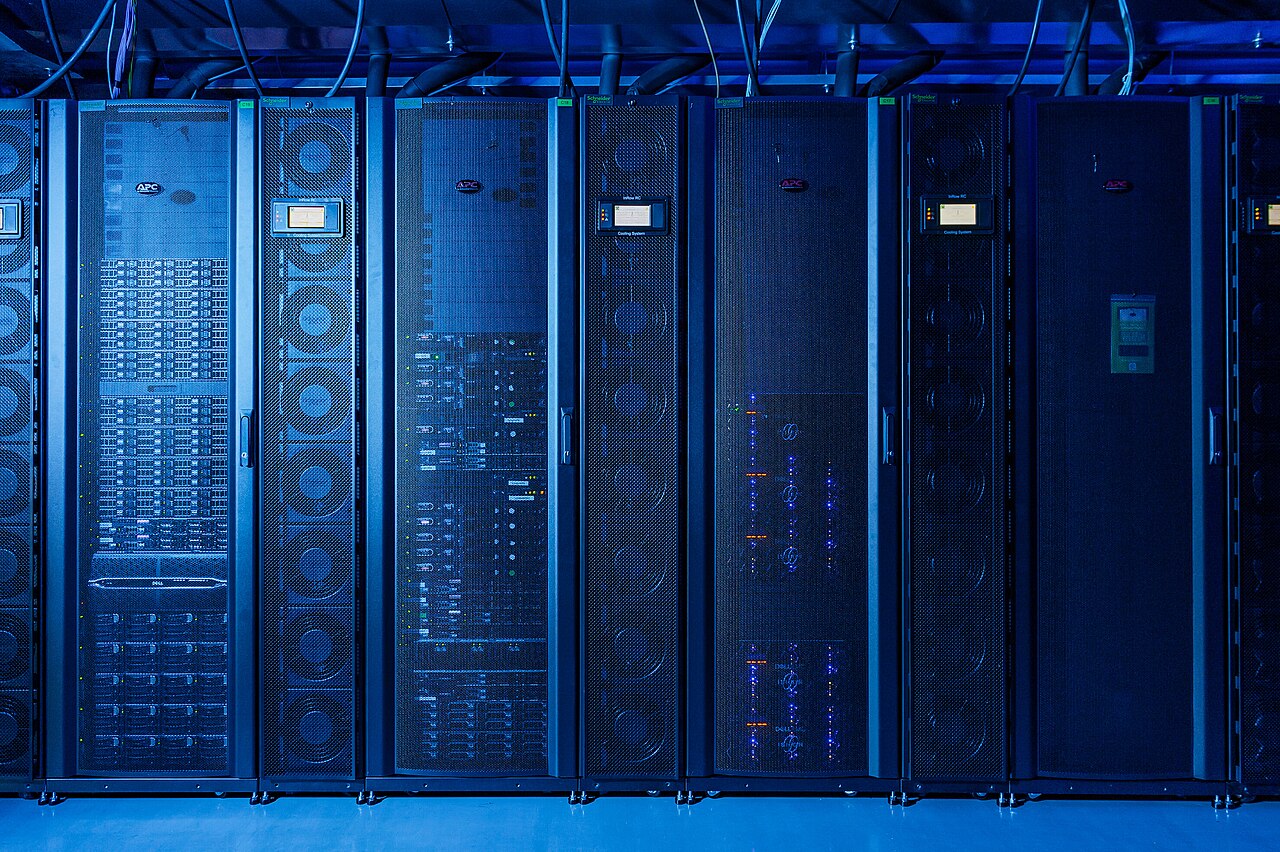
Texas' own grid operator told regulators last week that a projection of 368,000 megawatts of peak electricity demand by 2032 is almost certainly wrong. The number is inflated, based on speculative data center requests that may never materialize. The admission arrived as the Public Utility Commission sent the Electric Reliability Council of Texas back to the drawing board, rejecting a preliminary forecast that projected data center electricity use could increase 30-fold in six years.
The move exposes a widening gap between Silicon Valley's ambitions and the physical, economic realities of building energy infrastructure. Texas regulators are signaling they will impose cost discipline on the artificial intelligence boom rather than rubber-stamp expansion at ratepayer expense.
Public Utility Commission Chair Thomas Gleeson stated flatly at an April 17 meeting that regulators need to "engage in the process to look at ways to refine this number to something that's more usable." Commissioner Courtney K. Hjaltman warned that forecast accuracy is critical for every decision the commission makes. "ERCOT's long term load forecast is the backbone of so much of what we do here," Hjaltman said. "Every decision that we make as commissioners and everybody else makes really depends on the accuracy of the forecast."
The numbers that triggered the regulatory backlash are staggering. ERCOT's preliminary forecast projected 367,790 megawatts of peak demand by 2032 — more than four times the all-time record of 85,508 megawatts set in August 2023. Data centers alone would account for 228,000 megawatts of large-load demand by 2032, a 30-fold increase from 2026 levels. Total large-load submissions reached approximately 243,000 megawatts.
This projection stems from an unprecedented wave of AI and cryptocurrency investment. ERCOT CEO Pablo Vegas told the House State Affairs Committee in early April that the grid operator is tracking approximately 410,000 megawatts of large load requests, with 87 percent for data centers. Texas now hosts between 411 and 444 operational or planned data centers. Google committed $40 billion for multiple Texas facilities, while Microsoft took over an Abilene expansion after OpenAI dropped further plans.
The physical reality cannot accommodate Silicon Valley's digital ambitions. Joshua Rhodes, a research scientist at the University of Texas at Austin, stated there is "physically no way" to connect 200 gigawatts of data centers when the current grid supports approximately 85 gigawatts. "Software scales — copy paste — but that's not how the grid works," Rhodes said. "We've got to put concrete in the ground, and we've got to put steel in the ground."
Utilities that once handled a handful of large connection requests now face dozens or hundreds simultaneously. Transformer lead times have grown from one to two years to potentially five years, according to Dr. Harish Krishnamoorthy, an energy grid researcher at the University of Houston.
Even ERCOT officials admitted their own forecast is inflated. CEO Pablo Vegas wrote in an April 15 statement: "As a result of a changing landscape, we believe this forecast to be higher than expected future load growth." Chad Seely, ERCOT's senior vice president and general counsel, told the PUC the agency has "concerns with using the preliminary load forecast values" and that "we have a significantly high load forecast as a result of that process."
The regulatory framework behind this confrontation stems from Senate Bill 6, signed by Governor Greg Abbott on June 20, 2025. The law mandated the new large-load forecasting process and requires $50,000 per megawatt financial security deposits, emergency curtailment capability, and interconnection fees for loads of 75 megawatts or more. Developers including Google and Lancium have pushed back against provisions that would forfeit 80 percent of security deposits if projects withdraw.
Consumer advocates warn that Texas residents should not shoulder infrastructure costs for massive tech corporations. Patricia Zavala, executive director of PowerHouse Texas, called the forecast a "high-end planning scenario" and cautioned that many proposed projects may never materialize. "As these large new users like data centers connect to the grid, we need to make sure that they're contributing to the cost of the infrastructure that they require and not shifting those costs to everyday Texans, especially for lower-income households or households that are on a fixed income," Zavala said.
Texas has become a national laboratory for managing data center growth. Anne Liu, research lead for ERCOT at Aurora Energy Research, noted that "federal policies often reflect the trends that start in Texas' islanded grid." The state's regulatory autonomy allows it to synchronize interconnection standards, cost allocation, and demand response through a single commission — an advantage other regional transmission organizations lack.
Jonathan Snodgrass, a senior engineer at the Texas A&M Energy Institute, offered blunt assessment of the forecast methodology. "All forecasts are made up," Snodgrass said. "These numbers are everyone who's requested to connect to the grid. And I have it on good authority from multiple sources that not everyone is going to connect. In fact, actually most people won't."
The near-term picture offers more manageable numbers. ERCOT's conservative estimate for summer 2026 peaks at 90,500 to 98,000 megawatts — still above the 2023 record but far below the 112,000 megawatts in the preliminary projection. The grid operator said it would file a revised forecast in the near future. The PUC is also deliberating on draft rule 25.194, with final rules across Senate Bill 6 implementation tracks targeted for various dates throughout 2026, including a December 2026 deadline for the transmission cost allocation review.
The Texas experiment now presents a fundamental question for the nation's energy future. Will massive tech investment drive infrastructure expansion, or will physical and regulatory constraints force a more measured approach that protects ratepayers? The answer will determine not only Texas' energy landscape but potentially set precedent for how America powers its AI revolution.