Canada Bans Texas Cattle as Screwworm Invades Border State
New World screwworm strikes south Texas for first time since 2016, triggering Canadian livestock ban and threatening billions in agricultural losses as ranchers face an enemy they cannot fence out.
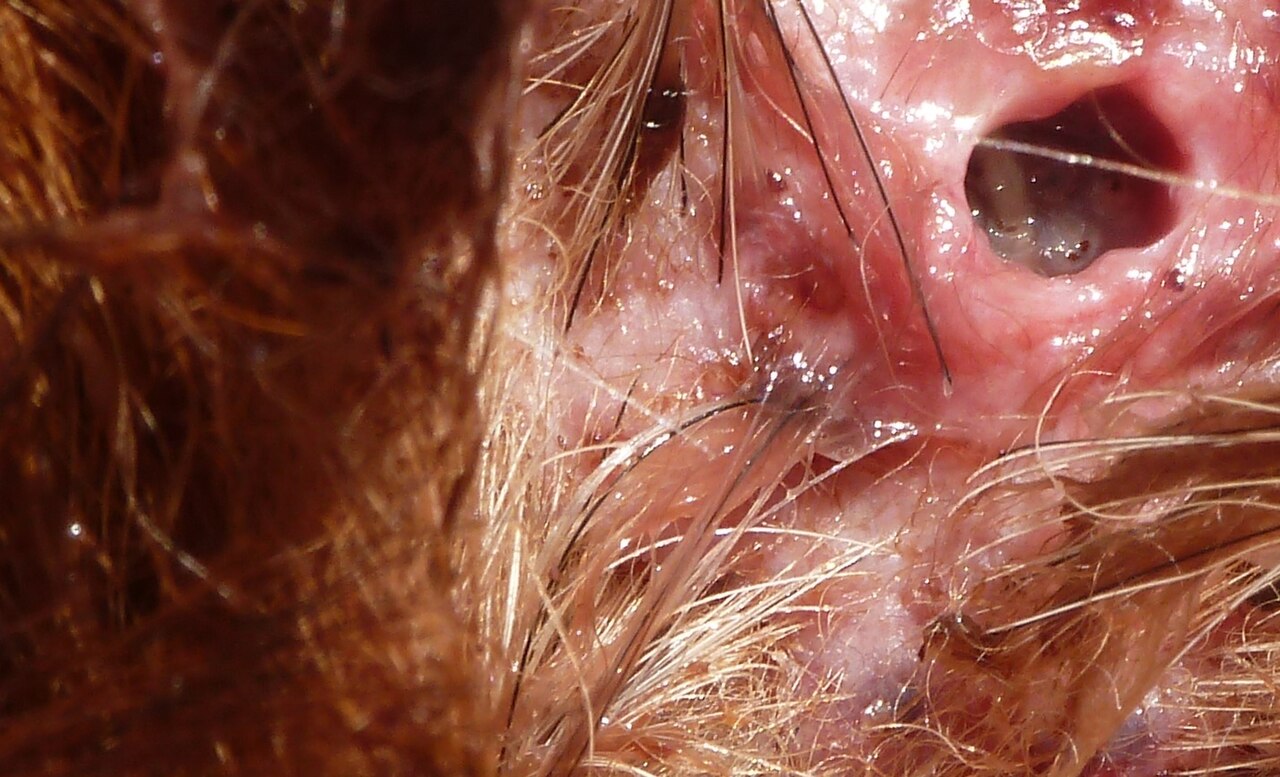
Two calves in Zavala County tested positive for the flesh-eating New World screwworm this week, prompting Canada to ban Texas livestock and exposing millions of American ranchers to a parasite that crosses borders with wings. The confirmed cases mark the parasite's first U.S. appearance since the 2016 Florida Keys outbreak—and they arrived just 50 miles from the Mexican border.
Governor Greg Abbott declared a statewide disaster on June 5 after the U.S. Department of Agriculture confirmed the second infected calf, located just 5.6 miles from the initial June 3 detection. Canada's Food Inspection Agency responded immediately, announcing a temporary ban on all Texas livestock, including horses. Florida enacted emergency rules the next day, blocking warm-blooded animals from infested areas through June 10. Arizona kept its existing monitoring protocols in place.
The parasite marched 1,100 miles north from southern Mexico, defying decades of sterile fly dispersal programs designed to keep it contained. Texas Agriculture Commissioner Sid Miller said the screwworm's advance exposes critical gaps in the federal response. "Even though billions of sterile flies have been dispersed by USDA, the screwworm has still advanced over 1,100 miles from southern Mexico to Texas, and USDA has missed an important component," Miller told Breitbart Texas.
Those gaps stem from years of institutional collapse. The Mexico-U.S. eradication commission, COMEXA, dissolved in 2012-2013, and its Chiapas sterilization plant shut down for lack of funding. Without binational infrastructure to contain the threat, the pathogen spread unchecked across the region. The CDC reports 171,700 animal cases and 2,070 human infections in Mexico and Central America, with 10 confirmed deaths.
The federal response now relies on a Panama facility producing 100 million sterile flies weekly—a fraction of the 500 million to 700 million released per week during the 1980s eradication campaign. A new $750 million facility in Edinburg will eventually produce 300 million flies weekly, but Abbott ordered construction accelerated from November 2027 to May 2027. Time is the enemy.
"Here is the reality of this cycle," Abbott told the Texas Tribune. "This is likely to spread over the course of the summer. During winter months, it may kill off the flies or reduce their number, but we can't make it through a second summer."
The economic stakes grow sharper each day. The U.S. cattle herd sits at a 75-year low, and USDA estimates $1.8 billion in potential damage to Texas alone. The Dallas Federal Reserve warns of $8 billion in nationwide losses if the outbreak mirrors the 1962-1980 crisis. Beef prices have climbed 57 percent since 2020 and rose another 3 percent in the first four months of 2026.
USDA closed U.S. ports to Mexican livestock in May 2025, yet the parasite crossed on its own. Seventh-generation Texas rancher Susan Storey Rubio pointed out what border policies cannot address. "How does a fly get 45 miles across the border with no bootlegged Mexican cattle?" Rubio told TSLN. "It has wings. It's a fly, and flies will fly."
The screwworm poses production challenges, not food safety risks, according to Texas Animal Health Commission Executive Director Bud Dinges. "NWS is not a food safety issue, but rather an animal production challenge," Dinges told DTN. Only one confirmed human case has occurred in the U.S. since the parasite reemerged—a Maryland traveler returning from El Salvador in August 2025.
Florida's emergency rules require state-issued veterinary inspection certificates for any livestock shipments from infested areas after June 10. Arizona maintained its monitoring protocols without closing imports, diverging from its neighbors' more restrictive approach.
Texas ranchers now face summer's peak breeding season while confronting an enemy they cannot fence out. The threat extends beyond cattle to the state's multi-billion-dollar hunting industry. "Deer is a several billion dollar business in Texas and hunting, and I think it could be a detriment, a huge detriment to wildlife," Edinburg rancher Nowell Borders told the Texas Tribune.
USDA has released more than 130 million sterile flies over Texas since January 2026. Current operations disperse 2 million flies weekly by air and 4 million on the ground within the infestation zone. Officials established 20-kilometer quarantine zones around both detection sites, cordoning off territory where the parasite takes hold.
"We have eradicated this pest before, and we will do it again," Abbott told Breitbart Texas on June 6. USDA Under Secretary Dudley Hoskins expressed confidence in the response plan. "Many models projected this pest would reach the United States last year, but thanks to USDA's phenomenal work and our cooperations with state, federal, and industry partners, we've held it off until now," Hoskins told DTN.
The infestation arrives as Mexico's beef exports to the U.S. surged 23 percent in the first four months of 2026. Meanwhile, Lubbock Feeders inventory plummeted from 40,000 to approximately 4,000 head. Texas ranchers face immediate quarantine measures and the prospect of long-term damage to trade relationships with their largest agricultural partner.