Green Levies Pricing Families Out of Net Zero, Climate Advisers Warn
Britain's official climate advisers warn that £11 billion in green levies on electricity bills are making heat pumps and electric vehicles unaffordable for households, undermining the government's own net zero targets.
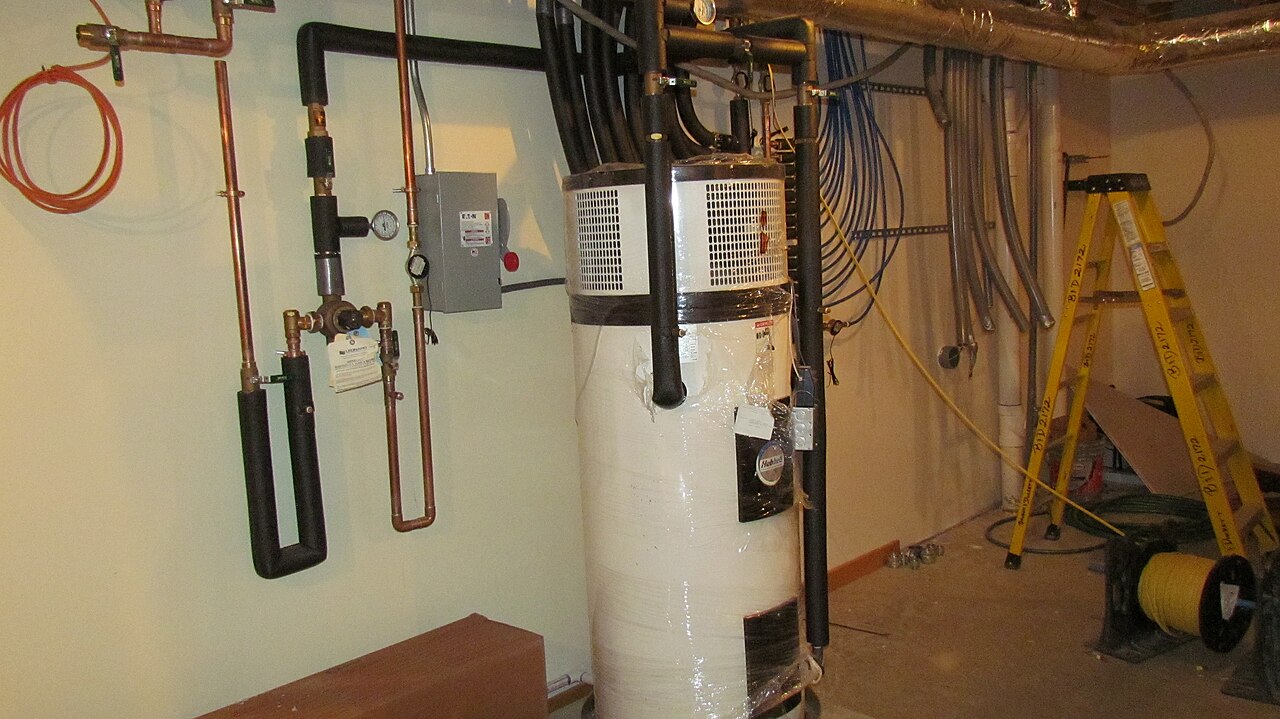
British families are paying an extra £11 billion in green levies on their electricity bills — money that makes heat pumps and electric vehicles unaffordable for many households. Britain's official climate advisers delivered the blunt assessment on Tuesday, calling on Energy Secretary Ed Miliband to remove the charges from consumer bills. The recommendation stands as a direct challenge to the policy framework Miliband has anchored his tenure around.
The government's own climate advisers have concluded that Labour's green levy regime makes the net zero transition economically unviable for ordinary Britons. Electricity prices, inflated by annual levies projected to reach £18 billion by 2030, have created the worst electricity-to-gas cost ratio in Europe at 4:1. The Climate Change Committee recommends shifting these costs to general taxation, exposing a fundamental contradiction at the heart of Miliband's energy strategy.
"By far the most important recommendation we have for the government is to reduce the cost of electricity," said Professor Piers Forster, the CCC's interim chair. The committee calculates that electricity must fall below a 3:1 ratio with gas to make heat pumps competitive. Current policy pushes that gap to record European highs.
The financial burden extends far beyond household bills. Total subsidies and grid integration costs will more than double from £19.8 billion in 2024/25 to £40.1 billion by 2030/31, according to energy analyst David Turver's calculations. Grid upgrades alone require £100-240 billion by 2050, according to government estimates, while financial benefits from decarbonisation are not expected until around 2040. The green transition will cost more than £125 billion this decade, with households bearing escalating bills for infrastructure that may not deliver savings for 14 years.
Electrification progress has stalled precisely where acceleration matters most. Heat pump installations rose just 7 percent in 2025, collapsing from 56 percent growth the previous year. Electric van sales remain off track, while EV adoption reached just 24 percent of new cars in the first five months of 2026 — well short of the government's 33 percent target. Only 58 percent of the emissions reductions needed for the 2030 target are covered by credible plans.
"The transition to clean electricity is not happening fast enough," said Nigel Topping, CCC chair. His report arrives as Keir Starmer resigns and Andy Burnham prepares to take over as prime minister. Topping warned against policy reversals while urging removal of policy costs from electricity bills. "U-turns are really damaging to inward investment confidence."
EDF Energy UK CEO Simone Rossi adds structural depth to the CCC's critique. Britain has more electricity generation capacity than it needs, he said. Demand for electricity has fallen by a fifth over two decades despite repeated growth forecasts. Wind curtailment costs reached nearly £800 million in 2026 so far and £1.4 billion in full-year 2025.
"We should stop building wind farms and focus instead on raising demand for electricity," Rossi said.
Miliband abandoned zonal pricing reforms in July 2025 despite civil servants backing the policy, citing investor uncertainty. His department blocked publication of the impact assessment. The government instead proposes reformed national pricing while planning to triple offshore wind capacity by 2030. The Renewables Obligation — adding £7-8 billion to bills — will have its costs moved back to consumer bills from April 2029, reversing a previous shift to taxation.
"Of course, once again Ed Miliband is siding with wind developers over consumers," said Shadow Energy Secretary Claire Coutinho. The Institute for Fiscal Studies accused the Treasury of taxing the cleanest energy source more heavily than polluting fossil fuels. Turver's analysis shows that even if Conservative and Reform policy interventions delivering £12.1 billion in savings are enacted, electricity system costs will still be £8.2 billion higher in 2030/31 than the 2024/25 baseline.
"The dependence on electrification to deliver our climate goals is self-evident, but the pathway cannot be built on blind optimism," said Mike Hawes, chief executive of the Society of Motor Manufacturers and Traders. The SMMT says tripling EV sales in three years is highly unlikely given current market conditions.
A DESNZ spokesman attributed high prices to global gas markets, stating the main driver of high energy costs is global gas prices, which have also pushed up electricity prices. The structural reality tells a different story. UK gas bills rank only 15th highest globally, while the nation suffers the highest industrial electricity prices in the developed world. The cost gap is driven by policy choices, not commodity markets.
"The UK has constructed an energy policy framework centred on reducing domestic emissions, suppressing energy use, and increasing prices to change behaviour," said Gavin Rice, author of an Onward think tank report. Household electricity consumption has fallen from 126 TWh in 2005 to 95 TWh in 2025 — a 25 percent decline, according to the Climate Change Committee. The government builds infrastructure for demand that does not exist while families watch their bills climb each month.