Supreme Court Lets Trump-Era China Tariffs Stand
The Supreme Court declined to review a challenge to $370 billion in Trump-era tariffs on Chinese imports, cementing Section 301 authority as the administration's primary tool for enforcing trade policy against Beijing.
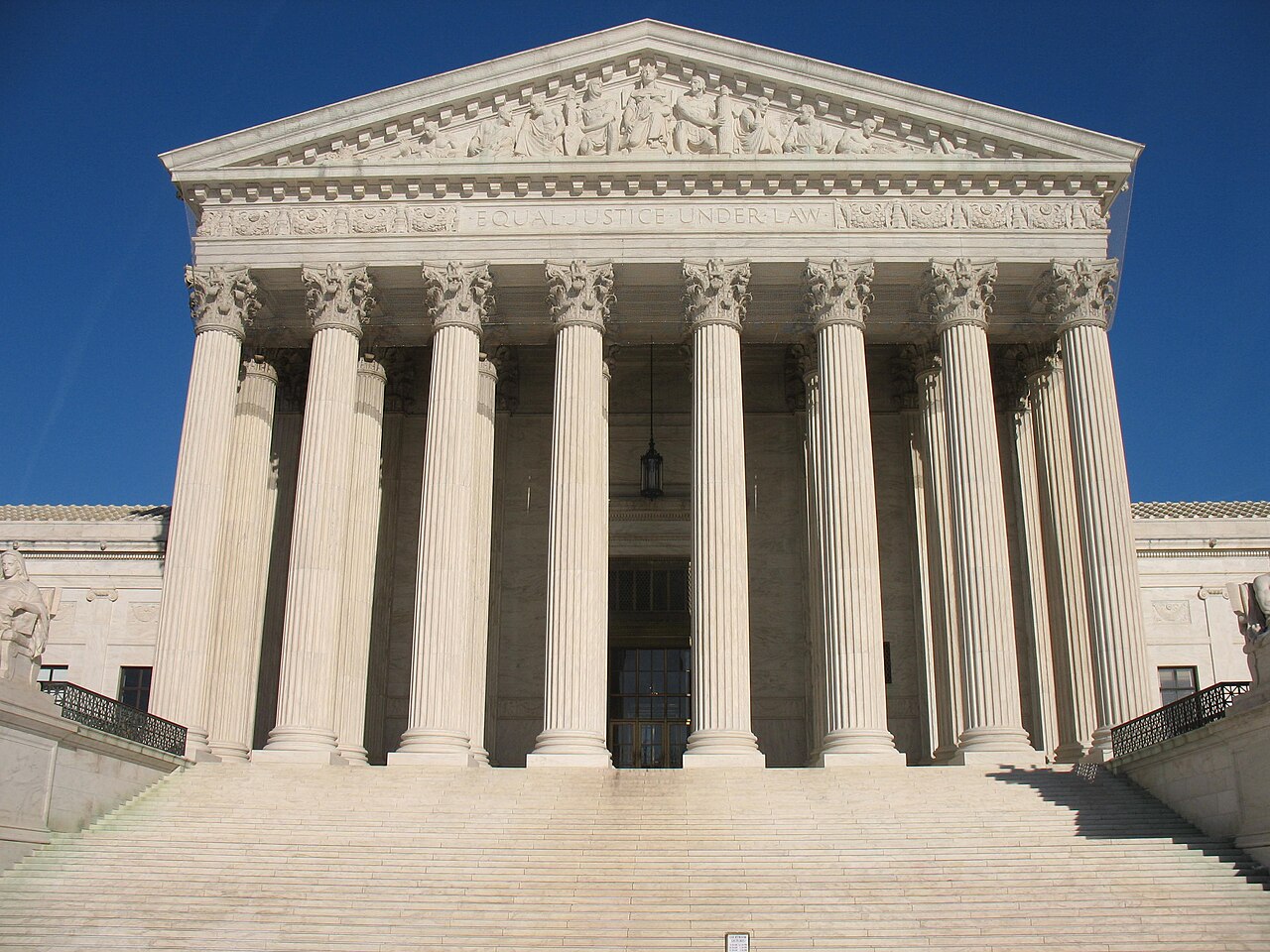
The Supreme Court on June 15 declined to review a legal challenge to $370 billion in tariffs imposed on Chinese imports during President Trump's first term. The decision preserves one of the most consequential trade actions in modern American history. American manufacturers and workers who have relied on those tariffs now face no further legal threat to their protection.
The justices denied certiorari in HMTX Industries v. United States without comment. All appeals have ended. Section 301 tariffs covering approximately $370 billion in Chinese goods remain in place. More than 3,500 companion cases at the Court of International Trade are expected to be dismissed. Importers who already paid the duties will receive no refunds.
The tariffs began in 2018, when the Trump administration imposed 25 percent duties on $50 billion worth of Chinese goods under Lists 1 and 2. The move targeted Beijing's intellectual property theft, forced technology transfers, and currency manipulation. The administration later expanded the measures, adding a 25 percent tariff on $200 billion in imports under List 3 and a 7.5 percent tariff on approximately $120 billion under List 4A.
Legal challenges to Lists 3 and 4A began in September 2020. The Court of International Trade ruled in favor of the U.S. Trade Representative's authority on March 17, 2023. The U.S. Court of Appeals for the Federal Circuit upheld that decision on Sept. 25, 2025. The appeals court rejected both a major questions doctrine challenge and constitutional arguments.
The Federal Circuit held that Section 307 of the Trade Act independently authorized the USTR to modify and escalate tariffs. The Supreme Court's refusal to hear the appeal means this broad interpretation now stands as settled law.
The ruling arrives four months after the Supreme Court struck down the administration's use of the International Emergency Economic Powers Act to impose sweeping global tariffs. That February 20 decision made Section 301 even more essential to the administration's trade policy toolkit.
USTR Jamieson Greer announced new Section 301 investigations on the same day as the IEEPA ruling, signaling an immediate pivot to the validated authority. "The policy remains the same — the tools may change depending on, you know, the vagaries of courts and other things," Greer said in March.
The tariffs have survived two administrations. The Biden administration declined to roll them back despite pressure from some Democratic factions. The Court of International Trade, the Federal Circuit, and now the Supreme Court have all declined to strike them down.
"When both parties keep the same tariffs and the Supreme Court won't touch them, that's not a partisan policy," the Capitalisminstitute noted in its analysis. "That's a national consensus."
The Supreme Court's denial clears a legal path for broader Section 301 use. The USTR launched an excess-capacity investigation in March targeting 16 trading partners including China, the European Union, India, Japan, Mexico, and South Korea.
On June 2, the USTR released proposed findings from a forced-labor investigation covering 60 economies with proposed tariffs ranging from 10 percent to 12.5 percent. The administration signaled it will continue using Section 301 aggressively.
"He'll find a way to deal with unfair trading practices," Greer said of President Trump. "He'll find a way to get our trade deficit down. He'll find a way to protect U.S. manufacturing. We have a lot of tools to do it."
Importers argued the USTR exceeded its statutory authority. "Congress nowhere gave [USTR] the vast power to engage in an open-ended trade war under that modest modification provision," the HMTX petition stated.
Monica Welt, president of the Retail Litigation Center, said retailers need "predictability to continue to provide consumers with essential goods needed for everyday life." She urged the Court to "reaffirm that agencies must stay within the bounds Congress set."
The Supreme Court's refusal to hear the case means those arguments are now dead. The administration's position that the law permits the USTR to adjust tariffs as long as modifications "are not radically transformative" has prevailed.
The decision leaves Section 301 as the administration's most durable trade enforcement authority. With IEEPA invalidated and Section 301 judicially validated, American industries retain their primary defense against unfair Chinese competition.