SpaceX Prices Record $135 IPO at $1.77 Trillion Valuation
SpaceX launches the largest IPO in history at a $1.77 trillion valuation, defying Wall Street conventions with a governance structure that concentrates power while raising $75 billion amid questions over profitability.
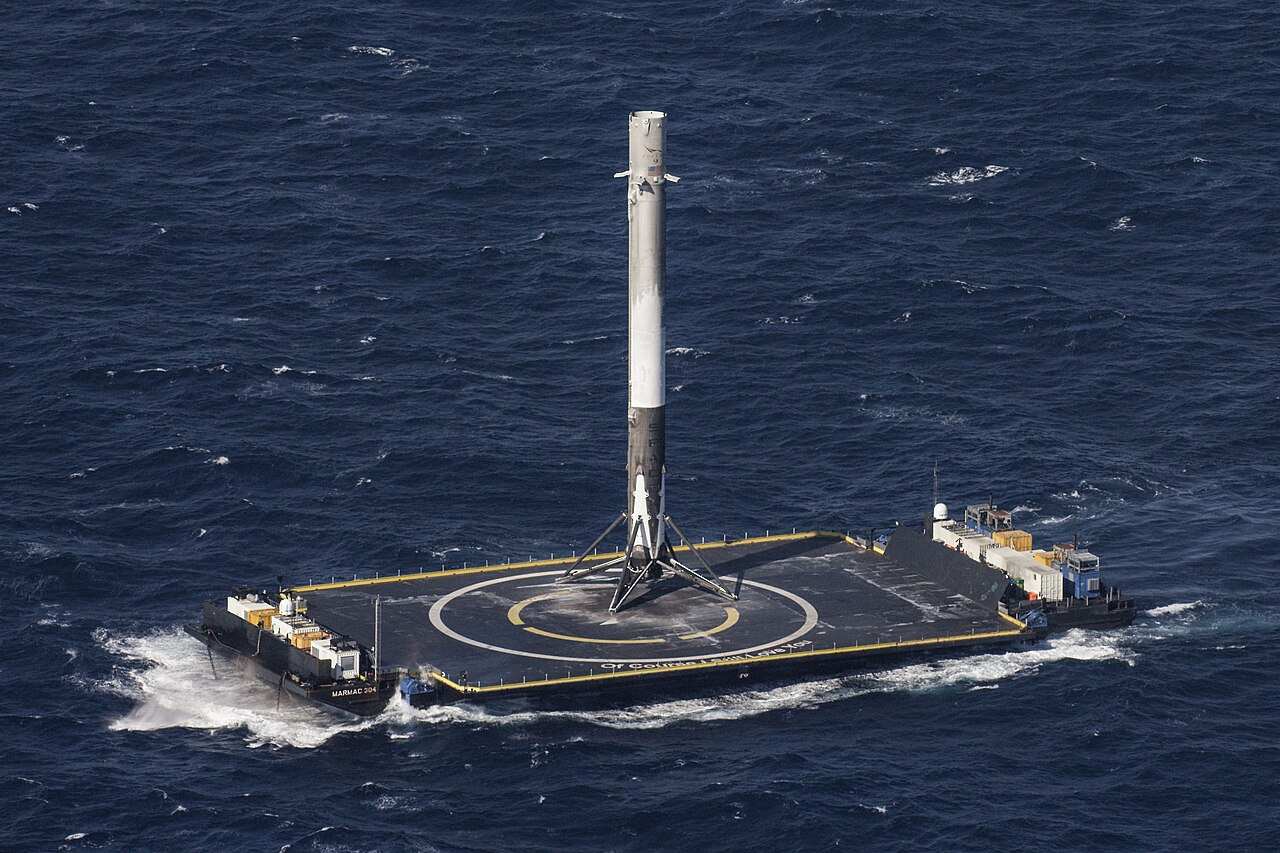
SpaceX priced the largest initial public offering in history at $135 per share, raising $75 billion and valuing the rocket company at $1.77 trillion. The company begins trading today on Nasdaq under ticker SPCX. The valuation makes SpaceX more valuable than Tesla or Meta individually, though less than the two combined.
The deal upends Wall Street conventions. SpaceX skipped the standard price range and went straight to a fixed $135 price. Elon Musk controls 82 to 85 percent of voting power through Class B shares carrying 10 votes each. Only Class B holders can remove him as CEO or Chairman. Mandatory arbitration clauses strip investors of jury trial rights and class-action lawsuit protections.
SpaceX qualifies as a "controlled company" under Nasdaq rules, exempting it from requirements for a majority independent board. This governance framework leaves public shareholders functionally unable to discipline management despite providing $75 billion in fresh capital.
Financial data from the SEC S-1 filing shows SpaceX reported $18.7 billion in 2025 revenue but a $4.9 billion net loss. The company's accumulated deficit stands at $41.3 billion since its 2002 founding. First-quarter 2026 results showed $4.7 billion in revenue against a $4.27 billion net loss, with capital expenditures hitting $10.1 billion, or 215 percent of quarterly revenue.
"We believe the business has real strengths, particularly in Starlink, but with so many unknown and untested technologies underpinning much of the valuation price, particularly within the AI business, we think the valuation is extremely speculative," said Michael Field, Morningstar's chief equity strategist. Morningstar calculates SpaceX shares are worth $63, half the IPO price.
The revenue breakdown reveals a company profitable in only one segment while hemorrhaging cash in others. Starlink generated $11.4 billion in 2025 revenue with $7.2 billion in segment EBITDA at 63 percent margins, serving 10.3 million subscribers across 164 countries. The space launch business generated $4.1 billion with a $657 million operating loss despite controlling 85 percent of global launch mass-to-orbit. The AI division, including xAI, generated $3.2 billion with a $6.35 billion operating loss, burning approximately $1 billion per month.
"It's a hopes-and-dreams IPO, driven by enthusiasm for Musk and artificial intelligence rather than the fundamentals of a company that has yet to post a profit," short-seller James Chanos told the iConnections Global Alts conference on June 10.
Total investor demand for the offering reached more than $250 billion, making it roughly four times oversubscribed. Retail investors alone placed over $100 billion in orders for a pool of shares trimmed from 30 percent to the low 20 percent range. BlackRock placed an order for at least $5 billion in shares.
Three state pension officials sent a May 13 letter expressing governance concerns. NYC Comptroller Mark Levine, NY State Comptroller DiNapoli, and CalPERS CEO Frost signed the correspondence. Senator Elizabeth Warren sent a June 9 letter to SEC Chairman Paul Atkins requesting a delay, citing valuation, governance, and index inclusion issues. The SEC confirmed receipt but declined further comment.
Index inclusion mechanics will create forced buying that decouples price from fundamentals. MSCI confirmed SpaceX qualifies for early inclusion in its Global Standard Indexes, forcing approximately $5.79 trillion in passive assets to buy within 10 trading days. Nasdaq 100 allows fast-track inclusion after 15 trading days, while FTSE Russell 1000 permits inclusion within five days.
S&P Dow Jones Indices declined to amend rules for fast-track S&P 500 entry because SpaceX's net loss violates profitability requirements. This means S&P 500 passive funds will not mechanically buy on day one and face at least a one-year delay.
"I think what is probably most important in the prospectus is how capital-intensive SpaceX has become," said Steve Eisman, the former Wall Street trader. "If you go back to fiscal year 2023 and you compare revenue to capex, capex was only 42 percent of revenue, and in the most recent first quarter, it was 215 percent of revenue."
Michael Burry, known for his 2008 housing market bet, wrote that the IPO filing showed "nothing" to suggest the company is worth $1 trillion, "let alone $2 trillion."
SpaceX announced agreements to rent its Colossus 1 AI data center to Anthropic for $1.25 billion per month through 2029 and to Google for $920 million per month. These deals provide revenue visibility but underscore the company's massive infrastructure investments.
Goldman Sachs forecasts U.S. IPO proceeds could quadruple to $160 billion in 2026. Anthropic and OpenAI are expected to go public later this year, potentially seeking valuations over $1 trillion each. The deluge of public equity from AI companies raises questions about whether investor demand can absorb the incoming supply, especially with CPI over 4 percent and Nasdaq down approximately 2.7 percent from its June 1 intraday high.
Musk's compensation package includes 1 billion Class B shares that vest only when SpaceX establishes "a permanent human colony on Mars with at least one million inhabitants" alongside market cap milestones ranging from $500 billion to $7.5 trillion. The company's total addressable market claim reaches $28.5 trillion across space, connectivity, and AI sectors.
The IPO creates 4,000 to 4,400 new millionaires among current and former SpaceX employees. Antonio Gracias of Valor Equity Partners holds approximately 503.4 million Class A shares worth about $68 billion at the IPO price, while Google's 7 percent stake from a 2015 $900 million investment now exceeds $100 billion.
Today's market debut will test whether investor enthusiasm for Musk's vision can sustain a valuation built on future promises rather than current cash flows. The outcome will determine whether this represents genuine capitalist creation or the greatest retail euphoria in market history.