Trump Ends $141 Billion in Wind and Solar Subsidies on Independence Day
The Trump administration ends $141 billion in wind and solar subsidies on July 4, eliminating a 35-year program that critics say distorted energy markets and raised electricity costs for American families.
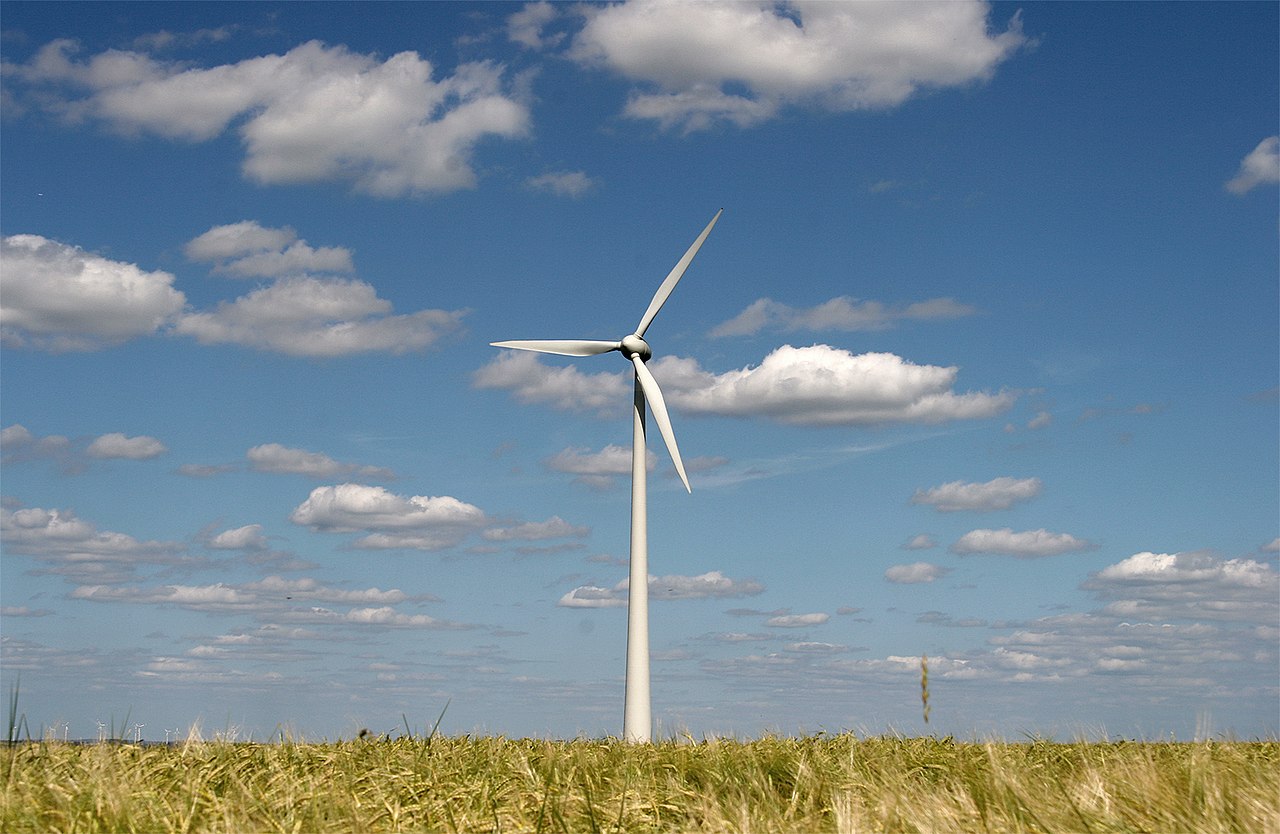
On a day that celebrates American independence, the Trump administration cut the plug on three decades of wind and solar subsidies, ending a $141 billion program that kept electricity costs high and left grids dependent on intermittent power.
Energy Secretary Chris Wright announced the deadline's arrival in a July 2 video statement, calling it a decisive victory for energy independence and fiscal responsibility. The One Big Beautiful Bill Act, signed into law one year ago, accelerated the phase-out of tax credits that had distorted energy markets since 2010.
From 2010 to 2023, solar and wind projects received more than $141 billion in federal subsidies combined, according to a Texas Public Policy Foundation study. Solar received more than 200 times more federal subsidies per unit of energy than other sources. Yet wind and solar accounted for just 3 percent of total U.S. primary energy consumption in 2025.
"The wind doesn't always blow and the sun doesn't always shine," Wright said. "They drive up the system costs and increase Americans' electricity prices. Enough of raising electricity prices. We're going to drive them down."
The One Big Beautiful Bill Act eliminated multiple clean energy tax credits, signaling a broader shift away from government-managed energy markets. The legislation ended credits for residential solar installations on Dec. 31, 2025, and terminated commercial electric vehicle credits last September.
Wind and solar received more in subsidies than any other energy source in the United States, despite providing just 17 percent of U.S. electricity in 2024. "Energy markets should be driven by competition, innovation, and consumer choices, not by government mandates and subsidies," said Brent Bennett, Ph.D., policy director of TPPF's Life:Powered initiative.
Over 200 gigawatts of solar projects rushed to "safe harbor" before the deadline, nearly doubling the nation's existing solar fleet capacity according to Wood Mackenzie analysis. Developers scrambled to lock in artificial incentives, demonstrating how subsidies distorted investment decisions.
Wright noted the massive land footprint of renewable energy. "Wind and solar take a lot of land, 100 times more land for a similar amount of energy," he said. "They take an enormous amount of materials, energy intensive materials like steel and cement and polysilicon. They take an enormous amount of additional transmission lines to connect their large land, far flung production back to where there's demand centers."
The broader energy independence agenda includes Executive Order 14315 and Foreign Entity of Concern rules targeting Chinese and other foreign-controlled energy projects. The OBBBA prohibits taxpayers with ties to China, Russia, North Korea, or Iran from claiming most clean energy tax credits.
As peak electricity demand approaches in the 13-state Mid-Atlantic region this week, less than 6 percent of electricity generation came from renewables at 7 a.m. "Over 91 percent of generation is coming from gas, nuclear and coal—keeping our air conditioners blasting," Wright posted on X.
The administration's commitment to reliable, dispatchable energy sources marks an ideological victory for market-driven energy policy. Credits for energy storage, hydropower, geothermal, and nuclear technologies continue on a longer timeline, with phase-out beginning in 2034.
"Cheers. The grift was strong and deserved to be kneecapped," said Rep. Chip Roy (R-TX) on X. "More to do."
Wood Mackenzie research found $121 billion in renewable investment at risk from permitting delays affecting 92 gigawatts of projects. Thirty-two percent of the country's early-stage renewable pipeline faces extra federal review.
The timing on Independence Day underscores the administration's broader agenda of national liberation from foreign-controlled energy systems and bureaucratic energy planning.
Energy analyst Robert Bryce published "The Garroting of Big Wind" on June 12, arguing wind power is being throttled by both subsidy phase-out and deliberate permitting slowdowns. Federal Aviation Administration and Department of Defense agencies have stalled "no hazard" determinations for dozens of projects totaling about 30 gigawatts.
Treasury Department guidance issued last August requires wind and solar projects over 1.5 megawatts to perform "physical work of a significant nature" to qualify as having started construction. Treasury Notice 2025-42 initially eliminated the 5 percent cost safe harbor for wind and solar projects over 1.5 megawatts, but a federal court vacated that notice on June 6, 2026, restoring the safe harbor.
On July 4, Americans mark their independence from unreliable energy and the government mandates that propped it up.