Alberta Drilling Surges as Carney Abandons Trudeau's Climate Mandates
Alberta oil drilling hits a 12-year high as Prime Minister Mark Carney dismantles Trudeau-era climate policies, empowering small operators and reshaping Canada's energy future while separatist tensions ease.
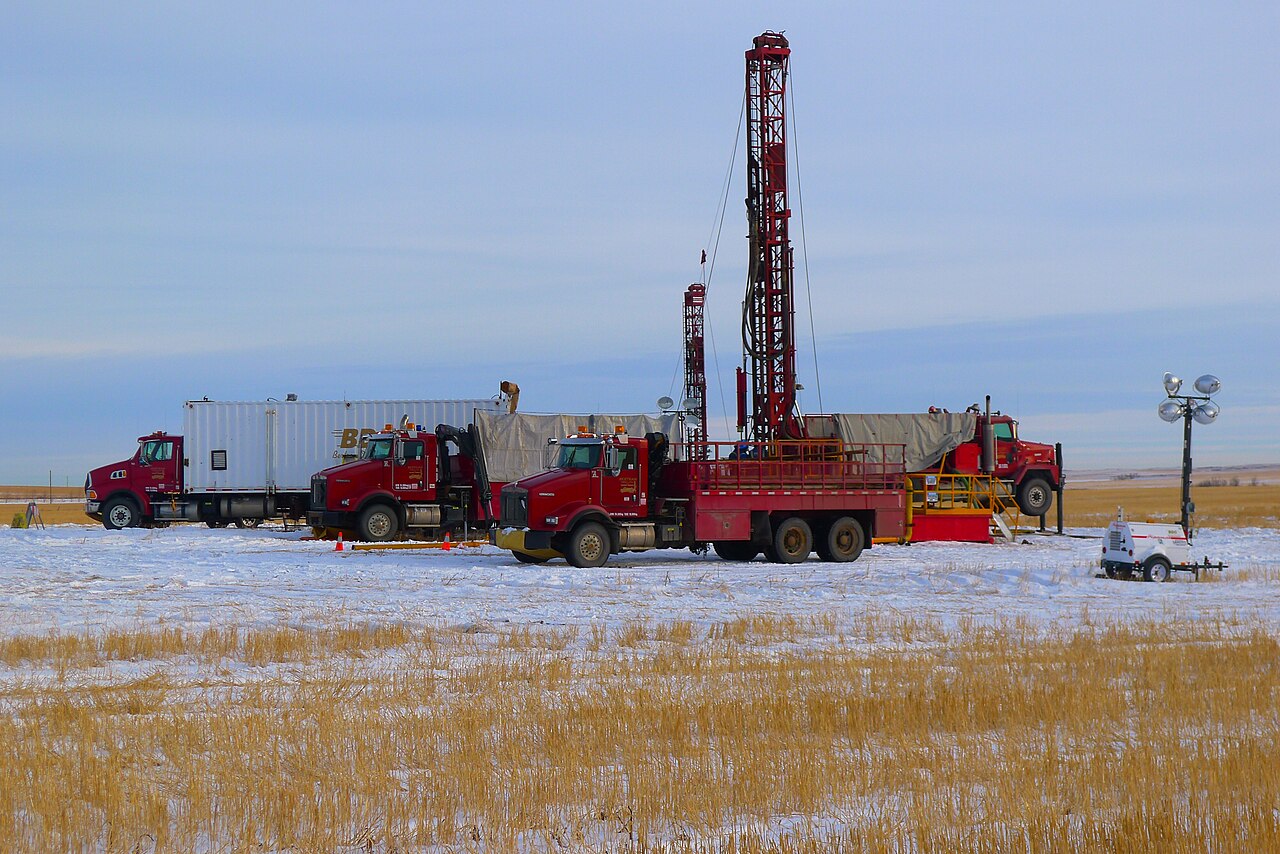
Alberta energy workers are drilling faster than they have in more than a decade. The province issued 1,764 oil drilling licenses between January and June, the strongest start to a year in 12 years. Nearly one in five permits targets the Clearwater formation, a low-cost conventional play that is lifting small operators like Tamarack Valley Energy into the ranks of Alberta's top 10 producers.
The surge follows Prime Minister Mark Carney's systematic dismantling of Justin Trudeau's climate agenda. Carney eliminated the consumer carbon tax, scrapped the oil and gas emissions cap, and weakened industrial carbon pricing to $115 per tonne by 2030, down from the planned $170. The policy reversal signals that Trudeau's ideologically driven mandates failed on their own terms.
Tamarack received 89 drilling licenses this year, up 37 from 2025. Headwater Exploration raised its capital budget to C$250 million to keep pace with the boom. These companies are capitalizing on policy that finally lets market forces drive energy development rather than political ideology.
The Canadian Climate Institute found Canada was already "not on track to achieve any of its climate goals" before Carney took office. A Nanos poll for Bloomberg News shows 55 percent of Canadians now prioritize oil and gas expansion over meeting 2030 emissions targets. The public has spoken, and energy independence matters more than abstract environmental targets.
Carney acknowledged the policy shift in a June 30 YouTube address. "The changes we have made will mean that our emissions will be higher in the next few years than they were projected to be under the previous government's plan," Carney stated. "But in my judgment, that plan was not sustainable over the long term."
The prime minister called Trudeau's approach "too divisive for our country" and "an open opportunity for those people who wish to pull Canada apart." His remarks came as Alberta separatists collected 302,000 signatures for an October referendum on leaving Canada. Support for separation has declined from 28 percent in January to 18 percent in May, with 72 percent of Albertans preferring to remain in Canada.
Carney invoked historical grievances in his address. "I remember how Ottawa made Albertans feel like our resources weren't our own," he said. "And then more recently, we were made to feel that our energy contributions were running against the tides of history."
The Clearwater formation tells the economic story behind the policy shift. Production rose from 30,000 barrels per day in 2017 to approximately 230,000 barrels daily in 2025. The play holds an estimated 1.6 billion barrels of recoverable oil, and it rewards operators who understand the geology rather than those who navigate red tape.
"It doesn't take a whole bunch of capital to get started, and therefore it's quite cost efficient," said Brian Schmidt, CEO of Tamarack Valley Energy. "It's phenomenal. There's no conventional play that compares."
Tamarack sold its Charlie Lake assets for C$804 million in May to focus entirely on Clearwater. Canada remains the world's fourth-largest oil producer at 5.5 to 6.1 million barrels daily. Only the United States and Russia have increased production more than Canada this century, officials said. G7 leaders endorsed Canada as a source of "significant additional capacity" to global markets on June 17.
Environmental advocates have acknowledged the scale of Carney's reversal. "I think this is the first time that he has publicly admitted that they are breaking with their climate commitments and that they're tearing up the climate plan that the Trudeau government developed," said Sven Biggs, director of Stand.Earth's oil and gas campaign. "It's somewhat of an admission of defeat."
Former environment minister Steven Guilbeault resigned from both cabinet and the Liberal caucus. He stated Canada "will be lucky" to slash emissions by 15 percent below 2005 levels by 2030 under current policies. The Canadian Climate Institute's 2025 report already concluded Canada was off track for all climate goals before Carney's changes took effect.
Carney announced a new West Coast pipeline on July 2 that would transport over one million barrels daily from Bruderheim to Roberts Bank Terminal. The C$35.2 to C$43.7 billion project preserves northern British Columbia's tanker ban while compensating the province for environmental risks. Alberta Premier Danielle Smith called it part of a "super-cycle of production growth."
The government has cut Environment and Climate Change Canada funding by $1.3 billion. It eliminated the EV sales mandate, suspended clean electricity regulations in Alberta, and delayed methane reduction targets by five years. Approximately 85 percent of Canadian crude exports go to the United States, down from 97 percent in 2023. The proposed pipeline would open Asian markets and diversify Canada's energy customers.
Sixty-one percent of Canadians support building a new pipeline to the northwest coast, according to the Nanos poll. The policy shift marks a decisive turn from what critics called Trudeau's "economic scam." Carney described it as "giving Canadians a hopeful future" through energy development.
Alberta families are seeing the change in their communities, not just in policy statements. The rig crews running Clearwater operations, the engineers designing the pipeline, the business owners supplying the boom—they are building an economy that rewards work and ingenuity over political conformity. The question is no longer whether Canada will drill. The question is whether Ottawa will finally get out of the way.