Gas Prices Fall to $3.86, Lowest Since March
Gas prices dropped to $3.86 per gallon, the lowest since March, following the U.S.-Iran agreement that restored Strait of Hormuz shipping. Trump ordered DOJ price-gouging investigation.
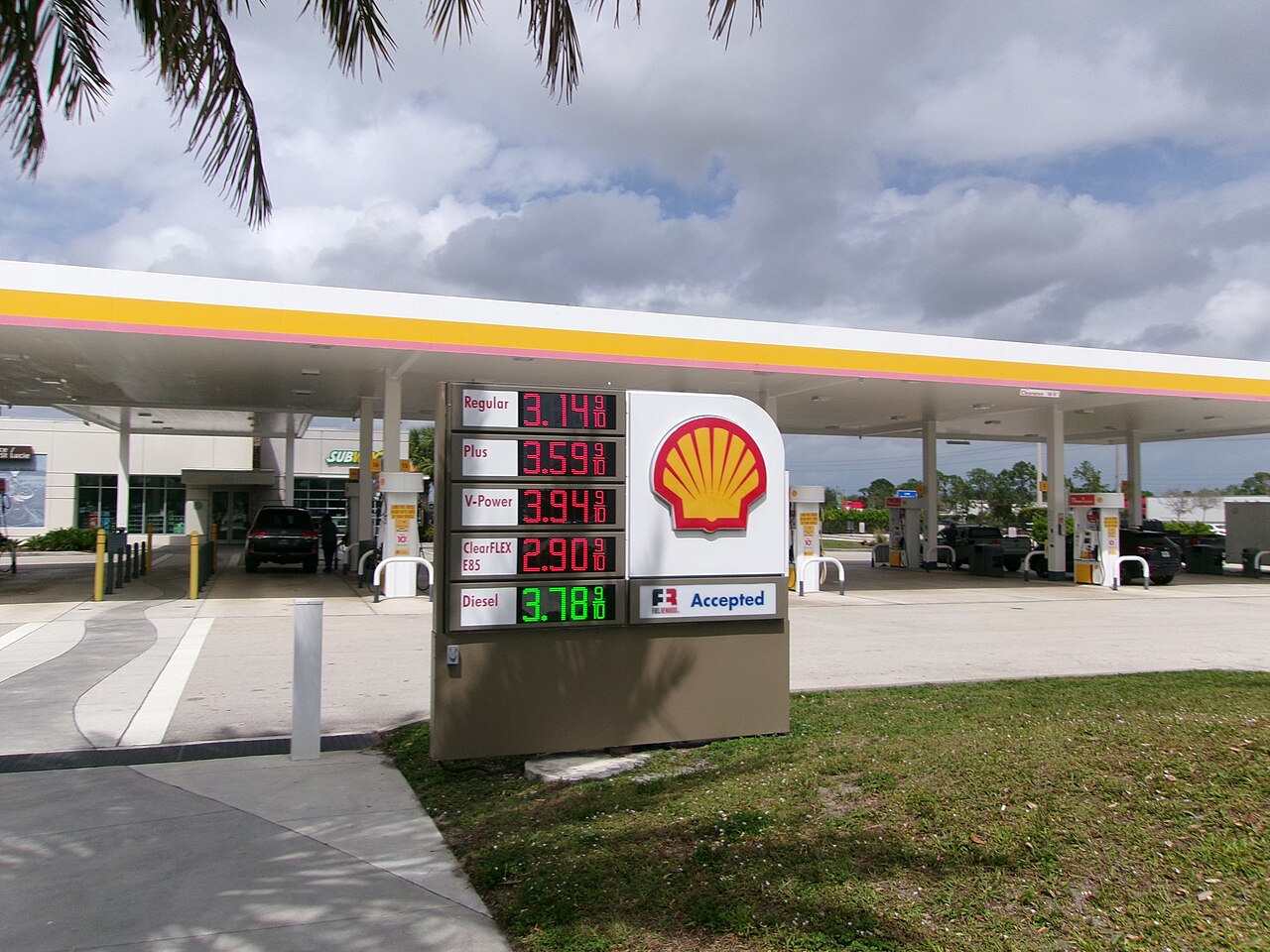
American drivers watched the pump prices fall to $3.86 per gallon Monday, the lowest point since March. The drop of more than 70 cents from the May peak of $4.56 brings relief to families budgeting for summer travel and businesses managing fuel costs. The national average has declined five straight weeks following the U.S.-Iran Memorandum of Understanding that restored commercial shipping through the Strait of Hormuz.
The average now sits below its March 19 level of $3.88, a welcome development for the 72.2 million Americans expected to hit the road for July 4. Prices peaked at $4.564 on May 21 during the Hormuz blockade, then began falling after President Trump signed the June 17 agreement with Iran. The MOU required Iran to restore safe commercial passage through the Strait, which has recovered to roughly 75 percent of pre-war levels.
The diplomatic resolution of the Hormuz crisis produced the price relief now felt at pumps across the country. WTI crude fell from a peak above $100 per barrel to around $70, while Brent crude dropped from over $120 to approximately $72. The return to near pre-war levels shows how quickly global energy markets respond when geopolitical disruptions end through market-friendly policy.
Prices remain about $1 higher than the pre-war average on Feb. 28 and roughly 67 cents above the year-ago average of $3.187. The pace of decline has slowed as markets stabilize, though 38 of the last 39 days showed decreases. The national average is settling around $3.86.
President Trump ordered the Justice Department to investigate alleged price gouging, arguing pump prices are not falling fast enough to match crude cost declines. "The big Oil Companies are not dropping their price at the pump commensurate with the sharply lower prices they are paying for Oil," Trump wrote on Truth Social on June 24. "In other words, customers are being 'gouged.' I have instructed the DOJ to immediately start looking into this."
During an Oval Office press conference that same day, Trump stated, "We should be, in my opinion, at $2.25 right now at the pump, and we're higher than that." He returned to the issue on June 29, writing, "Gasoline Retailers must get their Prices down, IMMEDIATELY! They're too high considering that Oil is now at $68 a Barrel, and heading south."
The American Petroleum Institute rejected the accusations. "Our industry shares the goal of delivering relief at the pump and restoring stability to global energy markets," API spokesperson Bethany Williams stated. "Gasoline prices don't move in lockstep with crude oil, especially during a major global disruption that is still affecting supply, refining and inventories."
Market data supports the point about lag. Refineries buy crude oil in advance, and deliveries take time. Industry experts note that pump prices typically adjust gradually to crude market changes. The five-week decline with its slowing pace toward stabilization reflects this market mechanism.
State-level data reveals significant regional variation. Indiana posted the lowest average at $3.216, followed by Texas at $3.298 and Oklahoma at $3.351. Hawaii maintained the highest average at $5.499, with California at $5.455 and Washington at $5.189. Los Angeles County averaged $5.459, down 70.7 cents in 35 days.
"Average gasoline prices fell in 46 states over the last week, with diesel declining in 49, pushing the national average to its lowest level since mid-March," said Patrick De Haan, GasBuddy Head of Petroleum Analysis. "The declines came despite a turbulent week, as fresh attacks were traded between the U.S. and Iran before both sides agreed to halt hostilities just in time Sunday."
Inflation hit 4.2 percent in May 2026, the highest since April 2023, with energy prices rising 3.9 percent that month. The University of Michigan consumer sentiment survey showed improvement in June but noted consumers remain relatively dour about the economy. Energy prices remain up 23.5 percent year-over-year, with gasoline prices up 40.5 percent compared with a year ago.
"Despite temporary disruptions from Iran's attempts to control the Strait, the American economy remains resilient thanks to this administration's pro-growth agenda," White House spokesperson Kush Desai said.
The Justice Department confirmed it will investigate the pricing concerns. "The price of fuel is not only a national security issue, it impacts the wallet of every American," a department spokesperson stated. "We will always commit to ensuring affordability in this nation."
AAA forecasts 72.2 million travelers for July 4, up from 71.8 million last year, with 85 percent planning to drive. The national average has fallen five consecutive weeks. The last time the average dropped below $3.86 was March 19, when it stood at $3.88. The current price represents a 53-cent drop from the one-month-ago average of $4.391.
GasBuddy anticipates the national average will continue drifting lower this week, though market conditions remain volatile. WTI crude settled below $70 on Friday for the first time since Feb. 27, while Brent crude traded at $72.45 per barrel. Tanker traffic through the Strait of Hormuz has recovered to approximately 75 percent of pre-war levels, with at least 20 million barrels exiting the strait in a 24-hour period by June 25.
The rapid price decline represents a significant market correction after crude oil soared above $100 per barrel during the Hormuz blockade. Prices remain elevated compared to pre-war levels, but the dramatic drop shows how quickly global energy markets respond when geopolitical disruptions are resolved through diplomatic solutions that prioritize market stability and consumer relief.