Fed's Easy Money Built Private Credit Crisis
Private credit's $3.5 trillion unraveling traces directly to Federal Reserve policies that suppressed rates for years, forcing capital into opaque corners now showing cracks as defaults emerge.
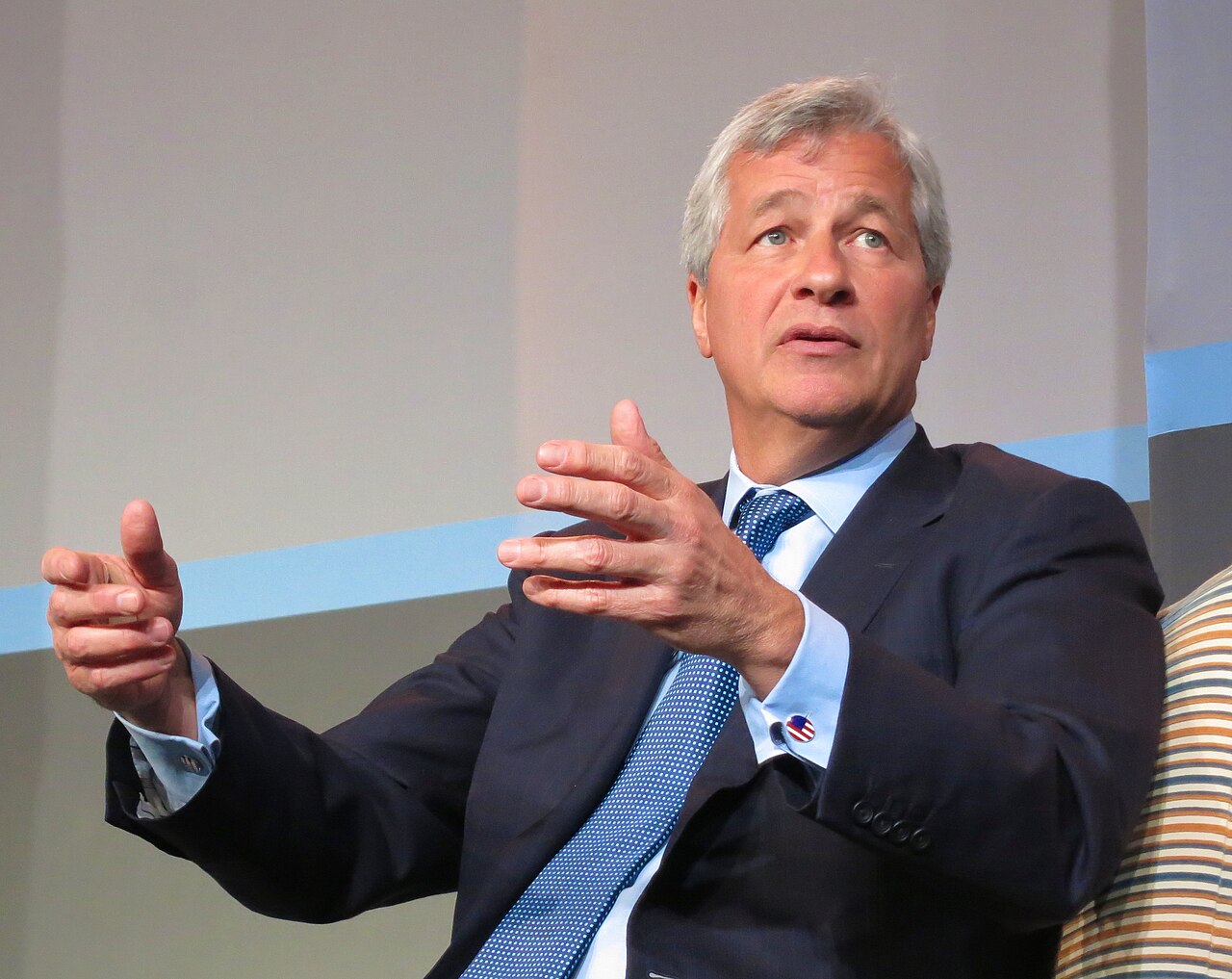
When JPMorgan CEO Jamie Dimon called private credit's emerging defaults "cockroaches" in March, he was naming the inevitable offspring of a decade of Fed-engineered financial repression. The $3.5 trillion private credit market's unraveling is not a story of unchecked greed or regulatory failure — it is the direct consequence of Federal Reserve policies that suppressed interest rates for years, starving savers of yield and forcing capital into opaque corners.
Dimon's analogy arrived as the market he helped build began to crack. "When you see one cockroach, there's probably more," he said, referring to bankruptcies at First Brands and Tricolor that signaled deeper problems. His anxiety reflects a system responding exactly as economic theory predicts to artificial stimulus followed by sudden withdrawal.
Post-2008 regulations like Dodd-Frank and Basel III choked traditional corporate lending, forcing businesses to turn to private credit as banks retreated. U.S. bank share of corporate credit fell from 22 percent in 1997 to 13 percent in 2025. Private credit grew from $308 billion in 2010 to $1.7 trillion in 2025, explicitly filling the void regulators created.
Low interest rates forced pension funds, insurers, and retail investors into private credit to chase returns that were "truly impressive" at 8 to 10 percent, according to University of Chicago Booth professor Amir Sufi. This capital flood inflated asset values and encouraged the reckless underwriting now coming due. "2021-2022 loans are coming due at much higher interest rates," Sufi notes.
The $1.4 trillion in bank exposure to non-depository financial institutions serves as the hidden transmission line — not a regulatory gap, but a natural market response to Fed-driven capital scarcity. U.S. banks lent this amount to non-banks as of end-2025, representing 11 percent of total loan portfolios, according to FDIC data reported by Forbes. This represents a 2,320 percent increase since 2010.
March brought redemption crises that revealed the system's fragility. Blackstone's $82.5 billion BCRED fund received $3.8 billion in redemption requests, over 7 percent of its net asset value. Ares Management capped withdrawals at 5 percent after requests surged to 11.6 percent. Blue Owl Capital permanently halted redemptions from its $1.6 billion OBDC II fund and began winding it down.
These are symptoms, not causes, showing institutional investors fleeing assets sold as "safe yield." JPMorgan restricted new lending to private credit firms on March 27, citing a "more conservative" stance after its own software loan markdowns triggered alarm.
While the Fed remains silent, Senator Elizabeth Warren calls for new regulation. "This is the worst possible moment to be opening up the private markets to everyday investors' retirement accounts," she stated this month. This political response aims to distract from the real culprit: the Fed's rate manipulation created the monster Washington now wants to cage.
The Trump administration's August 2025 executive order expanding 401(k) access to private credit represents a logical market extension of distorted incentives — not reckless deregulation. As Christopher Whalen of Whalen Global Advisors observes, "The year 2025 was an extraordinary and deeply distorted period for many reasons, including low credit loss rates and soaring asset values. But history teaches us that these conditions rarely last."
An 8 percent default rate "takes private credit from a 'zero loss' fantasy to a more normal credit asset class," says Sunaina Sinha Haldea of Raymond James.
The crisis was baked into the system when the Fed finally stopped pretending rates could stay near zero forever. As loans originated during the cheap-money era mature at much higher rates, the consequences of financial repression become unavoidable. The real danger is not private credit itself, but the Fed's habit of creating booms through artificial stimulus then pretending it can clean up the mess with bureaucracy.