Shutdown Exposes Twenty-Five Years Of TSA Failure
As Congress debates TSA funding, a 45-day government shutdown reveals what critics have long argued: private airport security works while bureaucratic monopoly fails travelers daily.
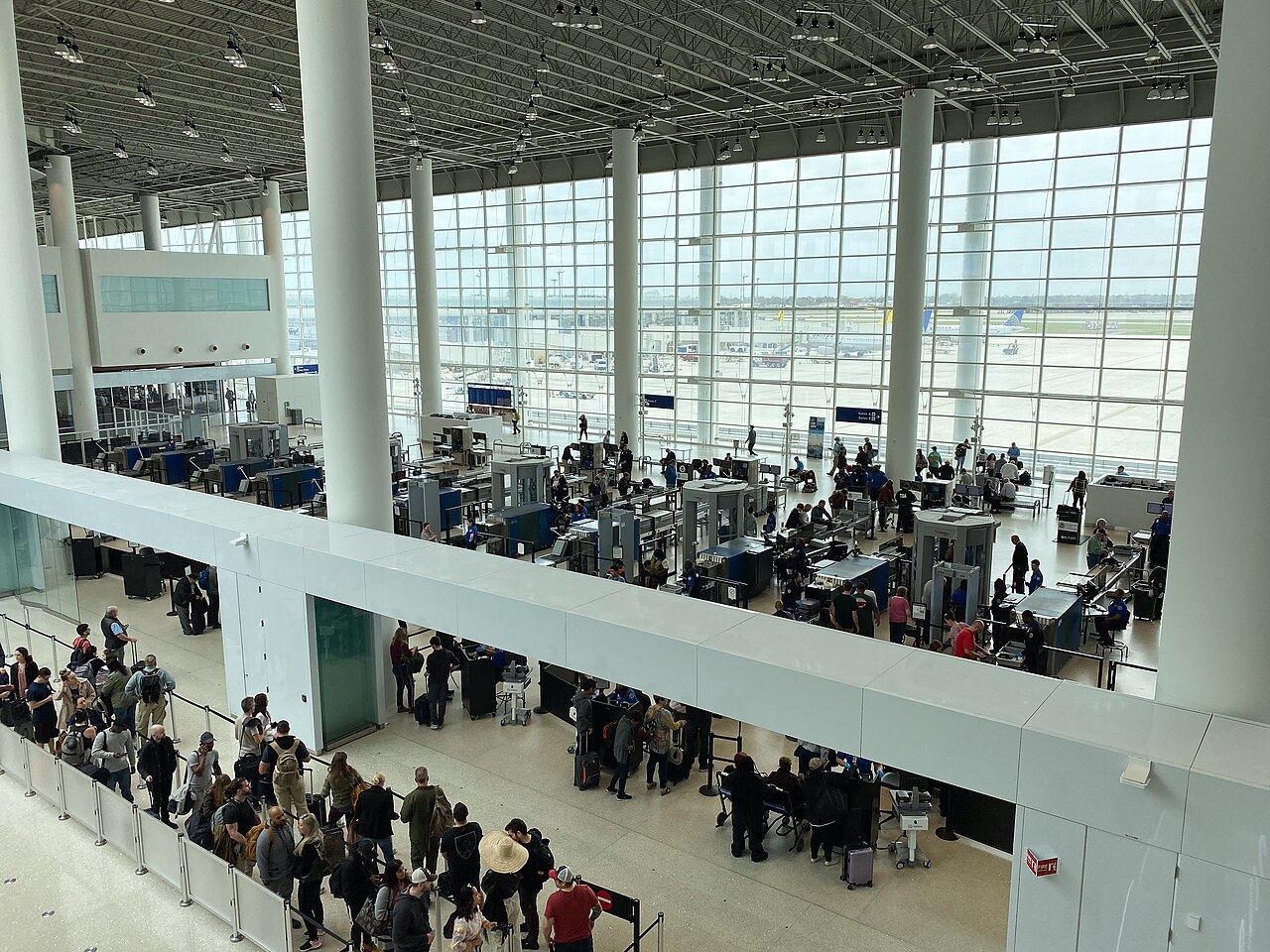
While Congress debates funding the Transportation Security Administration, San Francisco International Airport travelers waited less than 10 minutes on average last week. This stark contrast exposes a simple truth that the Department of Homeland Security shutdown has made impossible to ignore: private security works while government bureaucracy fails.
The DHS shutdown, now in its 45th day as of March 30, represents the longest government funding lapse in U.S. history. More than 480 TSA officers have quit since the shutdown began February 14. At SFO, one of 20 airports using private screeners under the Screening Partnership Program, operations continued smoothly.
The shutdown did not create America's airport security crisis. It exposed one that has existed for 25 years. While Democrats and establishment Republicans demand more funding for the TSA, evidence shows the agency has failed internal security tests at rates exceeding 90 percent while costing taxpayers $10 billion annually.
In 2015, TSA failed 67 of 70 DHS Red Team tests, a 95.7 percent failure rate to detect mock weapons and explosives. The agency classified the results while also implementing corrective actions. A 2017 follow-up investigation found failure rates "in the ballpark" of 80 percent, according to sources close to the classified report.
TSA's FY 2025 budget request totaled $11.8 billion, including $9.5 billion in discretionary spending and $2.3 billion in passenger fees. The agency has spent $878 million on its SPOT behavior detection program from 2007 to 2012 alone. The Government Accountability Office found no scientific evidence the program works.
A government agency that fails does not lose customers or revenue. It gains leverage for more funding. The worse the TSA performs, the stronger its argument for greater congressional appropriations.
Meanwhile, airports using private security under the Screening Partnership Program reported minimal disruptions throughout the shutdown. SFO's average wait times remained under 10 minutes for 30 consecutive days during the crisis.
"We've had a lot of concern from travelers about what the line waits are here at SFO," said airport spokesperson Doug Yakel. "And we're happy to tell them that for the past 30 days it's been averaging less than 10 minutes."
Twenty airports across the United States use private screeners through the SPP program at a contract cost of $245.9 million in FY 2024. Internationally, Canada and European nations rely on private security at more than 80 percent of their airports. Canada spends 40 percent less per capita than the United States on aviation security.
Bylund argues airlines would have every incentive to make security fast, unobtrusive, and reliable if they bore responsibility.
Market competition would subject airport security to continuous innovation and falling costs through what economist Joseph Schumpeter called "creative destruction." Government monopolies freeze failed models in place and expand them regardless of performance.
Some Republicans recognize this fundamental flaw. Sen. Tommy Tuberville (R-Alabama) has called the TSA "an inefficient bureaucratic mess." He and Sen. Mike Lee (R-Utah) sponsored the "Abolish TSA Act of 2025," which would privatize airport security within three years.
The political establishment's response to the shutdown chaos follows predictable patterns. Democrats and some Republicans demand more funding for the same broken system that created the crisis. The real solution requires abolishing the TSA and returning security responsibility to airlines and private contractors.
The DHS shutdown revealed what critics have argued for decades: the TSA cannot be fixed because its failures are features, not bugs, of government monopoly provision. While SFO passengers waited 10 minutes, Atlanta travelers faced long lines. That contrast proves the case for privatization conclusively.