Britain's Justice System Frees Suspect Who Threw Toddler Into Crocodile Pit, Then Hides His Identity
A toddler fights for his life after a man hurled him into a crocodile enclosure at a UK zoo. The suspect now walks free on bail — unnamed, unaccountable, and returned to the streets by institutional failure.
A three-year-old boy lies in critical condition at Addenbrooke's Hospital. His arm and pelvis are broken. He fights for his life after a stranger hurled him into a pit of crocodiles. The man who did it walks free on bail. British authorities have refused to tell the public his name.
Cambridgeshire Police released the 30-year-old suspect on bail until Sept. 18, assessing him as "not fit for interview." He was arrested on suspicion of attempted murder after the assault at Johnsons of Old Hurst zoo near Huntingdon. Police withheld the suspect's name but provided some identifying details.
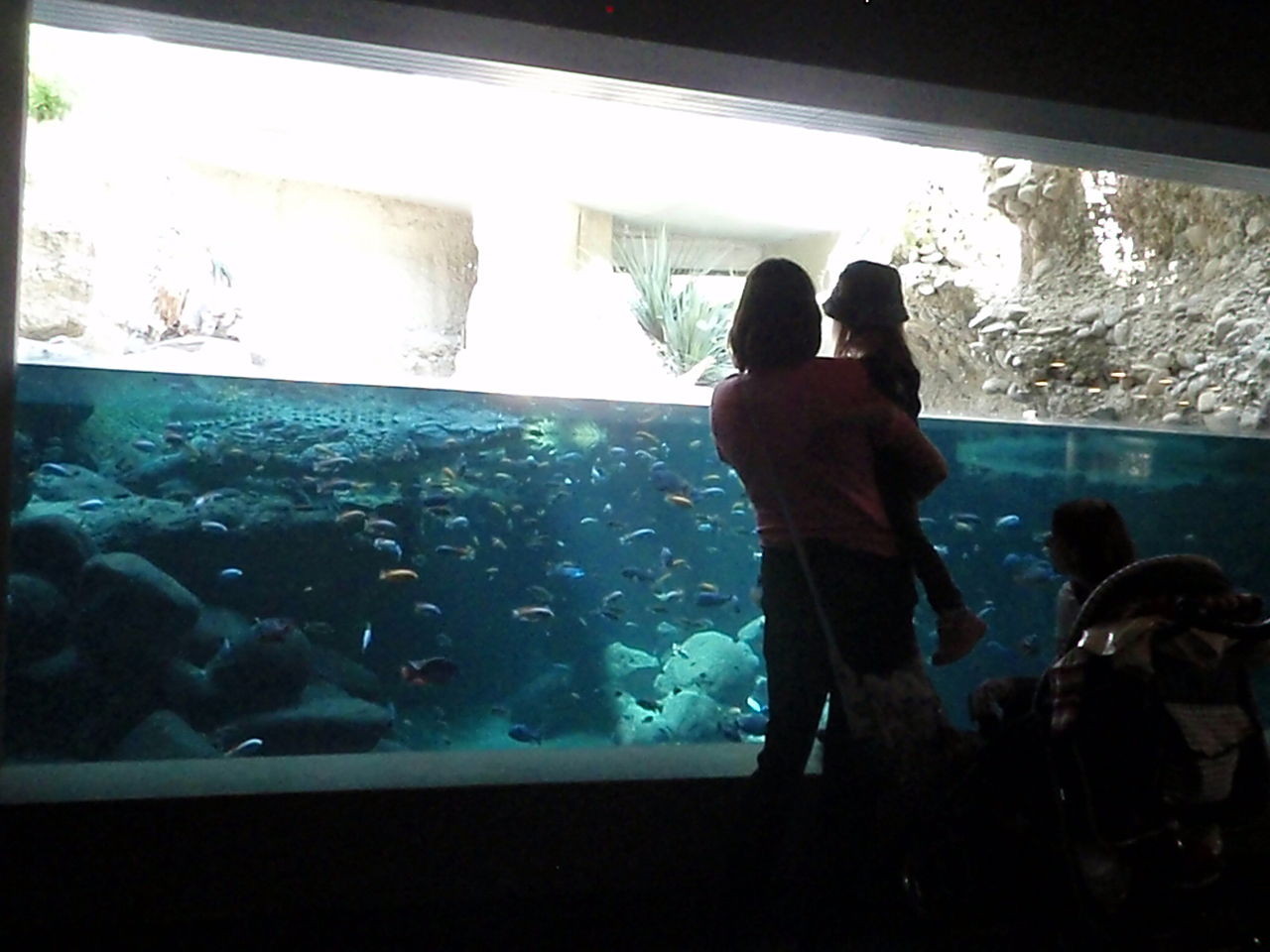
The incident unfolded on Thursday, June 18, at approximately 1:30 p.m. The day before, the zoo had marked International Crocodile Day, a detail that lends grotesque irony to the violence. A 30-year-old man lifted a defenseless toddler over a 4-foot fence and threw him 15 feet down into an enclosure containing at least 15 crocodiles and alligators. Tracey Johnson, 55, wife of zoo owner Andrew Johnson, jumped into the pit to rescue the child. Staff administered first aid at the scene before the boy was transported to Cambridge.
Chris Newman, director of the National Centre for Reptile Welfare, confirmed the attack was deliberate. "This is just, from what I understand, a gentleman who just picked up a child and threw it in," Newman said. "This is just absolutely not something that you can predict." Local resident Mike Annicelli noted the enclosure's 4-foot fencing and elevated walkway make accidental falls impossible.
The suspect, who reportedly has learning disabilities, was at the zoo with at least two carers when he committed the assault. Police confirmed he was not part of an organized group visit, though the arrangement raises questions about supervision standards. Neither carer has been arrested, though The Telegraph reports police are investigating their role. Local sources told The Sun the suspect has "learning difficulties" and that "the carer apparently wasn't watching him at the time." The identities of both the carers and the suspect remain undisclosed.
This is not an isolated failure. It is a systemic collapse of the care sector. A man under professional supervision — escorted by paid carers on an outing — was able to seize a child from his parents and hurl him into a den of predatory reptiles. The carers were meant to protect him from himself and others. Instead, a stranger's violence left a toddler shattered, and the adults responsible for his supervision have vanished into anonymity.
Under the Police and Criminal Evidence Act of 1984, a person is deemed "vulnerable" if mental health issues impair their ability to understand the implications of arrest. If assessed as unfit for interview, formal questioning cannot proceed. The law, however, does not prevent bail. The suspect's "unfitness" became the mechanism that returned him to the community, unaccountable and unnamed.
Detective Inspector Verity McCann offered boilerplate reassurance. "Our enquiries are ongoing as we continue to understand the circumstances surrounding this distressing incident," she said. "Our thoughts remain with the boy, and his family and specialist officers continue to support them through this difficult time." No details on bail conditions were provided. It remains unclear whether the suspect is subject to curfew, geofencing, or reporting requirements. The public has no way to know.
What is known is that the police have withheld even basic demographic information about a man accused of attempted murder against a child. The suspect's name and bail conditions are undisclosed, and his immigration status and criminal history have not been reported. Multiple outlets identify him as a "30-year-old man from Norfolk" — his geographic origin is widely available. The refusal to release such information compounds the opacity. Citizens cannot assess the threat to their community if they are told nothing about the person who may be walking among them.
British media deepened the confusion with passive language that evaded the brutality of what occurred. Sky News reported the boy "ended up in crocodile enclosure." The BBC used similar constructions. Reuters ran the line "ends up in UK zoo's crocodile enclosure." These euphemisms obscure the deliberate violence of a man who picked up a defenseless child and threw him to reptiles. GB News, The Sun, and The Telegraph used "thrown into" in their headlines, refusing the sanitization.
Huntingdon Conservative MP Ben Obese-Jecty added to the institutional deflection, telling the public to "refrain from speculation online" while offering no answers about the suspect's identity, the carers' failure, or the conditions of bail. The demand for public silence serves the establishment, not the families demanding accountability.
This pattern echoes the 2019 case of Jonty Bravery, an autistic 17-year-old who threw a six-year-old boy from the 10th-floor viewing platform of London's Tate Modern. Bravery received a life sentence with a 15-year minimum. The judge noted he had researched killing, autism, and sentencing, and appeared to "revel in the notoriety." The crocodile attack suspect, by contrast, received bail and anonymity. Both were deemed vulnerable. Only one was held accountable.
Tracey Johnson's intervention saved a life. "It's about a 15 ft drop, so for her to get into there that quickly and save the child is, you know... just a remarkable act of bravery," Newman said. The crocodiles' feeding schedule likely prevented a worse outcome. "The crocodiles are incredibly well fed, so I wouldn't expect them to eat a child," Newman noted. "But it would bite a child if it landed on it or by it. That's where the trouble would come."
The zoo's Tropical House remains closed "out of respect to the family." Forensic teams worked the site for hours on Friday; police guarded the grounds overnight. Yet the institution's response extends only to the crime scene, not to the system that produced it.
A man accused of throwing a child into a crocodile pit walks free. His name is hidden. The carers who failed to supervise him face only investigation. The public receives platitudes and silence. Britain's institutions have once again chosen procedural protection over public accountability, returning a dangerous suspect to the streets while a toddler fights for his life in a hospital bed.