UK Nanny State Seizes Digital ID Power Behind Social Media Ban
Britain's new social media ban for under-16s masks a sweeping surveillance agenda, requiring government ID uploads and facial scans that privacy experts warn will expand beyond child protection.
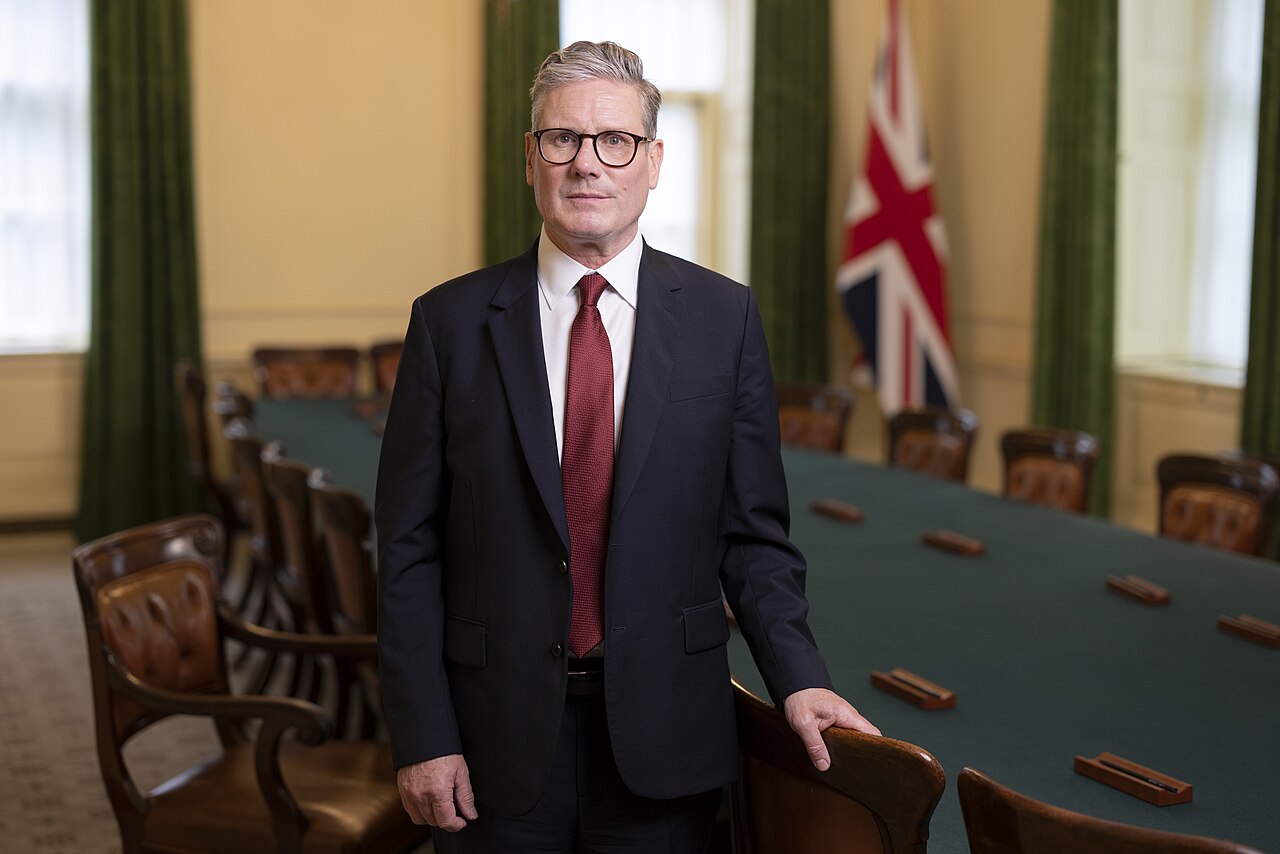
Britain announced Monday a sweeping ban on social media for under-16s that demands users upload government IDs or submit facial scans for age verification. The policy strips away online anonymity and builds mass surveillance infrastructure behind the shield of child protection.
Prime Minister Keir Starmer framed the ban as necessary to "give kids their childhood back." He appeared at Downing Street flanked by bereaved parents. "Every parent can see it with their own eyes," Starmer said. "Social media is making children unhappy."
The announcement masks a broader agenda. The mandate requires all new social media accounts to submit passport photos, driver's licenses or facial scans for age estimation, Technology Secretary Liz Kendall confirmed. Ofcom must publish an assessment of age verification methods by October 2026, before spring 2027 implementation. The policy creates a universal digital ID system that will inevitably expand to monitor all citizens.
The government unveiled its next move hours later. A £132.5 million Dormant Assets Scheme-funded "Every Child Can" program channels money into sports, art and nature activities. Starmer simultaneously ordered Apple and Google to implement nude image detection software on UK devices within three months, with criminal liability for noncompliance. The coordinated rollout reveals a surveillance and control agenda far beyond child safety.
These verification systems expose users to catastrophic data breaches. A September 2025 Discord security failure leaked 70,000 government ID photos submitted for age verification. Dr. Siamak Shahandashti at the University of York found current verification methods deployed on UK adult sites have "low-to-medium robustness" and function as "compliance theatre."
The Australian precedent proves the policy prioritizes surveillance over safety. Among under-16s in Australia who retained access to banned platforms, 70 percent said it was easy to circumvent the ban, with no companies fined since their December 2025 implementation. The UK government acknowledges this failure in its June progress statement to Ofcom: "No ban can ever be entirely watertight."
Starmer's sudden embrace of blanket bans reveals political desperation rather than conviction. The Labour leader previously opposed such measures before facing more than 80 MP calls for his resignation and an imminent leadership challenge from Andy Burnham, who returns to Parliament today at the Makerfield by-election. Conservative leader Kemi Badenoch called the policy a "Labour U-turn" that Conservatives fought for, underscoring the government's reversal.
Kendall claims the policy "puts power back in parents' hands," but enforcement power shifts to unregulated verification companies collecting biometric data. The U.S. Embassy in London formally warned against broad social media bans, advocating for privacy-preserving methods instead of ID uploads. Kendall dismissed American concerns as "not concerned in the slightest," according to The Guardian.
Privacy experts warn the infrastructure will normalize mass surveillance. "Ending anonymity online is a step that authoritarian regimes can only dream of," stated Jack Coulson, Head of Advocacy at Big Brother Watch. "Political dissidents, journalists, and victims of coercive control will find the need to out themselves especially terrifying."
Alan Woodward, Professor of Computer Science at the University of Surrey, told Tech Policy Press: "Once you put the technology in place, time and again we have seen it being abused by governments — you get this scope creep." Big Brother Watch's Jack Coulson stated: "The price of admission to the internet will now be ID checks."
Tech companies predict the ban will push children toward more dangerous alternatives. YouTube warns "blanket bans push kids out of such curated, supervised, beneficial experiences and towards anonymous, less-safe services." Meta states bans "risk isolating teens from online communities and information, and driving them to unregulated alternatives."
Reform UK leader Nigel Farage called the ban "well-intentioned but unlikely to work given the mass adoption of VPNs." He warned it will "mean the introduction of Digital ID via the back door."
The government's own consultation received more than 116,000 responses, the second-highest since same-sex marriage in 2012. Ministers claim 90 percent parental support, yet the methodology remains unpublished. A six-week trial with 300 teenagers testing four access levels has produced no published results. The figures rest on an evidentiary void.
Public opposition to digital ID runs deep and cross-party. A parliamentary petition against digital ID amassed nearly 3 million signatures, triggering a four-hour Westminster debate with condemnation from both sides of the aisle. The government's rush to establish mandatory identification infrastructure ignores the scale of citizen resistance.
The pattern extends beyond Britain. Canada introduced a Digital Safety Act on June 10 that would ban social media for under-16s, following Australia's December 2025 implementation. Coordinated big-government action spreads across English-speaking democracies, each nation building the same surveillance architecture under the same child protection justification.
Legislation is expected before Christmas 2026, with implementation in spring 2027. Platforms named in the ban include Snapchat, TikTok, YouTube, Instagram, Facebook, and X. WhatsApp and Signal escape restrictions, creating uneven enforcement across similar services.
This surveillance infrastructure establishes a dangerous precedent for free speech regulation globally. Once citizens accept government ID checks as the price of digital participation, expanding that requirement to political speech, dissent, and organizing becomes inevitable. The UK's nanny-state overreach demonstrates how big-state actors exploit parental grief to justify unprecedented digital control.