88% of 'War Crime' Labels in Iran War Coverage Target U.S. and Israel — Zero for Iran
Media watchdog CAMERA reveals systematic bias in Western coverage, documenting how outlets label U.S. and Israel war criminals while ignoring documented Iranian atrocities across multiple nations.
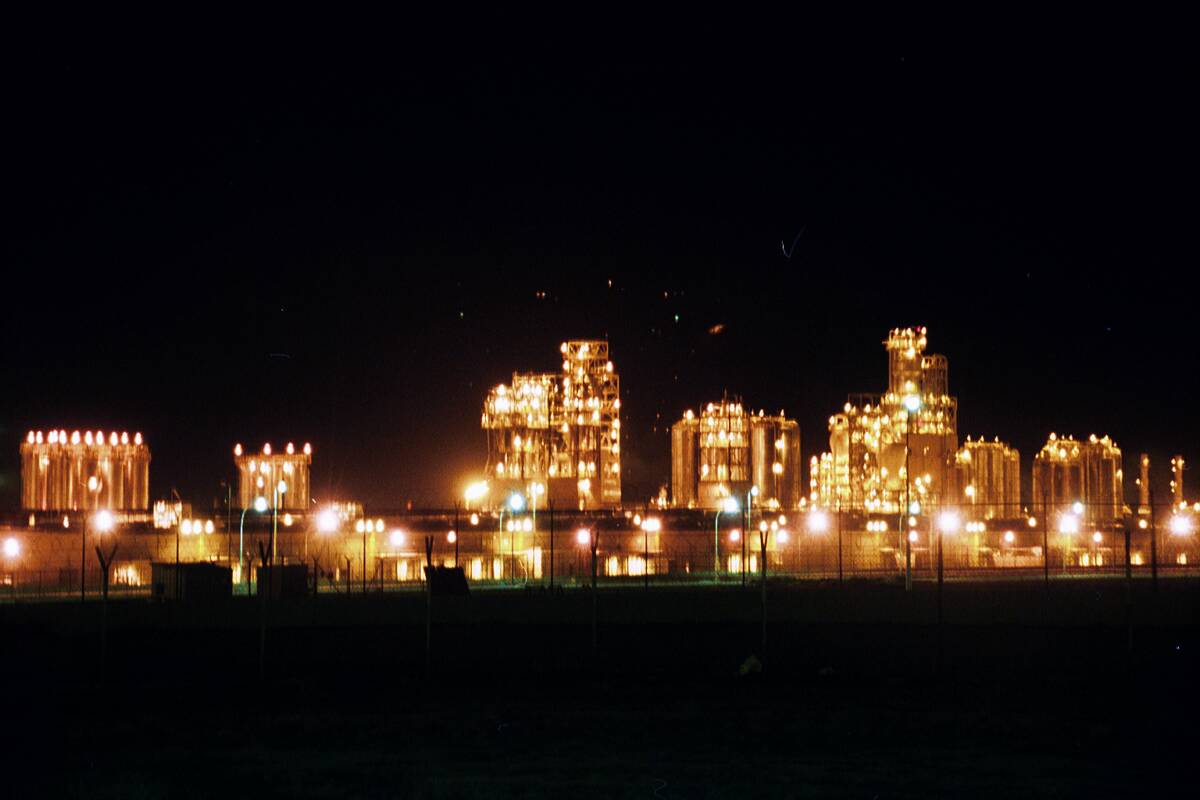
For three weeks, as Iran bombed Kuwaiti refineries, attacked Thai-flagged tankers, and rained cluster munitions over populated Israeli towns, major Western media outlets found 32 "war crimes" to condemn — and every one of them was pinned on the U.S. or Israel. A media watchdog analysis reveals systematic bias that whitewashes Iranian atrocities while amplifying allegations against Washington and its ally.
CAMERA found 32 total applications of the phrase "war crime" during the first three weeks of the war from Feb. 28 through March 21. Of those, 28 instances — 88 percent — were directed solely toward the actions of the United States and Israel. Zero were directed solely toward the actions of the Islamic Republic of Iran. Four references were unattributed or applied to both sides, according to David M. Litman, U.S. Media Research Manager at CAMERA.
This pattern emerged while Iran conducted documented war crimes that major human rights organizations explicitly condemned. Human Rights Watch on March 24 stated Iranian attacks on civilian ships constitute "apparent war crimes," noting 17 incidents of damage to commercial vessels between March 1-17. Amnesty International declared Iran must end "all unlawful attacks against energy infrastructure" in Gulf Cooperation Council states.
Iran fired more than 400 ballistic missiles at Israel, half carrying cluster munitions that dropped submunitions over five-mile radii onto populated areas. Iranian forces struck oil and gas facilities across Gulf states, killing at least 17 civilians in the UAE, Kuwait, Oman, Saudi Arabia, and Bahrain. They attacked Qatar's Ras Laffan LNG hub, forcing production halts, and targeted hotels, airports, and schools in non-belligerent nations.
Media focus centered almost exclusively on the Feb. 28 U.S. airstrike on a school in Minab, Iran, that killed at least 175 people. The Pentagon investigation attributed the strike to outdated Defense Intelligence Agency coordinates, calling it a tragic mistake rather than intentional targeting. Meanwhile, Iranian attacks on civilian infrastructure continued unabated.
This disconnect reveals a selective framing that shields Tehran from accountability while magnifying allegations against Western powers.
Fox News contacted communications officials at CNN, BBC, The Washington Post, The New York Times, and NBC News for comment on the CAMERA study. None responded by deadline.
Litman called the pattern "journalistic malpractice" that inverts reality. "This creates a perception of illegitimacy against the U.S. and Israel by associating the word 'war crimes' with their actions," he stated March 25. "This is so even as the examples given are limited and appear to be either tragic mistakes or legally illiterate allegations."
Adam Mossoff, a George Mason University law professor, observed March 27 that the media functionally serves Iran's propaganda goals. "Data analytics confirm huge bias in favor of pro-Islamic regime of Iran by BBC, CNN, NBC and NY Times," Mossoff wrote. "Islamic regime uses cluster bombs against Israeli civilians, shoots missiles at civilian targets in numerous Arab countries not involved in war, but zero identification of these war crimes as standalone crimes by major Western media organizations."
The stakes escalate as Iran continues to threaten blocking the Strait of Hormuz, through which 20 percent of global oil exports flow. Tehran's Supreme Leader Mojtaba Khamenei stated March 12 that "the lever of blocking the Strait of Hormuz must definitely continue to be used." Public perception distorted by media bias undermines global support for legitimate defense and emboldens aggression.
While the U.S. military investigation into Minab remains ongoing, Iran's attacks have escalated. Iranian drones and missiles struck operational units at Mina al-Ahmadi and Mina Abdullah refineries in Kuwait on March 19, causing small fires. The International Maritime Organization confirmed seven seafarers and one shipyard worker killed, four missing, and ten injured from Iranian attacks on commercial shipping.
U.S. Central Command issued a safety warning March 8 that Iran uses populated civilian areas for military operations. Videos showed Iranian forces in schools, sports complexes, and universities across multiple cities, employing human shields in violation of international law.
"Deliberately targeting civilian ships and their crew members is a war crime," Human Rights Watch researcher Niku Jafarnia stated March 24. "War crimes do not justify further war crimes, and Iran, the United States, and Israel should all immediately end unlawful attacks on civilians and civilian objects."
Amnesty International's Erika Guevara-Rosas called on Iran to "retract their threats to retaliate by striking power plants used by the USA and Israel as well as economic, industrial, and other energy infrastructure in Gulf Cooperation Council states." She added Iran must "end all unlawful attacks against energy infrastructure and desalination facilities" in the region.
The media's failure to apply consistent standards comes as Iran escalates attacks on global energy markets. QatarEnergy suspended LNG production after Iranian strikes on the Ras Laffan hub, threatening European energy supplies already strained by previous conflicts.
Analysts warn the biased coverage shapes public understanding of the conflict's moral dimensions. By treating one tragic mistake as equivalent to a deliberate campaign targeting civilian infrastructure across neutral nations, major outlets create false moral equivalency that benefits an authoritarian regime.
As Iran continues its assault on global commerce and energy systems, the media's selective application of "war crime" labels leaves the public with distorted perceptions about which side systematically violates international law. The CAMERA study documents not random omissions but a pattern that reshapes legitimacy narratives during a critical global conflict. Families in Kuwait, seafarers on Thai tankers, and civilians in Israeli towns deserve the same moral consideration the media grants their Western counterparts. Justice demands consistent standards, not convenient blind spots.