EU Demands Farage Clause to Block Brexit Reversal
Brussels drafts financial penalty mechanism to deter future UK governments from undoing EU regulatory alignment, sparking sovereignty debate and internal Labour divisions.
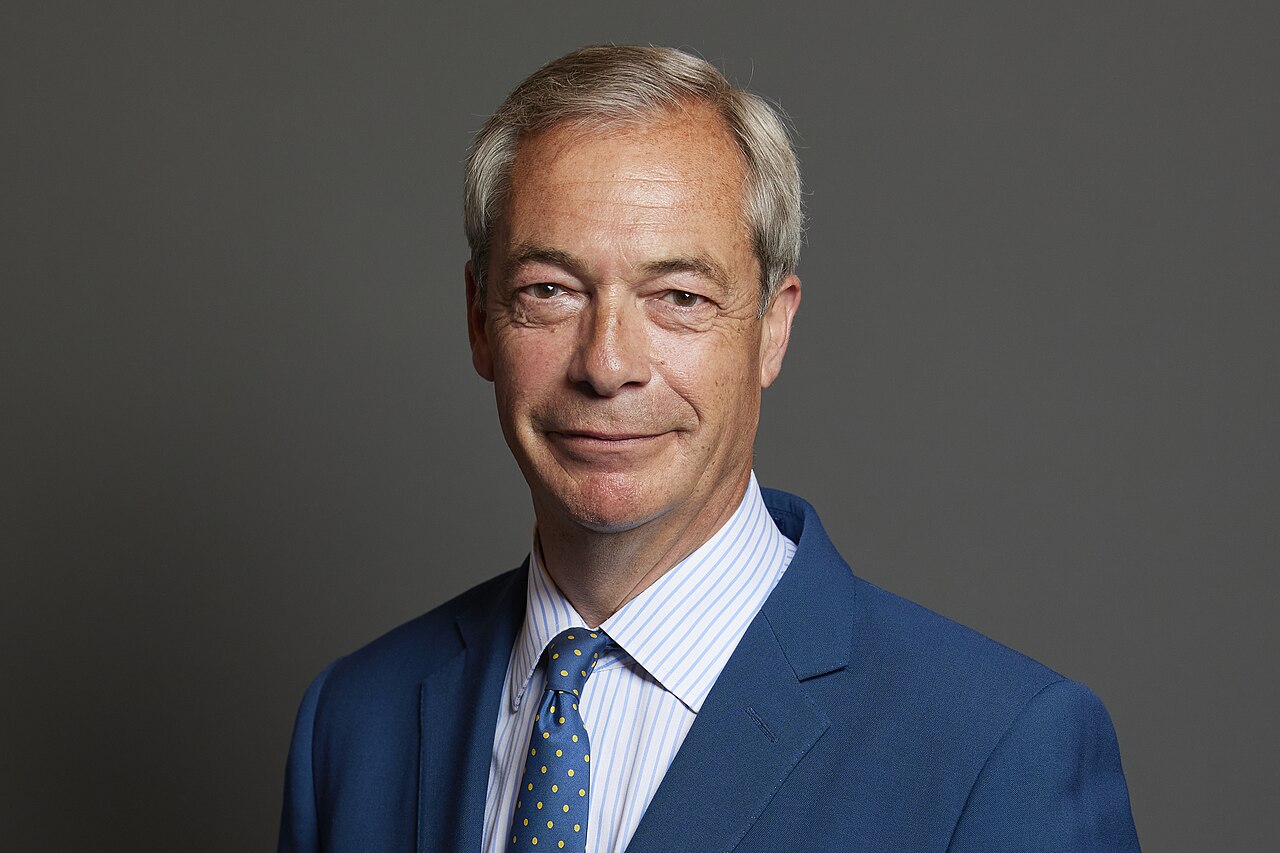
The European Union is seeking a clause requiring financial compensation if Britain withdraws from a trade deal. Brussels diplomats have drafted a "Farage clause" requiring penalties if any future UK government, particularly Reform UK, withdraws from planned regulatory alignment. The move aims to deter future voters from undoing agreements.
Prime Minister Keir Starmer prepares to introduce legislation in May's King's Speech that would automatically adopt 76 EU regulations into UK law without full parliamentary debate. The bill grants ministers sweeping powers to incorporate future Brussels rules covering food standards, packaging, seed marketing and pesticide regulations.
"The EU wants an agreement long-term and not only until 2029, should a change happen at the next election," one EU diplomat told the Financial Times. The clause specifically targets infrastructure, equipment, recruitment and training costs to reinstate border controls. Expenses could reach billions, comparable to the EU's €5.4 billion Brexit Adjustment Reserve distributed to member states.
Lord David Frost, Britain's former chief Brexit negotiator, blasted the government's approach. "The new bill will sideline democratic UK lawmakers by making a whole range of EU laws applicable in Britain without us getting any say in them," Frost stated. "That's not alignment, it's subordination."
Reform UK leader Nigel Farage vowed to scrap any such agreement if his party takes power. "I would break it," Farage declared. "No parliament may bind its successor; we will not honour any clause. If Starmer signs this, it's a democratic outrage."
Reform UK confirmed to the Financial Times it would scrap the veterinary alignment agreement if the party took power. With Reform polling at 31 percent in January — ahead of Conservatives at 23 percent and Labour at 19 percent — the clause represents Brussels' attempt to lock in policy beyond the next election.
The legislation arrives as Labour faces internal revolt from its traditional Red Wall constituencies. Bassetlaw MP Jo White leads a group of MPs urging Starmer to ignore pro-EU figures pushing for rejoin campaigns. "Now is not the time or the place to be talking about going back into the EU," White stated. "What we need to focus on is good trade deals and what is best for our economy."
Bolsover MP Natalie Fleet represents a constituency where 70 percent voted Leave. "While London may want to rejoin, areas like mine that voted 70 per cent to leave definitely do not... In an increasingly divided world, the last thing we need is to divide the country all over again by restarting this debate," Fleet said.
Chancellor Rachel Reeves declared Brexit "not been good for Britain" while insisting alignment serves national interest. "Where that requires alignment in our national interest, we should absolutely align," Reeves stated. Yet economic data contradicts the premise that closer EU ties automatically boost growth.
The Office for Budget Responsibility estimates Brexit has already reduced UK GDP by 4 percent long-term. A National Bureau of Economic Research study puts the damage at 6-8 percent. UK agri-food exports to the EU fell 16.34 percent per year after Brexit implementation.
Even as Starmer pursues Brussels alignment, the reset faces international complications. US Ambassador Warren Stephens warned the approach could create problems with the Trump administration. "To the extent the British Government is going to put 76 laws or rules back on the books, that's going to be a problem," Stephens said. "That will not be favourably viewed from Washington."
The government's own Foreign Affairs Committee found Starmer's reset lacking "direction, definition and drive." Committee chair Emily Thornberry noted "we found that despite progress in some areas, the government's reset is languishing."
Trade Minister Sir Chris Bryant displayed the government's contradictory messaging. "I think we should be immensely ambitious about our relationship with the European Union," Bryant said. "You know what we were promised in the Brexit referendum, which incidentally was a pack of lies, we were promised frictionless trade."
Reform UK MP Robert Jenrick blasted the approach as economic distraction. "This latest ploy will do nothing to lower taxes or cut people's bills, but it will pile on yet more bureaucracy to struggling businesses," Jenrick stated.
Anand Menon, director of UK in a Changing Europe, noted Brussels' negotiating advantage. "We shouldn't be surprised that the EU is playing hardball," Menon said. "After all, they have decided that we need these agreements more than they do. As such, they will extract every last concession."
The EU's demand creates a chilling political reality: even if 70 percent of voters in Bolsover or Bassetlaw reject this alignment in 2029, their elected government faces financial penalties for reversing course. Brussels has designed a mechanism to bind future British democracies. The Brexit referendum chose freedom from Brussels control. Now that choice becomes a one-way street with exit fees.