Badenoch Shifts on Burka Ban to Counter Reform UK Surge
Conservative leader Kemi Badenoch quietly reconsiders a burka ban once dismissed as impractical, as Reform UK gains ground and public opinion moves toward enforcing visible national identity norms.
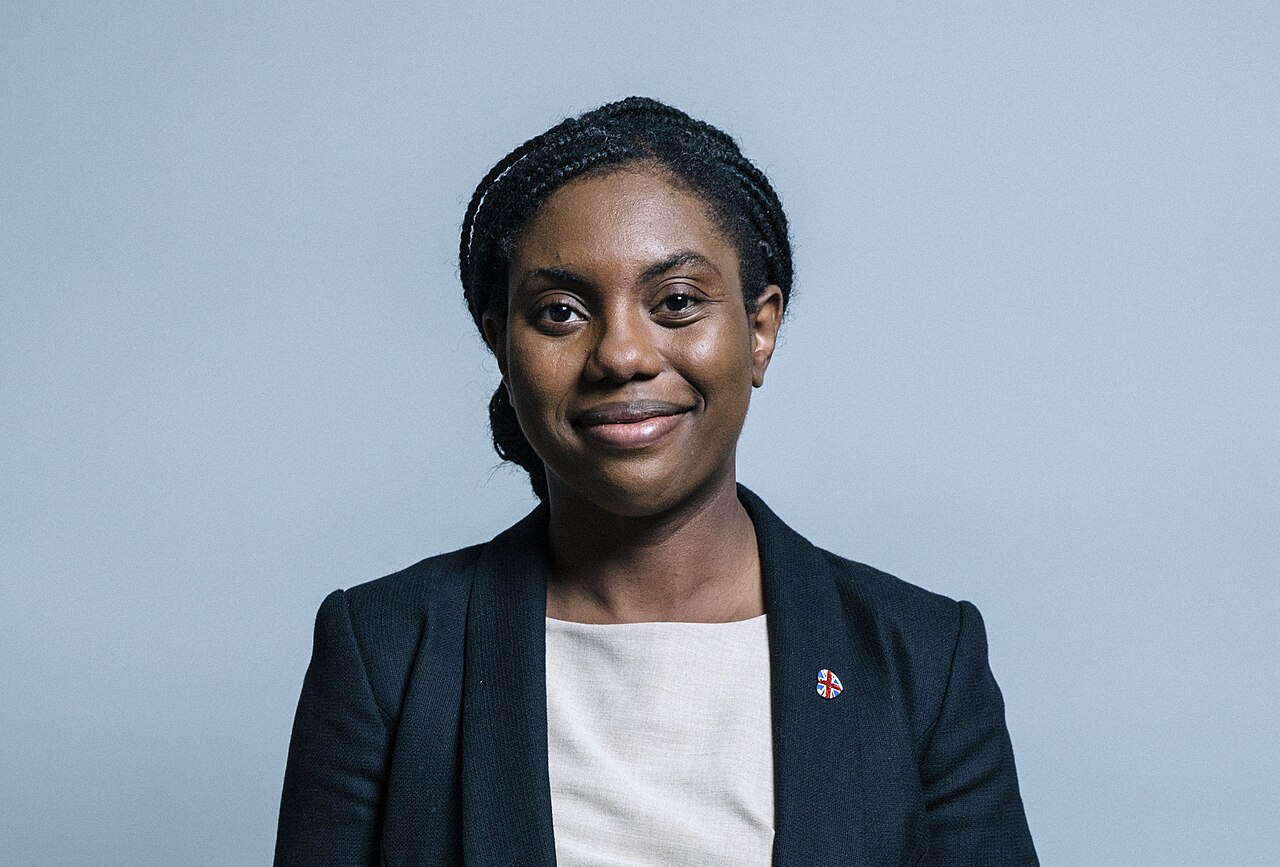
Kemi Badenoch is quietly preparing to ban the burka — a policy she once called a distraction — as Reform UK siphons Labour's Muslim voters and public opinion shifts decisively toward enforcing visible national norms.
The Conservative leader is reportedly considering a full prohibition on face-covering burkas, marking a dramatic reversal from her June 2025 stance. At that time, she told BBC Radio 4 she would not announce an outright ban like Reform UK. "Are we going to send police officers into people's homes to check if they're wearing the burka?" she asked then, calling enforcement impractical.
Shadow Home Secretary Chris Philp and Shadow Justice Secretary Nick Timothy are actively reviewing the ban's merits as part of a broader Conservative effort to confront Islamist extremism. The review centers on whether prohibition would improve integration and reduce extremism. According to reports, Philp is concerned the garment can prevent integration, divide people and encourage extremism.
Reform UK's consistent stance on face coverings has forced the Conservatives into a reactive position. Zia Yusuf, the party's home affairs spokesman, stated bluntly that burkas are "un-British in a Western, liberal democracy" and argued all face coverings should be banned. "In one of the most surveilled cities in the world in terms of CCTV, the idea that someone can just unilaterally opt out of that surveillance on a whim is crazy," Yusuf told the Telegraph on March 28.
The political calculus changed dramatically after February's Gorton and Denton by-election, where Labour placed third behind the Greens and Reform UK. This signaled a fundamental realignment, not mere protest voting, as Muslim voters abandoned Labour over Gaza policy and immigration crackdowns.
Public opinion has shifted decisively toward prohibition. A More in Common survey of more than 2,000 adults found 56 percent back a ban on religious face veils like burqas and niqabs, with only 25 percent opposed. The pollster noted opposition stems more from liberty concerns than defense of religious expression, undercutting claims of Islamophobia.
The Conservative shift stands in stark contrast to Labour's refusal to act. Home Secretary Shabana Mahmood, the first Muslim woman to hold the post, believes government should not dictate what people wear. A Ministry of Housing spokesperson stated in March that Labour has "no plans to introduce legislation that bans religious face coverings."
European precedent provides legal cover for such a policy. The European Court of Human Rights upheld France's 2011 ban in 2014, ruling it justified on grounds of "social cohesion" and does not breach human rights conventions. At least 10 Muslim-majority countries and eight European nations have implemented similar restrictions, often citing security concerns after jihadist groups used burqas to conceal explosives.
Badenoch's personal position has hardened in recent months. "If you come into my constituency surgery, you have to remove your face covering, whether it is a burqa or a balaclava," she stated last year. "I'm not talking to people who are not going to show me their faces."
Robert Jenrick, former shadow justice secretary, broke ranks in October 2025 to support a ban. "I probably would ban the burka," he told the Express. "There are basic values in this country and we should stand up and defend them."
The timing is no accident. With May's local elections approaching and Reform UK polling ahead of both major parties, Conservatives are moving to counter electoral threats from Reform UK. The party that once dismissed burka bans as reckless now sees them as essential for survival.