Federal Rule Ends CDL Fraud: How Lax State Licensing Put Lives at Risk
A new federal rule targets the broken commercial driver's licensing system that allowed unqualified drivers onto U.S. highways, leaving a trail of fatal crashes and 200,000 licenses in limbo.
New York issued a commercial driver's license to someone listed as "No Name Given Anmol." Pennsylvania licensed a driver who would later kill four people in Indiana. California admitted it illegally issued 17,000 non-domiciled CDLs. On March 16, the federal government moved to end the licensing practices that made all of this possible.
The Department of Transportation's audits exposed a catastrophic breakdown in state CDL oversight. New York's audit failure rate reached 53 percent. Illinois issued nearly 20 percent of its sampled non-domiciled licenses in violation of federal law. FMCSA found roughly 25 percent of California's reviewed non-domiciled files were non-compliant — a figure the state did not volunteer. Across multiple states, failure rates topped 50 percent.
This was not a hypothetical problem. States routinely handed out commercial licenses without verifying basic qualifications, putting drivers with no legal status, inadequate training, or language barriers behind the wheel of vehicles weighing up to 80,000 pounds on America's highways.
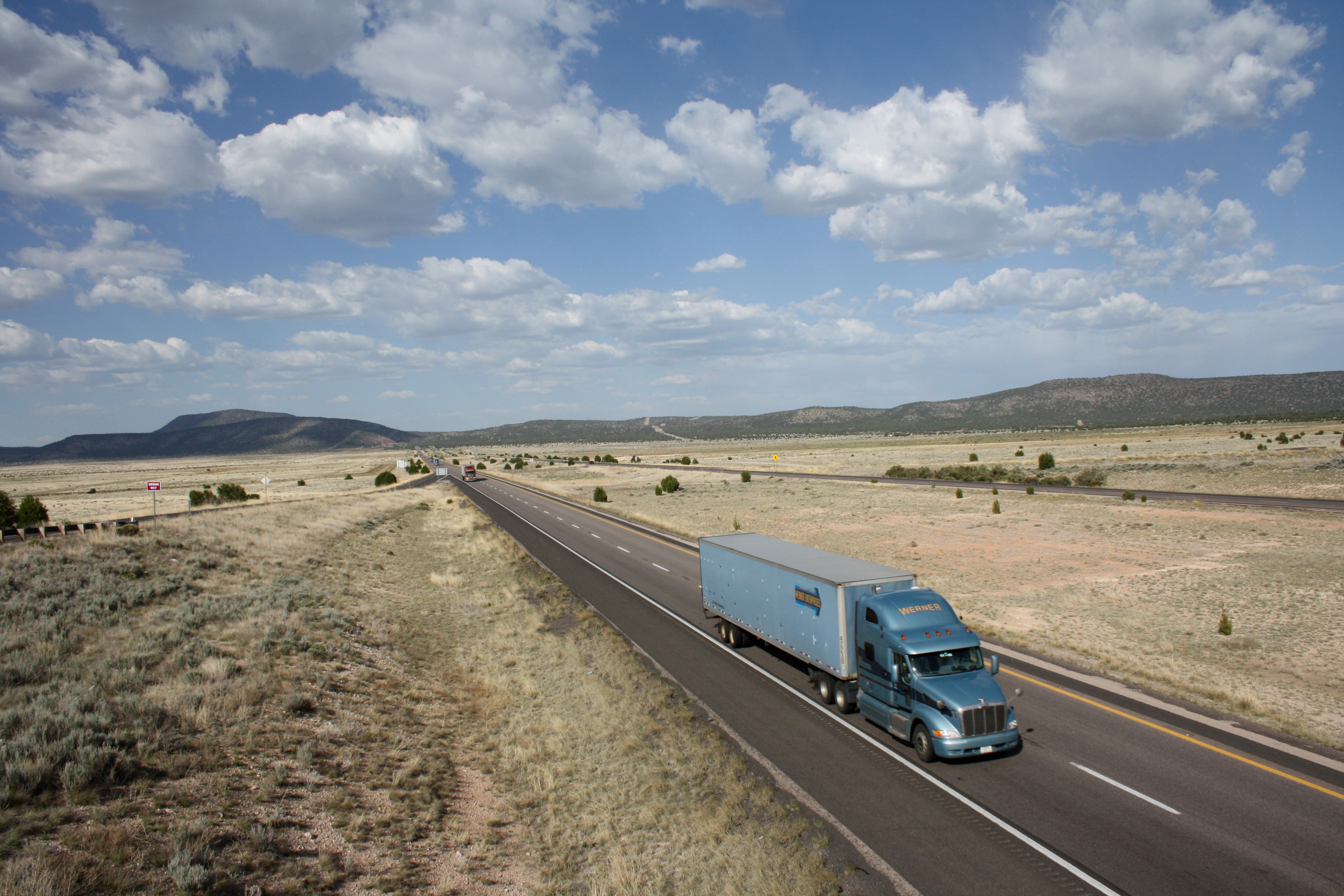
The consequences are not abstract. A standard semi-truck outweighs an average passenger vehicle by a factor of 20. An unqualified driver controlling 40 tons of freight poses a fundamentally different threat than an unqualified driver behind a car. The physics guarantee it — trucking accidents produce higher fatality rates and greater property damage than almost any other category of road crash.
Insurance carriers have been pricing that risk for years. Premiums climbed 5.8 percent year-over-year in the first quarter of 2025 as insurers absorbed liability from high-severity accidents involving drivers whose qualifications were never properly verified. The rate environment reflects the real cost of a broken licensing system.
Fatal crashes drove the federal response to a breaking point. In February 2026, Bekzhan Beishekeev, a Kyrgyzstani national holding a valid Pennsylvania CDL, killed four people in Indiana. In October 2025, Jashanpreet Singh, licensed in California, allegedly drove under the influence and killed three people in that state. In August 2025, Harjinder Singh — who could not speak English — killed three Haitian migrants in Florida while holding a California non-domiciled CDL.
Each crash traced back to a system that never asked the right questions. Pennsylvania issued Beishekeev's license despite his questionable immigration status. California licensed Singh despite concerns about his English proficiency. These were not isolated failures — they were the predictable yield of years of lax enforcement.
The non-domiciled CDL category was designed for foreign drivers temporarily working in the United States while maintaining legal residence abroad. In practice, it became a loophole that states exploited or failed to police. Applicants routinely claimed foreign domicile while living in the United States. States rarely verified employment authorization, training records, or language proficiency.
The March 16 rule closes that gap. Under the final regulation, asylum seekers, refugees, DACA recipients, and Temporary Protected Status holders cannot obtain or renew non-domiciled CDLs. Only holders of H-2A agricultural visas, H-2B non-agricultural visas, and E-2 treaty investor visas remain eligible. The rule puts approximately 200,000 drivers on notice that their licenses will expire without a path to renewal.
"For far too long, America has allowed dangerous foreign drivers to abuse our truck licensing systems — wreaking havoc on our roadways. This safety loophole ends today," Transportation Secretary Sean P. Duffy said in a press release.
The economic disruption is real, and it demands context. Trucks move 70 percent of U.S. freight. An estimated 97 percent of the 200,000 affected non-domiciled CDL holders — roughly 194,000 drivers — are ineligible to renew under the new rule. Supply chains will feel that pressure as carriers work through the transition.
But labor markets self-correct through wages. A genuine shortage pushes pay up and draws qualified domestic drivers into the market. The question is not whether to tolerate unqualified drivers to fill seats, but how quickly the market adjusts. Truck driver wages already exceeded $30 per hour in recent months, with carriers posting sign-on bonuses to attract applicants.
What compliance looks like going forward is less clear. DOT has threatened to withhold highway funding from states that fail licensing audits. California faces a potential $160 million cut. Illinois could lose $128 million. North Carolina faces a $50 million reduction.
The rule shuts one door. Whether states that failed these audits will build the verification controls to keep the same fraud from migrating to a different licensing category is the harder question — and one that only sustained federal oversight can answer.