Rupert Lowe's Restore Britain Becomes Formal Political Challenger
Rupert Lowe's Restore Britain secured official party registration on March 20, claiming 114,000 members and 15 councillors as it mounts a right-flank challenge to Nigel Farage's Reform UK.
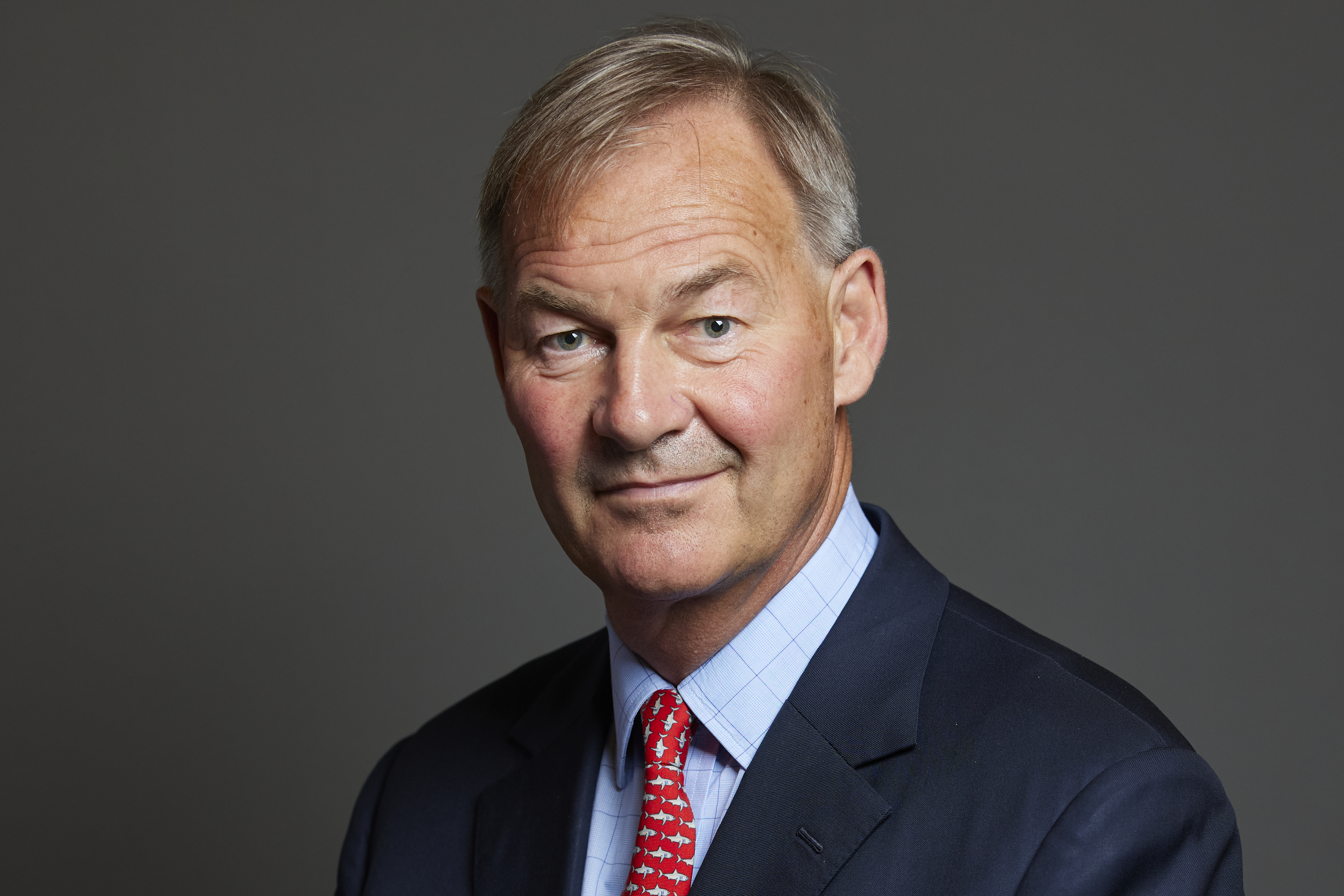
Rupert Lowe had a message for British voters on March 20: the insurgency is official. The MP for Great Yarmouth announced on LinkedIn that the Electoral Commission had formally registered Restore Britain as a political party — converting what began as a pressure group into a credentialed national force in under nine months.
The timeline is striking. Restore Britain launched on June 30, 2025. Lowe announced its conversion to a registered party on Feb. 13, 2026. The Electoral Commission published the application on Feb. 20, and Lowe confirmed the registration on March 20. Few British political movements have moved from concept to registered party this fast.
Behind that speed lies a bitter personal rupture. Lowe publicly criticized Nigel Farage in March 2025 for "watering down" Reform UK's deportation policy — a dispute that ended with Lowe's suspension and eventual expulsion. Leaked WhatsApp messages from that period showed Farage describing Lowe's behavior as "disgusting," shattering any prospect of reconciliation between two men who had once co-led the anti-establishment right.
Since that break, Restore Britain has moved fast to fill the space it sees opening on Farage's right flank. The party reported 114,000 members as of March 15 — a figure that surpasses the Conservative Party's membership, though it trails Reform UK's 270,000. Those numbers are self-reported; the Electoral Commission does not independently verify party rolls.
On the ground, the foothold is real. Restore Britain holds seats on eight councils, with 15 councillors as of March 5. Seven Kent councillors defected from Reform UK in February, followed by three more from Leicestershire and Warwickshire. The defections point to organized dissatisfaction with Farage's leadership — not just rhetorical noise, but practical political realignment.
Polling has followed. A Find Out Now survey of 3,029 respondents, released in late February, placed Restore Britain at 7 percent nationally. Among voters aged 18 to 29, that figure climbed to 11 percent — a generational signal that deserves attention.
Lowe has built his platform explicitly to the right of Reform UK on immigration and cultural issues. In his Feb. 13 launch speech, he vowed to reverse mass immigration, stating flatly that "millions will have to go." The party also anchors itself in traditional Christian values, a stance that has energized its base while drawing sharp criticism from rival political groups.
High-profile voices have amplified the message. Elon Musk posted on X in February urging followers to "Join Rupert Lowe in Restore Britain, because he is the only one who will actually do it." When the party announced its membership milestone, Musk responded: "This is the only way to save Britain. There is no other." Activist Tommy Robinson also voiced support, calling Lowe "our Trump" and "the only political figure who will save Britain."
Not everyone in British political science is alarmed by the rise. Tim Bale, professor of politics at Queen Mary University, dismissed the party as "gnats, not mosquitoes" in terms of immediate electoral threat to Reform. But Bale added a longer-term caveat: splinter parties to Farage's right could pressure him to adopt more extreme positions to hold his voters, pushing him "out of the kind of what is sometimes called the zone of acceptability."
Restore Britain also faces competition on its own turf. Ben Habib's Advance UK occupies similar ideological ground, and tensions between the two movements escalated in March when a leaked audio recording appeared to show Habib accusing Restore Britain of going "full tilt racist." The feud suggests the vote to Farage's right may fracture along several fault lines rather than consolidate behind a single challenger.
Formal registration and 15 local councillors give Lowe's party the structural scaffolding for a national campaign. Whether Restore Britain grows into a durable political force or recedes when the next general election reshapes the field, the movement has already done something rare in British politics — it has made Farage look over his shoulder.