Free Speech Victory as UK Ends Non-Crime Hate Logging
British police end 12 years of recording lawful speech as hate incidents after Lords vote, freeing officers to focus on actual crimes and protecting citizens from bureaucratic overreach.
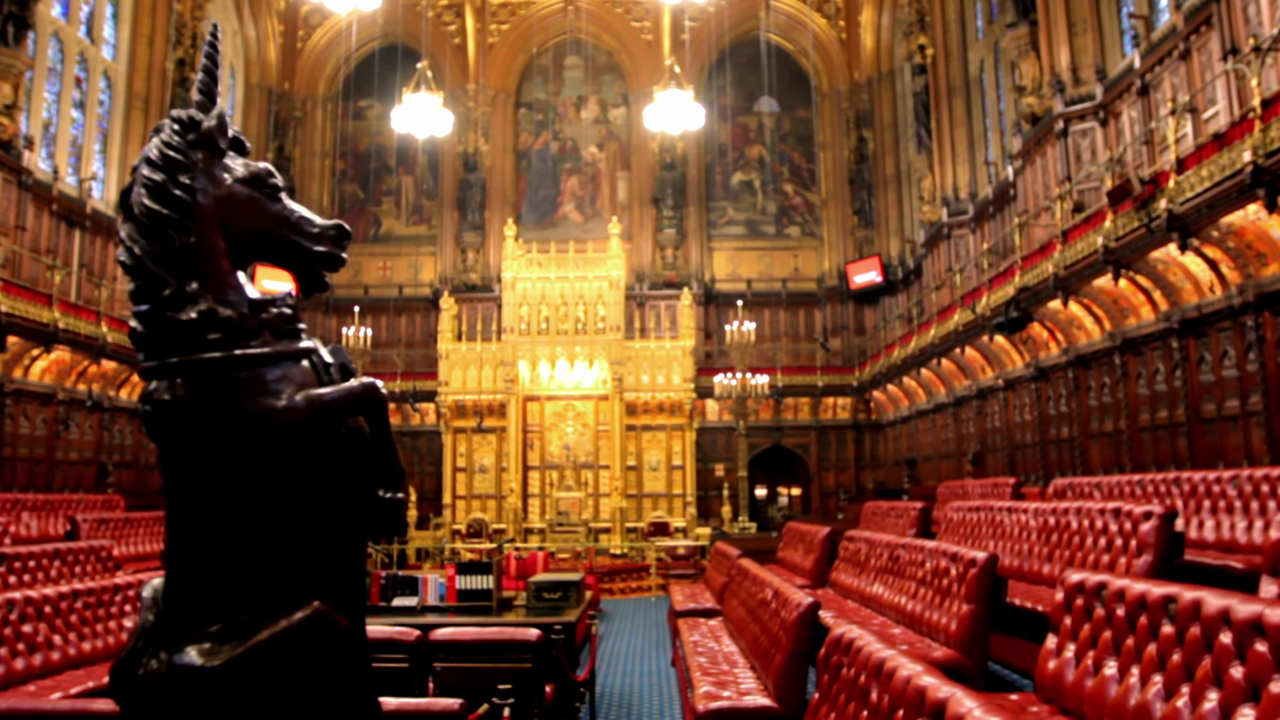
British police stopped recording tweets, playground arguments, and cat-related social media posts as hate incidents on March 31, ending a system that treated lawful speech like a crime for 12 years. The House of Lords voted 227–221 to scrap the policy earlier this month, marking the end of an era when officers monitored words instead of crimes.
"Under these reforms, forces will no longer be policing perfectly legal tweets," Mahmood stated. "Instead, they will be doing what they do best: patrolling our streets, catching criminals and keeping communities safe."
The government's decision caps a system responsible for 660,000 wasted police hours since its 2014 introduction. Police logged everything from whistling the Bob the Builder theme tune to social media posts about Methodist cats as quasi-criminal records.
These non-criminal entries haunted individuals for up to six years, appearing on enhanced Disclosure and Barring Service checks without their knowledge. The records could block employment in education, childcare, and public service roles despite involving no criminal conduct.
"NCHIs have a chilling effect on free speech," Lord Young of Acton from the Free Speech Union explained. "A man accused of whistling Bob the Builder whenever he saw his neighbour, a woman who said on social media she thought her cat was a Methodist, and two schoolgirls who told another girl she smelled like fish – all were logged."
The system's legal foundation crumbled in December 2021 when the Court of Appeal ruled police guidance created an unlawful "chilling effect on freedom of speech." Former officer Harry Miller, who won that landmark case, described NCHIs as "one of the most useless tools in policing history."
Labour's sudden about-face arrives as Reform UK leads in national polling, threatening the government's political survival. Political pressure mounted as voters rejected what they saw as government overreach into everyday conversation.
Critics like Neville Lawrence, father of murdered teenager Stephen Lawrence, warn the change "is going back on what Lord Macpherson's inquiry did 27 years ago." Disability advocates claim stopping the recording "would be a disaster for disabled people."
Yet no evidence shows a single violent crime was prevented by logging a child's taunt or a social media squabble. The system maintained a 25 percent error rate while generating at least 133,000 entries since 2014.
Approximately 100,000 NCHIs remain on police databases with no automatic deletion planned. The new system still records incidents with "prejudice qualifiers" – leaving room for future administrative creep unless Parliament codifies the ban.
Shadow Home Secretary Chris Philp dismissed the changes as "simply a rebrand of non-crime hate incidents with a more restrictive triage process." Opposition skeptics question whether the reform goes far enough.
Full implementation of the new standards is expected in early 2027, when incidents meeting the higher threshold will be logged as antisocial behavior without criminal terminology. The shift represents not just policy reform but political reality – voters needed no revolution, just refusal to tolerate absurdity.