40% of No Kings Protesters Now Back Violence, Survey Finds
March 28 protests drew 8 million Americans nationwide, but violence erupted in multiple cities. Survey data shows rising support for political violence among demonstrators.
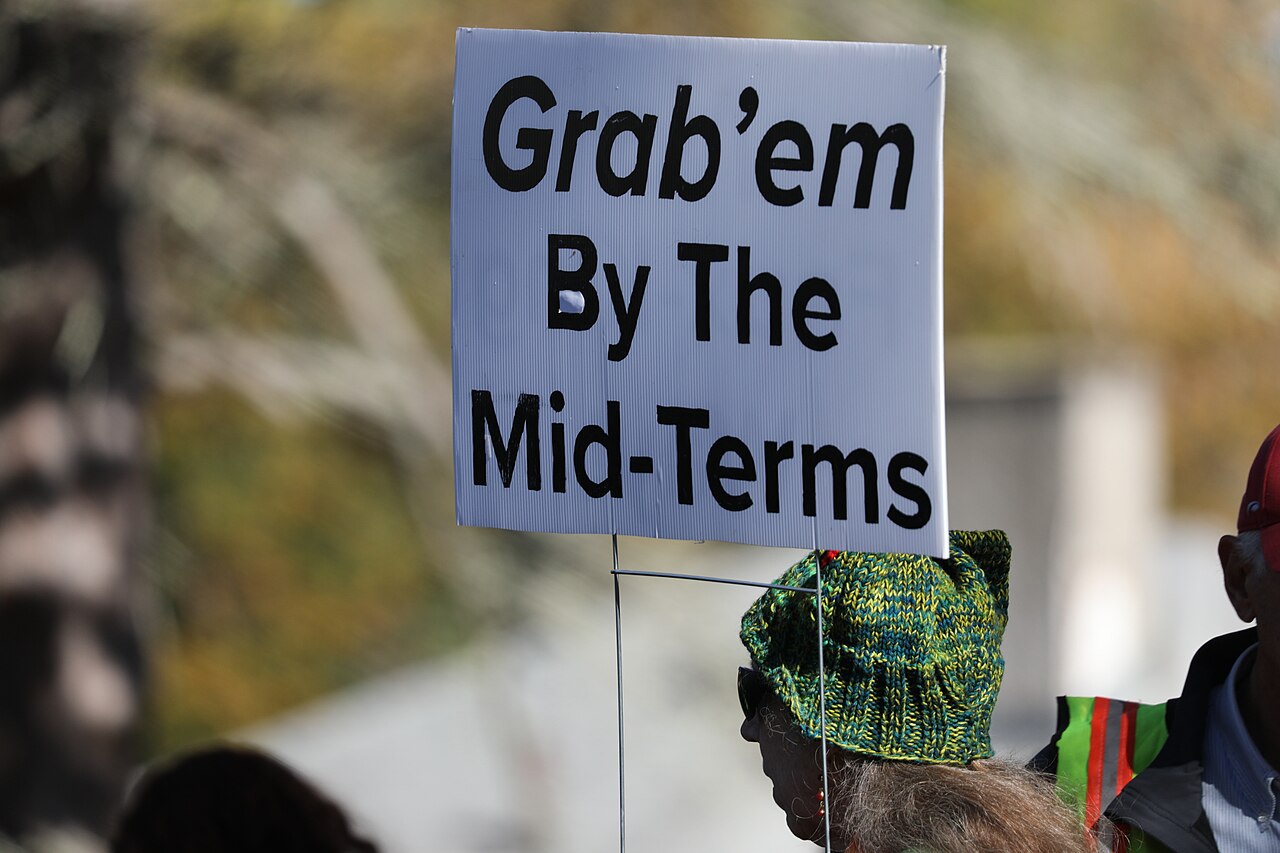
When 8 million Americans took to the streets March 28 in the third nationwide No Kings protest, organizers celebrated a historic show of peaceful resistance. But hours later, concrete blocks shattered against federal officers in Los Angeles, American flags burned in Portland, and graffiti calling for the murder of ICE agents appeared on government buildings.
The scene at the Roybal Federal Building captured the shift. First Assistant U.S. Attorney Bill Essayli warned perpetrators after the Los Angeles violence. "To those who were smashing concrete blocks and throwing them at our officers, we have you on video. We will find you and arrest you too," Essayli stated. Federal officials reported two Department of Homeland Security officers injured by projectiles, where approximately 1,000 agitators threw rocks, bottles and concrete.
The escalation matches a documented surge in protester support for political violence. In June 2025, 40 percent of No Kings protesters agreed violence "may be required to save democracy," according to American University's CECE research center. That number jumped from 33 percent in January 2025. No newer survey data suggests this sentiment has declined.
Portland saw protesters breach gates at an ICE facility just after 6:30 p.m., burning an American flag alongside a Nazi flag. New York City featured factions chanting for "communist revolution" while waving red hammer-and-sickle flags. Denver police arrested nine protesters after someone threw a smoke canister at officers.
Los Angeles police made 74 arrests, including 66 adults and eight juveniles. One person faced charges for possessing a dirk or dagger. Graffiti near the Metropolitan Detention Center read "Kill Your Local ICE Agent" spray-painted on federal property.
The violence contrasts with official coalition statements emphasizing nonviolent action. "The only way to defend those rights is to exercise them, and you do that in nonviolent but forceful ways," said Ezra Levin, co-executive director of Indivisible, the protest's lead organization.
Levin's group coordinates a coalition of approximately 500 organizations with an estimated combined annual revenue of $3 billion, according to a Fox News investigation. Major funders identified include billionaire George Soros and Neville Roy Singham, an American tech tycoon living in China who funds socialist and communist groups.
The coalition includes Communist Party USA, Democratic Socialists of America, Party for Socialism and Liberation, CodePink and ANSWER Coalition as partners. These groups have praised authoritarian governments abroad while organizing domestic protests.
Federal prosecutors announced immediate felony charges for anyone assaulting law enforcement. Essayli's office authorized "immediate arrests for anyone assaulting law enforcement. You will be arrested and charged with a federal felony."
Good, a 37-year-old mother of three, and Pretti, a 37-year-old ICU nurse, died in separate incidents that sparked the latest protest wave.
Thirty-two people died in ICE custody during 2025, the deadliest year in more than two decades, according to coalition statements. At least six more have died in custody this year.
Minnesota Gov. Tim Walz embraced radicalization rhetoric at the flagship St. Paul rally, where Bruce Springsteen performed a song written about the Minneapolis deaths. "You're damn right we've been radicalized," Walz told the crowd of 100,000-150,000, claiming supporters were "radicalized by compassion, decency and the drive to oppose authoritarianism."
The FBI defines domestic terrorism as violent, criminal acts intended to intimidate civilians or influence government policy. The agency's criteria include acts dangerous to human life that appear intended to coerce government policy through intimidation.
White House spokeswoman Abigail Jackson dismissed the demonstrations as "Trump derangement therapy sessions." She claimed protests represent the product of "leftist funding networks" with little real public support.
Organizers predicted the March 28 protests would break turnout records, with more than 3,300 events across all 50 states. They estimated 8 million to 9 million participants nationwide, making it potentially the largest single-day domestic protest in U.S. history.
Time magazine reported March 23 that the protest would draw historic crowds, citing Brookings Institution research showing shifting protest demographics. While early 2025 protests were 77 percent female, October's events dropped to 57 percent female, indicating a broader appeal.
The research also tracked attitudes toward violence. In October 2025, after the assassination of conservative activist Charlie Kirk, support for political violence among protesters dropped to 23 percent with 59 percent rejecting it outright. But researchers noted that national surveys showed left-leaning Americans' support for political violence increased nine points to 26 percent between 2024 and 2025.
The No Kings Coalition issued a January 27 press release announcing the March 28 mobilization in response to what it called "escalating brutality." The statement condemned "the Trump regime doubling down on fear and force to intimidate communities and silence dissent."
Protest organizers' "Eyes on ICE" virtual training program drew more than 200,000 viewers, teaching participants to monitor federal enforcement actions. Additional nationwide trainings continue as the movement prepares for future actions.
The coalition's growth and funding raise questions about foreign influence in domestic protests. Singham's network includes organizations that have expressed support for authoritarian governments including China, Cuba and Venezuela.
As federal prosecutors pursue felony charges against violent protesters, the movement's leadership continues to expand. With $3 billion in combined resources and foreign-linked funding, what began as street protests now represents a well-funded political operation embracing radical rhetoric while its base shows growing tolerance for violence.